


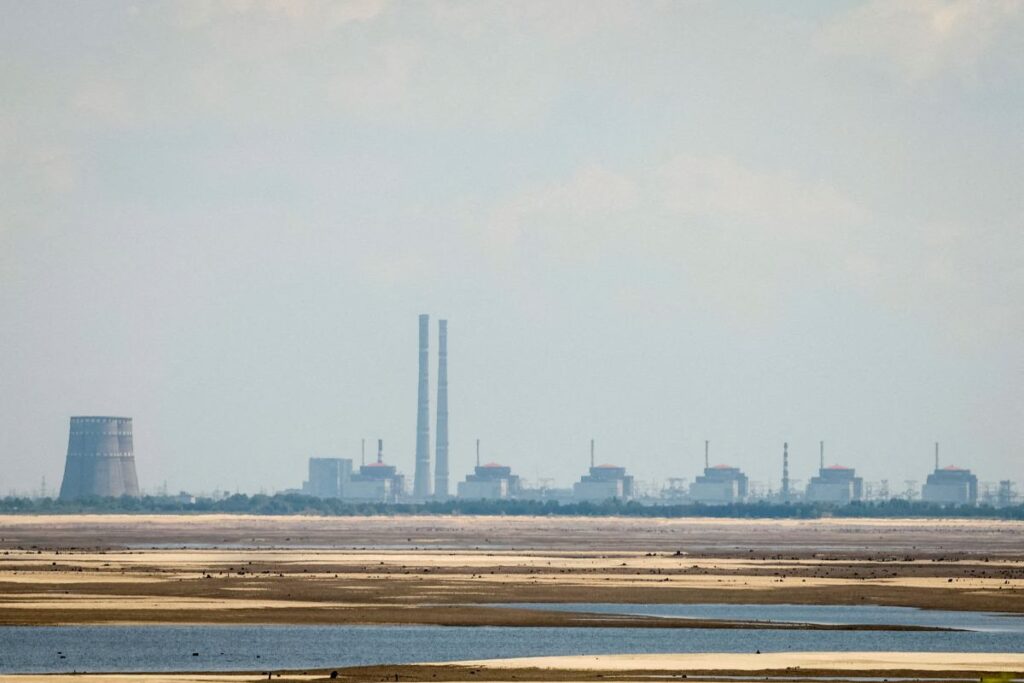
The Zaporizhzhia Nuclear Power Plant suffered a 12-hour total loss of communications on Wednesday, marking the longest outage since the Russian invasion began and sparking severe IAEA safety concerns.
A Dangerous Communications Silence
The Zaporizhzhia Nuclear Power Plant (ZNPP) was entirely cut off from the outside world for approximately 12 hours on Wednesday, with no landline or internet access. This outage stands as the longest of its kind since the start of the Russian invasion of Ukraine.
IAEA Director General Rafael Grossi confirmed that for a significant period, experts stationed at the plant were unable to establish contact with the outside world. Grossi emphasized in a Thursday statement that this incident was clearly deeply troubling from a nuclear safety perspective, as the plant could not communicate normally.
Military Activity and Power Vulnerabilities
While the exact cause of the failure remains undetermined, it coincided with reports of attacks on Enerhodar, the city housing the majority of the plant’s workforce. Over the past week, the city has been repeatedly disconnected from external power supplies due to hostilities, including the destruction of a plant vehicle and drone strikes on civilian infrastructure.
The plant is currently operating on only one 330 kV power line, down from ten lines prior to the conflict. Furthermore, deliveries of diesel fuel for emergency steam generators have been suspended due to the deteriorating security situation, though the ZNPP reports current stocks will last for over 10 days.
Stalled Diplomatic Efforts
The IAEA is negotiating with Ukraine and the Russian Federation for a local, temporary ceasefire to allow for the repair of the primary power line. This marks the sixth such mediation attempt since the end of last year, with repairs complicated by the location of damage on high pylons near the front line.
Although all six reactors were shut down in 2022, they continue to require active cooling. The facility, which is the largest of its kind in Europe, has remained under Russian control since the start of the full-scale invasion.
Broader Risks to Ukrainian Nuclear Infrastructure
On May 22, a military attack ignited a fire at the Dniprovska substation, forcing the South Ukraine Nuclear Power Plant to disconnect a power line. Grossi noted that incidents affecting critical electrical infrastructure are direct violations of the seven indispensable pillars of nuclear safety.
Meanwhile, the IAEA team stationed at the Chernobyl facility reported that a total of 20 drones were detected in the plant’s monitoring zone over the past week.