


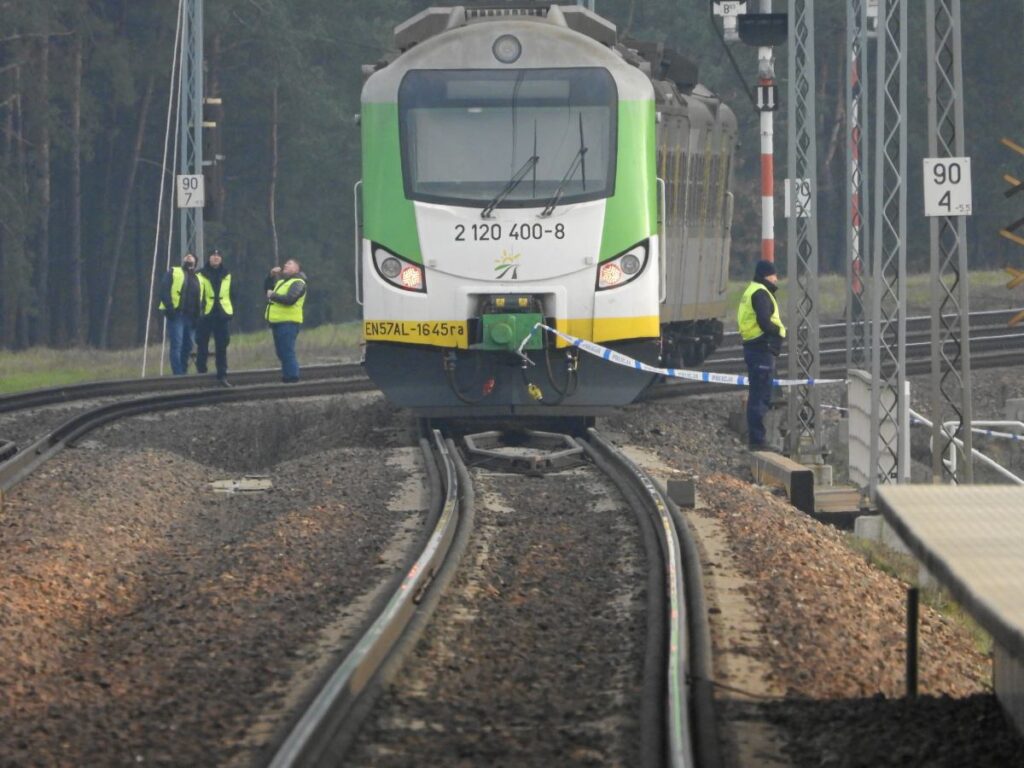
On 17 November, Poland’s Prime Minister Donald Tusk confirmed a rail sabotage at the Warsaw‑Lublin line near Mika, Mazovia, and expert Dr. Paulina Piasecka outlined the potential escalation and mitigation of such hybrid warfare acts.
Confirmed Sabotage on the Warsaw‑Lublin Line
Prime Minister Donald Tusk stated that on the Warsaw‑Lublin route, tracks were detonated in the village of Mika near Życzyna in the Garwoliński County of the Masovian Voivodeship.
The same line, in the Lublin Voivodeship, saw police in Puławy report broken glass, likely caused by a damaged traction line.
Expert Assessment: A Sad Yet Unexpected Hybrid Warfare Element
Dr. Paulina Piasecka, University of Civitas, described the incident as “a sad but unexpected element of hybrid warfare, of which Poland has long been a battlefield.”
She noted that years of disinformation and cyber‑attacks have already targeted the country.
Avoided Damage but Risk of Escalation
Piasecka highlighted that thanks to the rapid response of services and railway workers, “serious damage, casualties, or significant property loss were avoided.”
She cautioned that, at best, further incidents could continue, or, in the worst case, intensify, demanding more resources for critical infrastructure and national security.
Increasing Vigilance and Public Partnership
The expert suggested deepening cooperation with society, turning the public into partners for spotting potential threats and encouraging citizens to report suspicious activity.
Potential Private‑Sector Cooperation
She also proposed collaboration with the private sector to share technology, monitoring skills, or other support, helping counter the ongoing war aimed at people and civilian targets.