


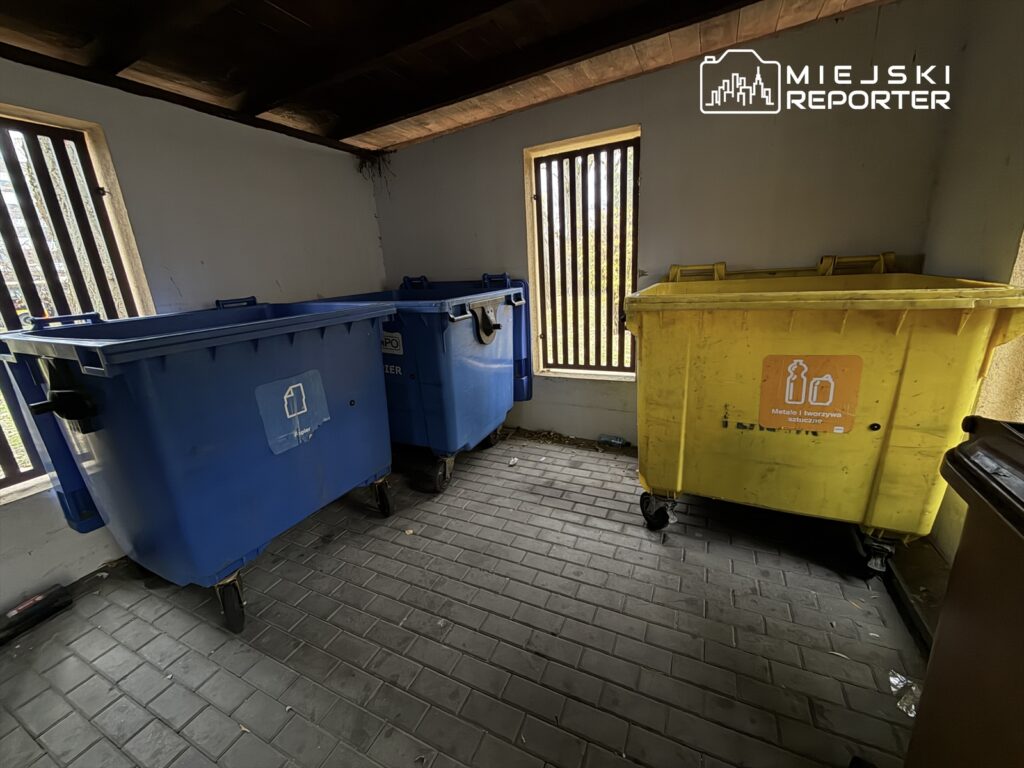
Pruszków and Piaseczno have raised their municipal waste fees, with Piaseczno’s new level the highest in the Masovian region, affecting households immediately from January 2026 and September 2025.
Pruszków’s Fee Increase Begins January 2026
Pruszków council raised the municipal waste fee from 34 to 38 PLN per person. A four‑pln rise translates to about 18 PLN more for a four‑person household, pushing monthly household costs above 150 PLN.
The hike also applies to households that do not segregate waste, which will pay 76 PLN per person, amounting to 304 PLN for a family of four.
Piaseczno Sets Highest Rate in Masovia
Starting 1 September 2025, Piaseczno’s basic fee rose to 47.50 PLN per person from 39.30 PLN. For a four‑person family, the monthly cost increased from 157.20 to 190 PLN.
The municipality also introduced a 95 PLN penalty for lack of selective collection and maintains partial exemptions for bio‑waste composting households and a 30 % discount for large families.
Drivers of the Hikes: Tender Costs and Fiscal Deficits
Both councils cite higher prices offered by waste‑collection firms in new tenders and rising disposal costs at regional facilities as reasons for the rate increases.
Pruszków’s 2026‑2027 contract will cost over 52.9 million PLN for collection and 3.1 million PLN for the selective collection point, while Piaseczno estimates that disposal expenses have more than quadrupled in recent years.
Comparison With Warsaw and Other Sub‑Warsaw Areas
Warsaw temporarily lowered its fees to 120 PLN for single‑family homes and 182 PLN for multi‑unit buildings after securing cheaper tender prices. These rates are still below the 38‑to‑47.50 PLN range of Pruszków and Piaseczno.
The new fees place both municipalities at the upper end of the regional spectrum of 35‑40 PLN per person, reflecting higher operating costs and a shift toward self‑sufficiency of waste‑management systems.
Household Impact and Future Outlook
A four‑person household in Pruszków will pay roughly 152 PLN monthly, whereas in Piaseczno the cost climbs to about 190 PLN. The increases aim to reduce the need for municipal subsidies but are expected to remain a burden for residents.
Municipalities argue that these adjustments are necessary to cover inflation‑driven fuel, energy costs, wage hikes, and regulatory fees.