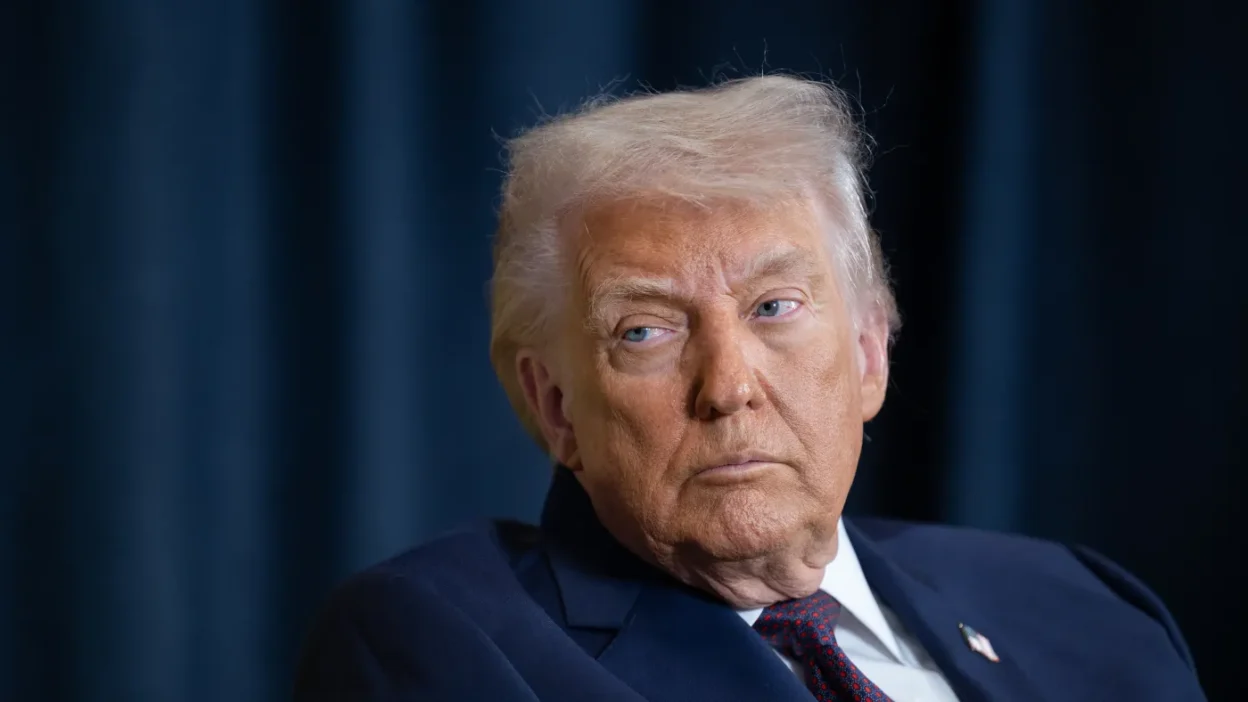
Donald Trump sharply criticized NATO allies and Japan, alleging insufficient commitment to securing the strategic Strait of Hormuz amid rising global tensions.
Strait of Hormuz and Global Energy Security
The Strait of Hormuz is a critical point in the global energy system, with approximately 20 percent of the world’s oil supply passing through it daily. Any disruption in this region immediately impacts commodity prices and market stability.
The situation has recently deteriorated, with Iran restricting the passage of ships linked to countries it considers hostile and conducting military activities targeting petrochemical infrastructure in the Persian Gulf. This is in response to earlier strikes by the US and Israel on Iranian nuclear-related facilities.
NATO, Japan, and Declarations of Support
In response to escalating tensions, five NATO nations – France, the United Kingdom, Germany, Italy, and the Netherlands – along with Japan, have announced their readiness to support efforts to ensure the security of navigation through the Strait of Hormuz. They emphasized the need to maintain freedom of maritime transport and protect civilian infrastructure.
These nations have not declared direct participation in military operations, a point of criticism from Washington.
Trump’s Harsh Words and US Pressure
Donald Trump expressed his disapproval of his allies’ stance, stating that actions to restore full passage through the waterway do not require significant military risk. He accused European partners of lacking courage and determination.
Previously, the US administration, including Ambassador to the UN Michael Waltz, appealed for international support for stabilization efforts in the region, emphasizing the global importance of securing the Strait of Hormuz.
Rising Oil Prices and Economic Consequences
Disruptions in the Strait of Hormuz have already triggered sharp market reactions, with oil prices rising significantly in a short period. Analysts warn of further increases if the situation is not quickly resolved.
Higher oil prices translate to increased costs for transportation, production, and energy, directly impacting consumer prices. Many countries are concerned about a return of inflationary pressures.
Disruptions to shipping also cause delivery delays, potentially affecting international industry and trade. Logistics companies are already signaling the need to change routes and increase operational costs.
Iran-US Conflict and Escalation Risk
The current situation is directly linked to the escalating conflict between Iran and the United States, and their allies. Attacks on nuclear and petrochemical facilities have led to retaliatory actions that have extended to key transport routes.
Iran has repeatedly threatened to close the Strait of Hormuz in response to international pressure, and current actions align with this strategy, albeit on a larger scale than in previous years.
Security analysts warn that further escalation could lead to a direct military confrontation on a wider scale, with serious consequences for the region and the world.