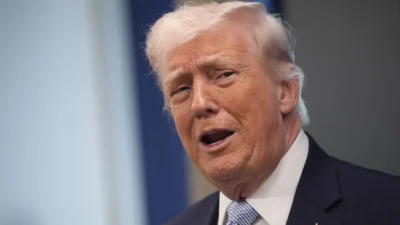
Following appeals from Pakistan and its military, Donald Trump agreed to suspend potential strikes on Iran for two weeks, contingent on the opening of the Strait of Hormuz.
Iran and US Agree to Two-Week Ceasefire
Donald Trump announced on Truth Social that he would suspend bombing and attacks on Iran for two weeks, based on conversations with Pakistani Prime Minister Shehbaz Sharif and Marshal Asim Munir, who requested the halt to prevent escalation.
The condition for the pause is Iran’s “COMPLETE, IMMEDIATE, and SAFE OPENING of the Strait of Hormuz.” Trump stated the ceasefire would be “mutual” and a result of “big progress” in long-term peace talks.
Details of the Proposed Agreement
The US President reported receiving a 10-point proposal from Iran, which he considers a practical basis for negotiation, stating that almost all points of contention have been resolved. The two-week period will allow for the finalization and signing of an agreement.
Trump, speaking on behalf of the US and “as a representative of the Middle East countries,” expressed pride that the long-standing issue is close to resolution.
International Involvement and Reactions
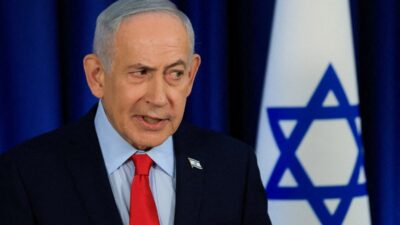
A senior White House official confirmed Israel would also participate in the ceasefire, though Israeli authorities have not yet officially confirmed this. US military actions have ceased, with defensive operations continuing.
Iran’s Supreme National Security Council confirmed acceptance of the Pakistani proposal, with the New York Times reporting that the new supreme leader, Ayatollah Mojtaba Chamenei, approved the ceasefire.
China reportedly intervened at the “last moment,” urging Iran to show flexibility, alongside Pakistan’s efforts. Iranian state media described the situation as a “humiliating retreat” for the US, claiming victory and calling for national unity.
Ongoing Tensions and Negotiations
Despite the ceasefire, Iran’s Supreme National Security Council stated it remains “with a finger on the trigger,” warning of a forceful response to any enemy misstep. Peace negotiations between Iran and the US are scheduled to begin on April 10th in Islamabad, Pakistan.
White House spokesperson Karoline Leavitt confirmed ongoing talks but did not confirm final arrangements. Iranian Foreign Minister Abbas Aragczi stated Iran will suspend “defensive operations” for two weeks, with safe passage through the Strait of Hormuz coordinated with Iranian armed forces.
Broader Implications of the Ceasefire
Pakistani Prime Minister Shehbaz Sharif clarified the ceasefire applies to all parties, including allies. This includes pro-Iranian Hezbollah and a halt to Israeli operations against the group. Trump had previously threatened total civilization’s destruction if Iran did not comply.
Trump had warned that “the whole civilization will die tonight” and threatened to destroy bridges and power plants if Iran did not reach an agreement and open the Strait of Hormuz. He initially deemed Iran’s 10-point response to a 15-point US plan “significant but insufficient.”
Terms of the Potential Agreement and Market Impact
The New York Times reports the Iranian proposal includes the complete lifting of sanctions and does not require Iran to fully dismantle its nuclear program or halt uranium enrichment. Discrepancies exist between the English and Farsi versions regarding uranium enrichment.
Following Trump’s announcement, oil prices dropped significantly, with American West Texas Intermediate (WTI) falling approximately 13% to under $100 per barrel. Pro-government rallies occurred in Tehran, with demonstrators chanting “Death to America, Death to Israel” and burning flags.