


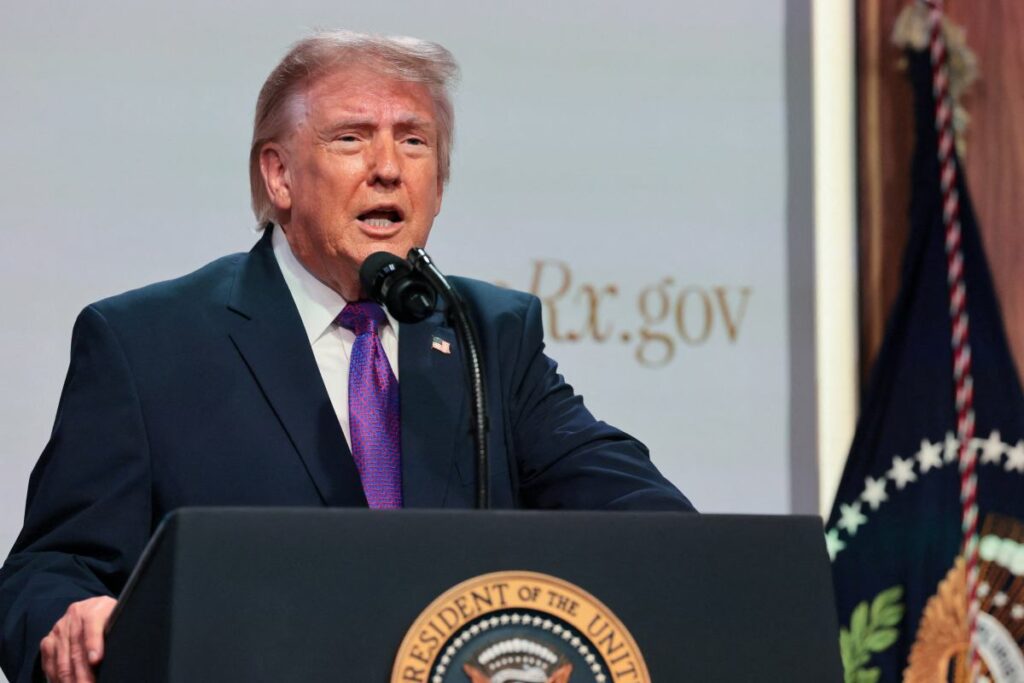
Donald Trump has signaled his intention to hold a conversation with Taiwanese President Lai Ching-te, a move that experts warn would represent an unprecedented break from long-standing diplomatic norms.
Trump’s Diplomatic Intentions
On Wednesday, May 21, Donald Trump confirmed for the second time in several days that he plans to speak with Taiwan’s President Lai Ching-te. When asked by reporters at Andrews Air Base if he would engage in a discussion before deciding on arms sales to Taiwan, Trump responded that he speaks to everyone and maintains control over the situation.
CNN reports that such a conversation would be an unprecedented move and a significant departure from established diplomatic protocols. While the Taiwanese Foreign Ministry has stated that President Lai would be open to such a call, it remains unclear if the Trump administration has taken any formal steps to facilitate it.
Beijing’s Response and Historical Context
China’s Ministry of Foreign Affairs reiterated on Thursday that its opposition to official U.S. contact with Taiwan remains firm. Beijing urged the United States to honor its commitments and stop sending what it termed as wrong signals to separatist forces seeking independence.
Official communication between U.S. and Taiwanese presidents has ceased since 1979, the year the U.S. recognized the People’s Republic of China. Under the “One China” policy, Washington maintains unofficial relations with Taiwan and is legally obligated by the Taiwan Relations Act to provide the island with defensive weapons.
Precedent and Strategy
The Chinese Communist Party maintains that Taiwan is part of its territory, despite never having controlled it, and has frequently threatened to force reunification if necessary. The United States, while acknowledging the Chinese position, has never formally recognized Beijing’s claims to the island.
The Guardian recalls that Donald Trump previously defied decades of diplomatic convention in 2016, when he spoke with then-President Tsai Ing-wen while serving as President-elect.