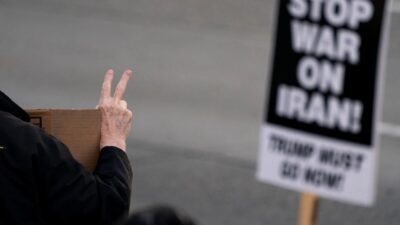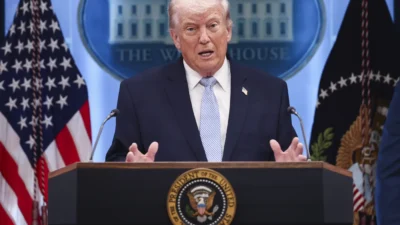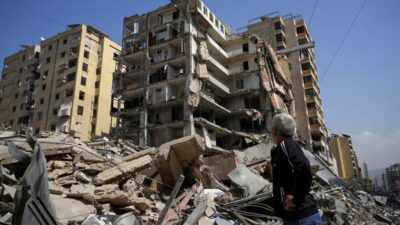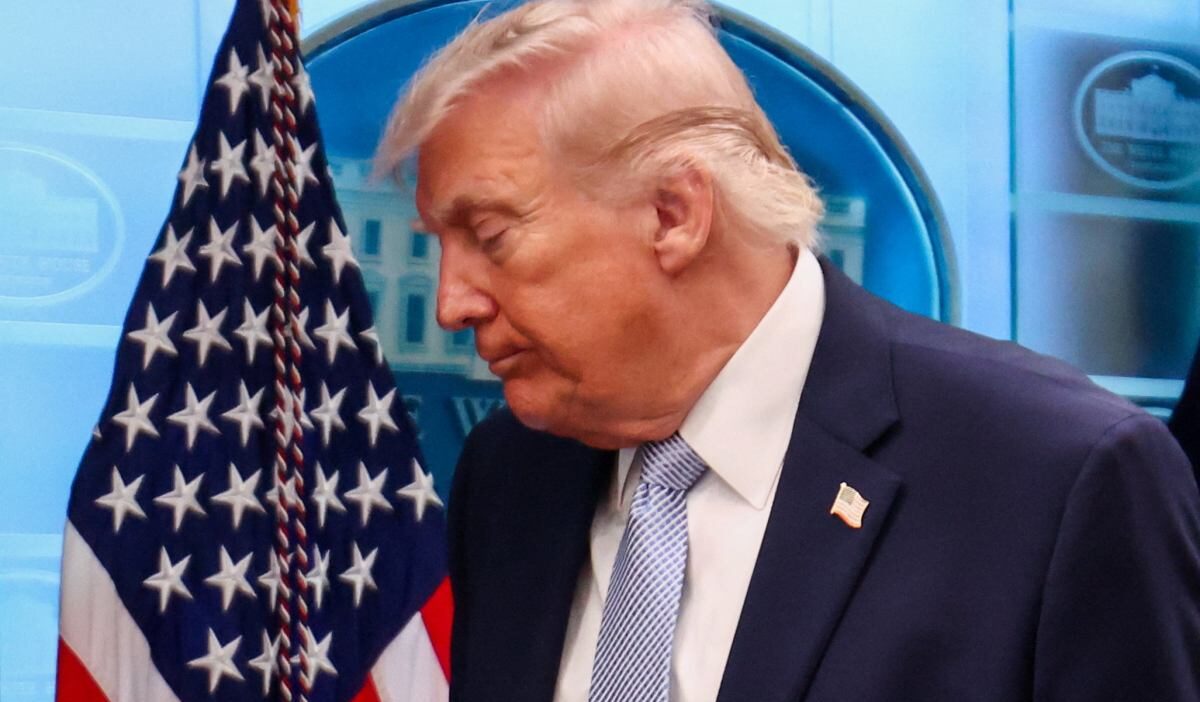
Donald Trump announced a two-week ceasefire with Iran contingent on the reopening of the Strait of Hormuz, following intense negotiations and threats of military action.
US-Iran Agreement on Ceasefire and Cooperation
The United States will closely cooperate with Iran, which, according to assessments, has undergone a successful regime shift. Trump stated there would be no uranium enrichment and that the US, in collaboration with Iran, would excavate and remove “nuclear” material, according to a post on Truth Social.
This refers to Iran’s stockpile of over 400 kg of highly enriched uranium, believed to be buried underground in locations like Isfahan and Natanz following last year’s strikes on nuclear facilities. Trump added that the stockpiles are under “very strict satellite surveillance” and Iran has taken no action regarding them since last year.
“We are talking and will be talking to Iran about easing tariffs and sanctions. Many of the 15 points have already been agreed upon,” Trump said, referencing ongoing peace negotiations.
Escalation and Diplomatic Intervention
Just days prior, Trump threatened attacks on Iran if the Strait of Hormuz remained blocked, stating, “Open that damn strait, you crazy people, or you will go to hell.” The US military and Pentagon were preparing for large-scale bombings of Iranian infrastructure, and allies in the Persian Gulf were on alert for potential retaliation.
Behind the scenes, diplomatic negotiations were underway. Steve Witkoff criticized Iran’s initial 10-point counter-proposal as a “disaster,” and a revised version was developed. Washington ultimately agreed to a two-week ceasefire.
Iranian Response and Key Negotiators
Iran’s Foreign Minister announced that if attacks against Iran are halted, its armed forces will end defensive operations. They also pledged “safe passage” through the Strait of Hormuz for two weeks, but only in coordination with the Iranian military.
The agreement was influenced by Abbas Aragczi, who pressured the Islamic Revolutionary Guard Corps, and China, which advised Tehran to find a solution to the conflict. Supreme Leader Khamenei’s approval was crucial for the ceasefire.
Finalizing the Agreement
On Tuesday, April 7th, there was a belief that both sides desired a ceasefire. Trump agreed despite pressure from allies advocating for rejecting the proposal. He consulted with Benjamin Netanyahu and Pakistani Marshal Asim Munir to finalize the agreement.
The order to cease fire was issued to US forces just 15 minutes after Trump’s public announcement.