


President Trump has announced the imposition of 25% tariffs on cars and trucks imported from the European Union, escalating trade tensions.
Return to Confrontational Trade Policy
The announcement of increased tariffs has immediately impacted markets and prompted reactions from politicians. President Donald Trump has declared the implementation of 25-percent tariffs on passenger and freight vehicles imported from the European Union, with the new regulations expected to take effect in the coming days, sharply worsening trade relations between Washington and Brussels.
The tariff hike is seen as a clear signal of a return to the United States’ confrontational trade policy towards Europe, with French newspaper *Le Monde* describing the move as a de facto resumption of a trade war. Washington accuses the EU of violating previous trade agreements, though specific examples of these violations have not been provided.
Political Motivations Behind the Decision
Experts suggest the decision also has a political dimension. The US administration has criticized the pace of negotiations for a new trade agreement in 2025, deeming it too slow. Tensions have also increased following the conflict with Iran, when several European countries refused to participate in military actions led by Washington, leading to economic pressure as a means of influencing allies.
Impact on the German Automotive Industry
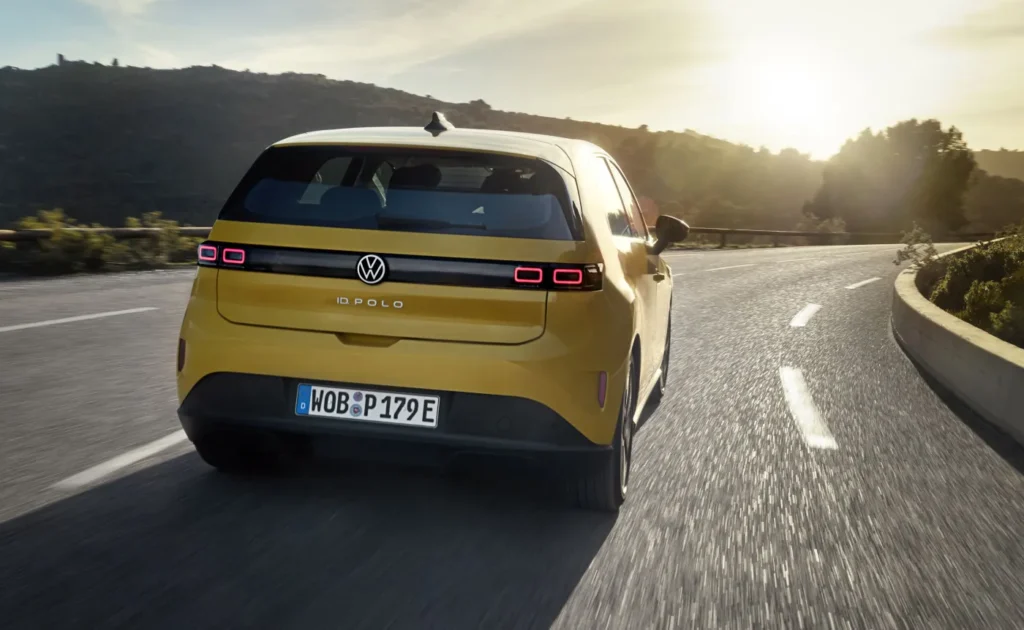
The tariffs will most significantly affect German car manufacturers, who have long dominated the US export market. Data from the European Automobile Manufacturers’ Association shows that in 2024, 22 percent of Europe’s automotive exports went to the US market. This high proportion means the new tariffs could significantly reduce sales and force companies to revise their strategies.
Major German brands like Volkswagen, BMW, and Mercedes-Benz have invested heavily in their presence in the United States through both exports and local production. However, even partial relocation of production overseas does not fully address the issue, as many models are still manufactured in Europe. The 25-percent tariff could lead to a loss of price competitiveness, potentially reducing production and increasing the risk of job cuts.
Existing Challenges for European Automakers
The situation is particularly difficult as the European automotive sector already faces challenges related to the energy transition, rising energy costs, and competition from Chinese manufacturers.
A Display of Strength and Pressure Strategy
The US president’s decision also has a demonstrative aspect, seen by commentators as an attempt to showcase dominance in global trade and remind partners that the United States remains a key player capable of imposing conditions. Recent months saw some observers believe trade tensions were easing, particularly after US Supreme Court rulings limiting earlier tariff decisions, but this new announcement contradicts those forecasts.
Broader Proteccionist Strategy and Potential Retaliation
Economists note that these actions fit into a broader strategy of economic protectionism consistently pursued by Donald Trump. Similar tariffs were previously imposed on steel and aluminum from Europe, leading to retaliatory measures from the EU, raising the risk of a new cycle of retaliatory actions.
European Response and Future Scenarios
EU member states are currently exercising restraint, analyzing the situation and not announcing immediate countermeasures. This strategy stems from past experiences where some US administration announcements were not ultimately implemented or were modified during negotiations.
However, signals are emerging of potential retaliatory actions if the tariffs are actually implemented. The European Union has instruments to impose tariffs on American products, potentially affecting sectors such as agriculture and technology.
Analysts emphasize that the development of the situation will depend on several factors: the progress of trade negotiations, further political relations between Washington and European capitals, and the global economic situation. It is already clear that the tariff decision increases uncertainty in the markets and could have long-term consequences for global trade.