


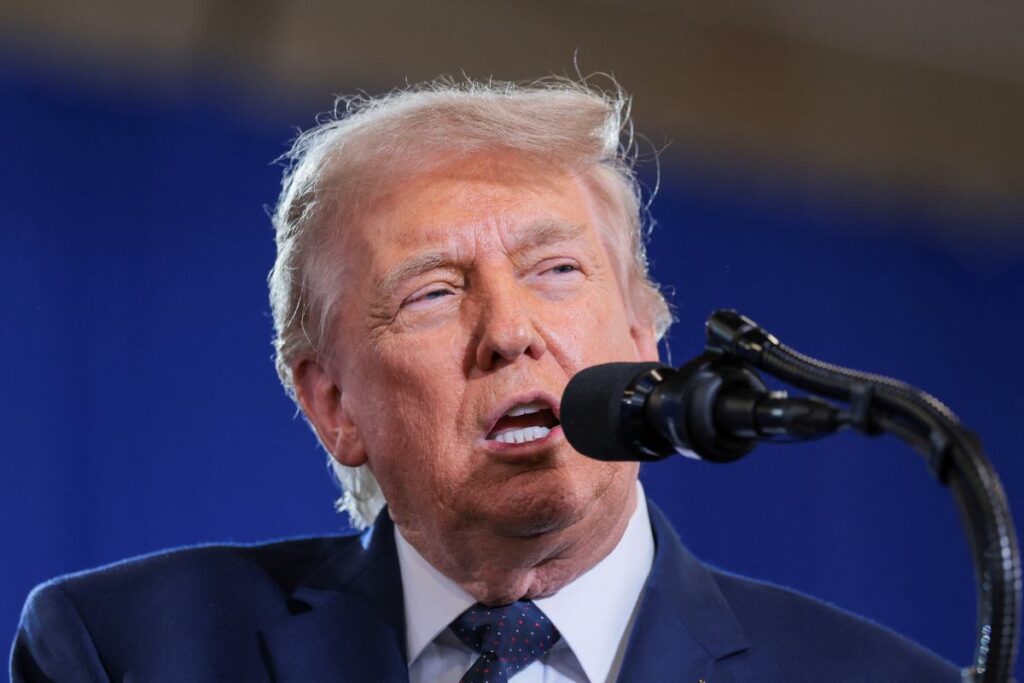
US President Donald Trump asserts that Iran’s supreme leader is participating in negotiations and has agreed to forgo nuclear weapons, even as experts remain skeptical of the diplomatic progress.
Nuclear Negotiation Claims
President Trump stated that Iran’s supreme leader is involved in discussions and approves of the ongoing negotiations, adding that he expects to meet with him in the future. Trump explicitly claimed that Iran has agreed to abandon its nuclear weapons program.
Tehran has previously questioned the president’s statements regarding these agreements. As far back as March, Trump claimed that Iran had committed to never acquiring nuclear weapons, though details on the potential deal remain unconfirmed.
Recent reports from The New York Times and Axios indicate that Trump submitted a revised draft agreement to Iran featuring more restrictive conditions. According to CBS News, these changes include the removal of highly enriched uranium, a core source of friction between Washington and Tehran.
Diplomatic Strategy and Rubio’s Outlook
Secretary of State Marco Rubio stated that Iran may soon begin formal discussions on its nuclear program. Rubio noted that for the first time in memory, the prospect of negotiating aspects of the program that were previously considered off-limits is now a reality.
Tensions Between Washington and Jerusalem
Addressing his relationship with Israeli Prime Minister Benjamin Netanyahu, Trump admitted he was “annoyed” by Israel’s ongoing military operations in Lebanon. While Trump described his irritation in a recent podcast, other reports suggest the exchange was far more hostile, with some outlets alleging the president used profanity.
Reports from Axios indicate that Trump warned Netanyahu that the escalation in Lebanon threatens to derail his efforts to secure a deal with Iran. The conflict between the two allies remains a significant obstacle to American diplomatic goals in the region.
The Strategic Status of the Strait of Hormuz
The situation in the Strait of Hormuz remains a critical background factor. Analysts at the Institute for the Study of War suggest that Tehran may be using the nuclear negotiations to consolidate its control over this vital maritime energy corridor.
Military experts, including Michael Clarke, have noted that the ease with which Iran has disrupted shipping has altered the strategic landscape. Even if the current crisis subsides, analysts argue that the vulnerability of the strait to Iranian interference has been permanently exposed.
The Shadow of Regional Conflict
Peace talks remain stalled as regional tensions persist. While the US administration continues to press for nuclear concessions from Tehran, the ongoing Israeli offensive against Hezbollah in Lebanon remains a primary point of contention, complicating the timeline for a final agreement.