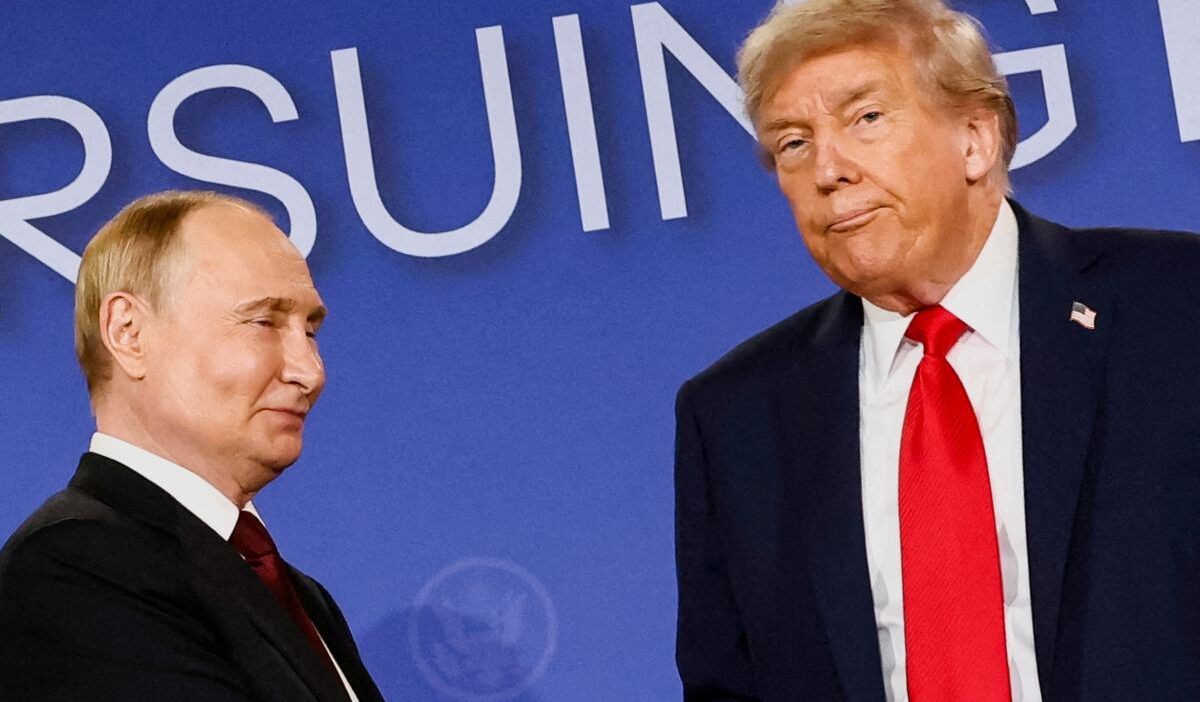
German media outlets report that Donald Trump may seek a deal with Vladimir Putin as he delays military action against Iran, raising concerns about a “dirty deal.”
Frankfurter Allgemeine Zeitung Questions Pressure Points
“It is puzzling who feels more pressure from Trump’s ultimatum: the regime in Tehran or the US president himself?” asks Frankfurter Allgemeine Zeitung. The paper notes Trump’s repeated delays of planned attacks on Iranian energy facilities, this time by ten days, are justified by progressing negotiations.
Iran claims no such negotiations are taking place, at least not directly. The specifics of these events remain unclear, but each day Trump postpones attacks potentially delays a decision on deploying ground troops, which would have significant political and military consequences in the United States.
Südwest-Presse: Iran Holds Significant Leverage
“The seesaw in Donald Trump’s policy toward Iran has taken on a new dimension,” states Südwest-Presse. While Trump initially extended a two-day ultimatum regarding the Strait of Hormuz by five, and now ten days, American special forces have already arrived in the region, with thousands more soldiers potentially following.
The deadline Trump set for negotiations tragically resembles late February, when he initiated a conflict in a similar phase. He may simply be buying time for additional ground troops to arrive. However, it is clear that Trump’s actions reveal Iran now possesses significant leverage, controlling oil and gas exports from the Persian Gulf, proving more resilient than the US and Israel anticipated.
Rhein-Neckar-Zeitung: A Putin Deal Would Benefit Trump
Rhein-Neckar-Zeitung notes the German Chancellor believes another attack on the Iranian regime is unwarranted, recalling that Washington did not consult Berlin, Paris, Brussels, or London before making any decisions. This has led European observers to conclude, “This is not our war.”
Trump echoed this sentiment, declaring that the war in Ukraine is not a US war—a historically inaccurate statement, but strategically relevant. Trump dislikes the Ukraine war, and a deal with Putin would be advantageous, especially given the escalating situation in Iran. The Ukraine conflict, alongside the energy market crisis, serves as a key tool for Trump to pressure Europe into providing military support. While the potential conflict in the Persian Gulf isn’t primarily a European war, Europe will likely be involved in ensuring peace in both regions.
Münchner Merkur: Fears of a “Dirty Deal” with Putin
Münchner Merkur considers the potential consequences for Ukraine, warning Europeans: “A boomerang is a cunning device. If you are not careful, it can hit you painfully on the head.” In the case of Iran, this translates to a blow to Europeans.
Their firm refusal to assist Trump and the US in actions against Iran has prompted a predictable response: “Ukraine is not our war.” This may signal a US withdrawal from the Ukraine conflict, though Trump’s intentions remain ambiguous. There are concerns he seeks a “dirty deal” with Putin—a potential trade-off where Putin ceases support for Iran in exchange for Trump abandoning Kyiv. Without US intelligence, Zelenskyy might soon be forced to surrender. Europeans must end their detachment from global politics and reach an agreement with the US regarding Iran.
Trump Delays Action, Seeks Alternatives
The articles collectively highlight Trump’s shifting approach to Iran, characterized by delayed military action and potential diplomatic maneuvering, particularly with Russia. This has raised concerns among European allies about the implications for both the Iran situation and the ongoing conflict in Ukraine.