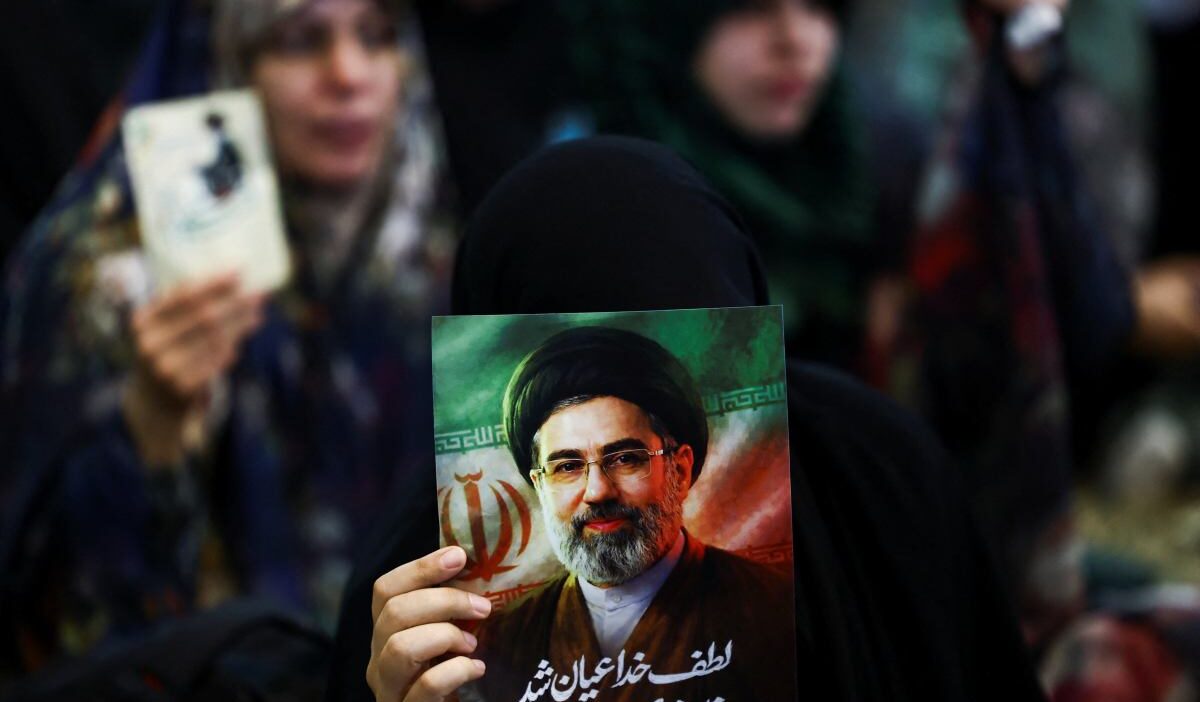
Twenty-one hours of negotiations with Iran, led by Vice President J.D. Vance, yielded no results, leaving President Trump with unfavorable choices, according to a New York newspaper.
Negotiations Collapse, White House Silent
A 21-hour negotiation marathon with Iran, led by Vice President J.D. Vance, failed to produce any results, leaving President Trump with limited options, reports a New York daily.
White House representatives declined to comment, deferring questions to President Trump, who is spending the weekend in Florida attending an Ultimate Fighting Championship event.
Trump’s Miscalculation and Iran’s Resolve
Trump reportedly anticipated Tehran would concede to U.S. military power, but the Islamic Republic intends to demonstrate its resistance to American pressure.
Following the breakdown of peace talks in Pakistan, the Iranian Foreign Ministry stated it would “defend the national interests of Iran and its rights more decisively than ever before.”
No Compromise on Either Side
Neither side is willing to compromise, leaving President Trump with the options of resuming negotiations or pursuing military action.
Administration Reluctant to Engage in Prolonged Talks
The “NYT” reports that Trump’s administration is hesitant to become involved in lengthy and complex negotiations, recalling that the Iran nuclear deal, negotiated during Barack Obama’s presidency, took two years to finalize. Trump withdrew the U.S. from the agreement during his first term.
Potential for Military Action, but Politically Risky
The White House may announce a resumption of military operations in the coming days, but the New York newspaper assesses that this would not be a politically advantageous choice for Trump, a fact that Iranian officials are aware of.
Strategic Considerations: Strait of Hormuz and Economic Impact
Trump initially announced a ceasefire partly due to the disruptions caused by the blockage of the Strait of Hormuz, which reduced global oil supply by 20 percent, increased fuel prices, and led to shortages, including fertilizers.
The newspaper warns that a continuation of the war would likely cause market unrest, falling stock values, and an inevitable rise in inflation, which already stands at 3.3 percent.
Mutual Claims of Victory and Impasse
“NYT” concludes that the failure of peace negotiations demonstrates that both sides believe they have won the first round of the conflict and are unwilling to compromise.