


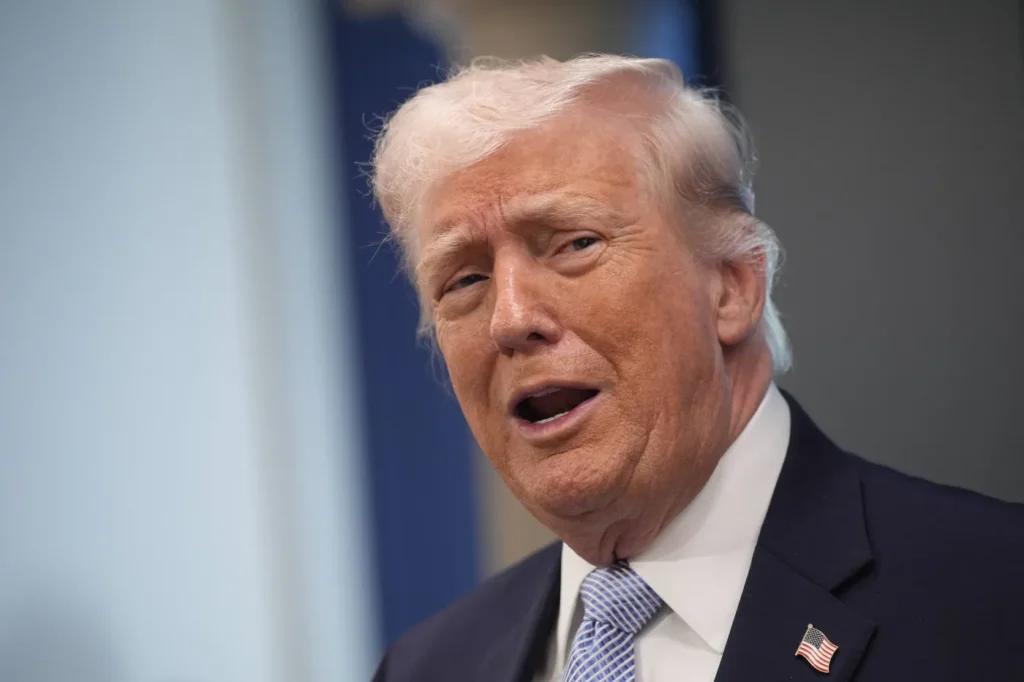
U.S. President Donald Trump agreed to a two-week ceasefire with Iran following diplomatic efforts by Pakistan, contingent on the reopening of the Strait of Hormuz.
Iranian Plan and Peace Negotiations
Tehran has presented a ten-point plan to resolve the conflict, which the U.S. administration considers a “practical basis for further negotiations,” with most contentious issues preliminarily agreed upon.
Iran has confirmed its willingness to engage in talks, potentially starting this week in Islamabad. The plan includes ensuring the security of transit through the Strait of Hormuz, discussions on lifting some sanctions, and changes to the U.S. military presence in the region.
Israel Suspends Operations, Tensions Remain
According to U.S. officials, Israel has also agreed to participate in the two-week ceasefire, temporarily halting bombardments of Iran and operations against affiliated structures in the region.
Despite the ceasefire, the situation remains highly tense, with continued attacks and retaliatory actions even after the announcement. Experts view the agreement as a test that could be quickly broken if conditions are violated.
Strait of Hormuz: A Key to Global Stability
The Strait of Hormuz, a critical global shipping lane, is central to the negotiations. Approximately 20% of global oil supplies and a significant portion of liquefied natural gas transit through this narrow passage.
Blocking the strait during the conflict would have caused severe disruptions to energy markets. Iran has pledged to ensure safe transit as part of the ceasefire, contingent on a halt to attacks on its territory.
Sharp Market Reaction and Oil Price Drops
The news of the ceasefire immediately impacted the economic situation, with global financial markets reacting optimistically and oil prices falling sharply.
Crude oil futures declined by several percentage points within hours, driven by expectations of resumed transport through the Strait of Hormuz. Stock indices in Asia and the United States also saw dynamic growth, as investors perceived a reduced risk of a severe energy crisis.
Economic Pressure and Political Calculations
Donald Trump’s decision was largely influenced by economic pressure. The prolonged conflict led to rising energy prices, disruptions in international trade, and increasing military costs.
Analysts emphasize that further escalation could have had serious consequences for the global economy, including a surge in inflation and financial market instability. The ceasefire provides both sides with time to reach a more lasting agreement.