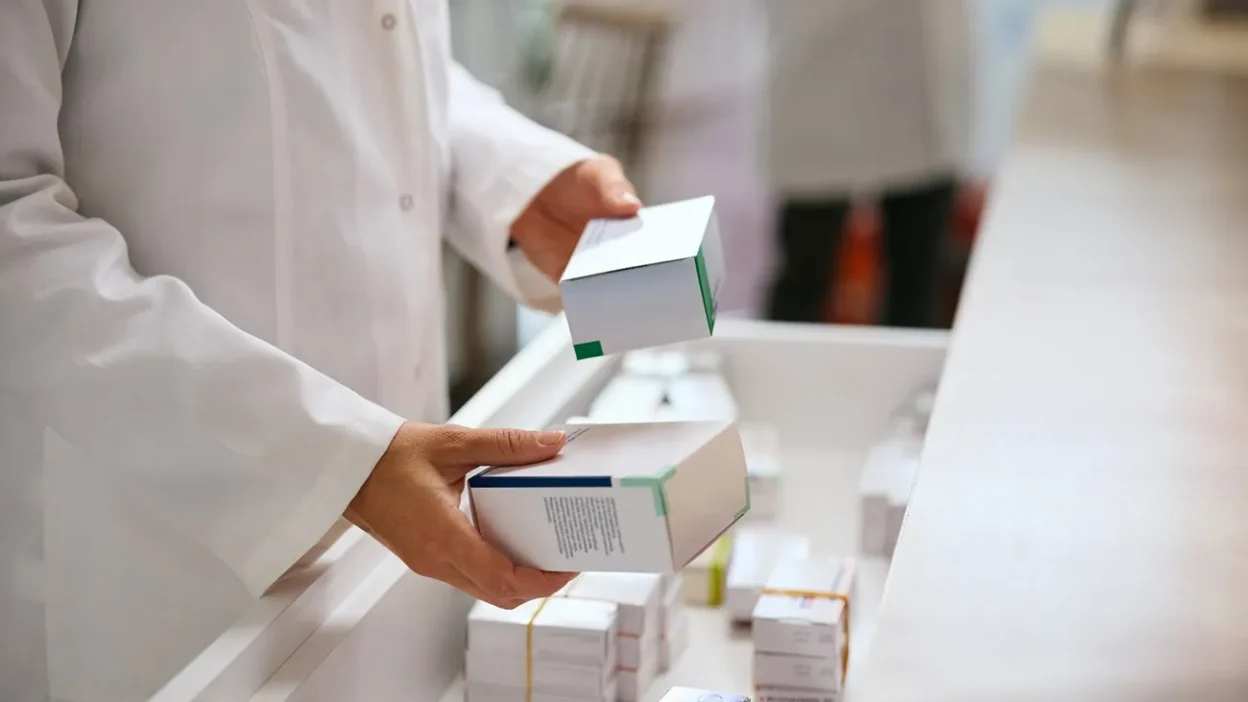
U.S. President Donald Trump signed a decree on Thursday imposing tariffs of up to 100% on certain pharmaceuticals, with exemptions for domestic production or price agreements.
US Drug Tariffs: Trump’s New Rules
President Donald Trump signed a decree on Thursday imposing tariffs of 100% on some medications. Companies committing to production in the USA will face a 20% tariff.
Further tariff exemptions are available to firms that sign agreements with the government for lower prices.
Patent Drug Focus
The executive order imposes a 100% tariff on patented, or innovative, drugs, not generic medications. Tariffs will not apply if companies commit to manufacturing in the US or agree to a government deal on lower prices.
Thirteen pharmaceutical companies have already reached such agreements with the Trump administration.
Tariff Avoidance for Pharma Companies
A representative of the administration told the media on Thursday that companies committing to production in the US will be subject to a 20% tariff. Complete exemption from tariffs is granted with a government agreement.
Existing Trade Agreements Impact Tariffs
Tariffs on drugs produced in the European Union, Japan, South Korea, and Switzerland are 15% due to existing trade agreements. The United Kingdom is covered by a separate agreement.
Steel and Aluminum Tariffs Extended
President Trump also signed a proclamation introducing changes to tariffs on steel, aluminum, and copper products, according to the White House on Thursday.
Certain industrial equipment and power grids with high metal content will be subject to a 15% tariff (previously 50%) until 2027, intended to support the growth of US industry.