


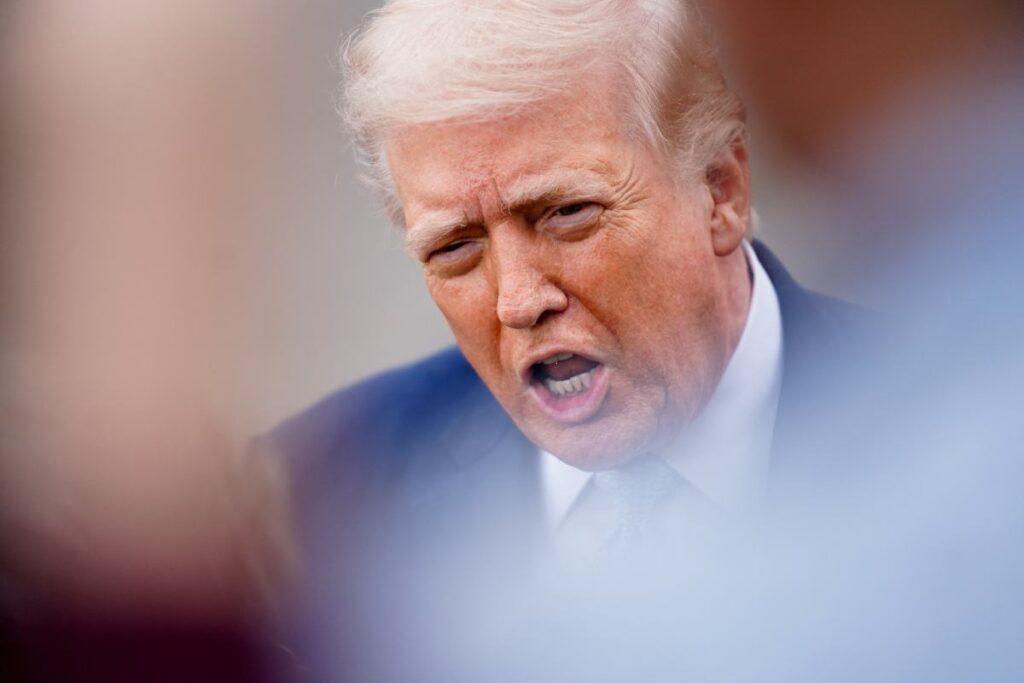
Donald Trump threatened to destroy Iranian power plants within 48 hours if Iran doesn’t fully reopen the Strait of Hormuz, escalating tensions in the region.
Trump’s Ultimatum and Iranian Response
Trump stated on his Truth Social platform that if Iran does not fully open the Strait of Hormuz within 48 hours, the United States will destroy its various power plants, starting with the largest.
The ultimatum is set to expire shortly before 1:00 AM Polish time on Monday-Tuesday. In response, Iranian authorities have vowed to retaliate by attacking U.S. and Israeli energy, cyber, and desalination infrastructure in the region if the threats are carried out.
Past Threats and Shifting Stance
Trump claims he previously refrained from destroying Iranian power plants because he was “being nice.” He has repeatedly threatened to destroy Iranian power plants, including a nuclear facility, suggesting he could cause crippling damage within an hour.
This represents a shift in Trump’s position regarding the Strait of Hormuz. He recently suggested he was close to achieving his goals in Iran and that the U.S. might relinquish responsibility for the strait to oil-importing nations.
Iran’s Blockade and Regional Implications
Iran is blocking traffic through the Strait of Hormuz in response to the February 28th U.S. and Israeli attack on Iran. Iranian forces have repeatedly attacked tankers, while allowing some vessels, including those linked to China and India, to pass.
Reports indicate the deployment of mines in the strait. The largest power plant in Iran is the Demavand gas power plant near Tehran, with a capacity of approximately 2,800 MW. Iran also operates the Bushehr nuclear power plant with a capacity of 1,000 MW.
International Reactions and Concerns
German Chancellor Friedrich Merz has advocated for securing the Strait of Hormuz, but only after a ceasefire, a prospect that remains distant despite intensifying U.S. bombing of Iran. Tehran is believed to have a significant advantage in the conflict.