


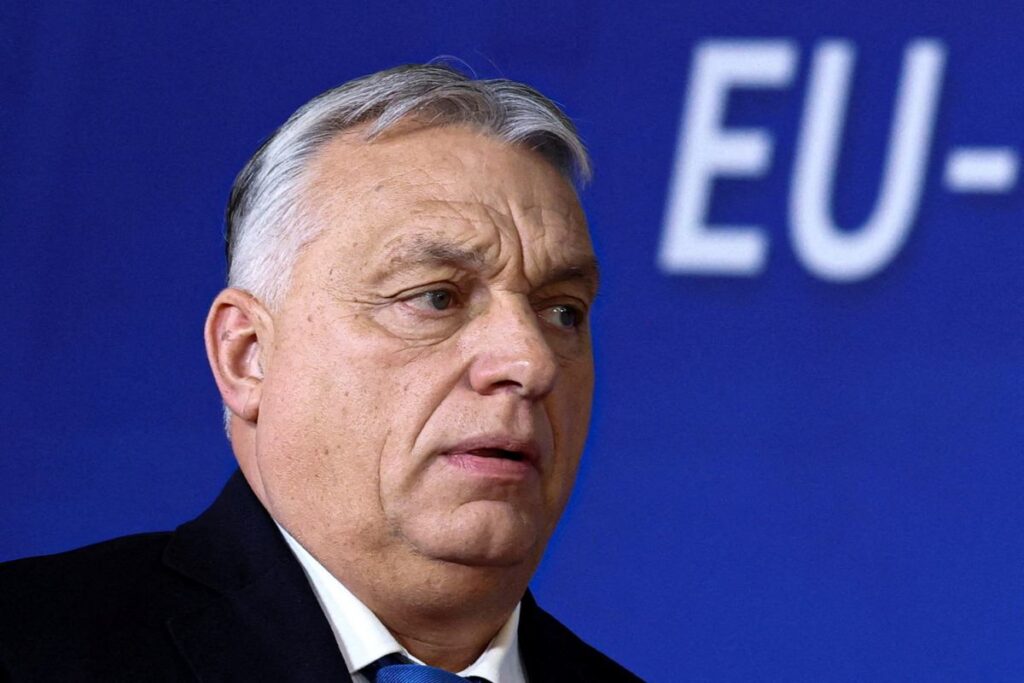
Following recent Hungarian elections, key international figures—including Donald Trump, the Kremlin, and Poland’s PiS party—have signaled a shift away from Viktor Orbán.
Kremlin Declares No Special Status for Hungary
Dmitry Peskov stated that Russia and Hungary were “never friends,” acknowledging Hungary’s choices and respecting them. He indicated Hungary will now be categorized as a “non-friendly state,” aligning with the Kremlin’s view of most European countries.
Péter Magyar Signals Pragmatic Foreign Policy
Péter Magyar, the leader of Tisza, indicated a pragmatic approach to foreign policy after his electoral victory. Hungary will continue purchasing Russian oil and proceed cautiously regarding Ukraine.
Magyar emphasized the necessity of securing energy imports, including from Russia, while asserting his relationship with Russia will differ from Orbán’s.
He stated he would answer a call from Vladimir Putin and use the opportunity to urge an end to the war in Ukraine.
Trump Praises Magyar, Questions Past Support for Orbán
Donald Trump described Péter Magyar as a “good man” and believes he will “do a good job.” He also admitted uncertainty about whether his presence at a campaign event would have aided Orbán.
Trump stated he wasn’t heavily involved in the Hungarian election and described Viktor Orbán as “a good man.”
PiS Officials Reassess Relationship with Orbán
Following Orbán’s defeat, PiS officials are altering their rhetoric regarding their relationship with him. Tobiasz Bocheński, previously a staunch defender of Orbán, now claims Orbán was never a friend of PiS.
Bocheński clarified that the relationship between PiS and Orbán’s camp was not a friendship, but rather an alliance on European issues, with significant disagreements on Eastern European policy.
Michał Wójcik acknowledged disagreements with some of Orbán’s decisions but expressed no regret for supporting him in the elections, viewing Orbán as the last EU leader to rationally oppose “Brussels’ follies” and centralization of the EU.