


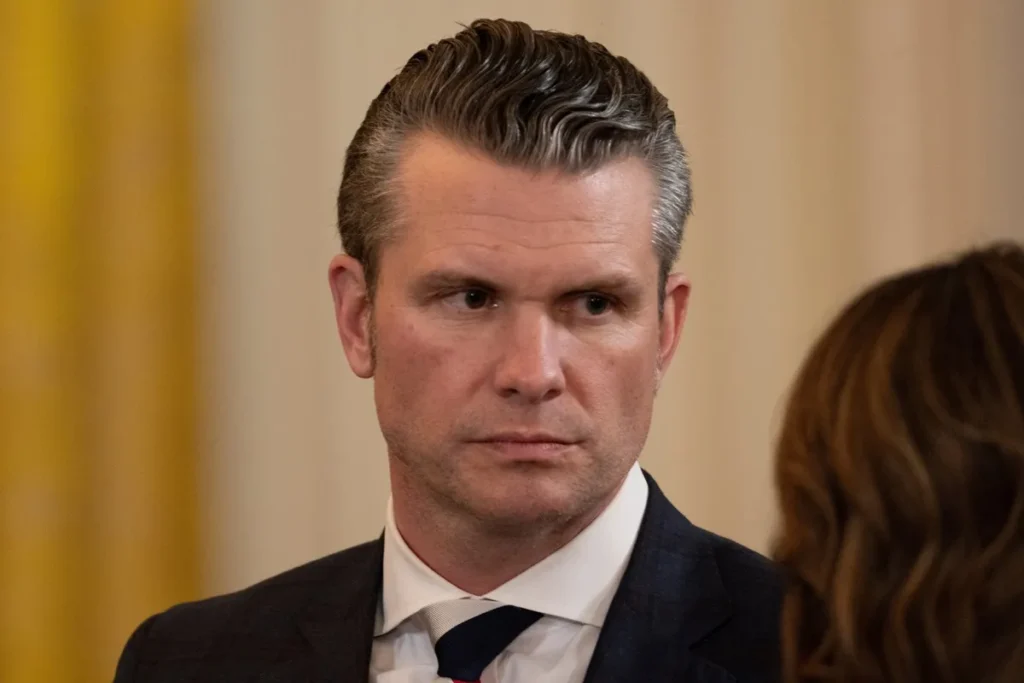
Donald Trump suggested Secretary of Defense may have initiated military engagement with Iran, sparking debate over decision-making within the U.S. administration.
Trump Suggests Defense Secretary’s Role in Iran Conflict
During a recent appearance in Tennessee, Donald Trump indicated that initial recommendations for U.S. military involvement may have originated with Secretary of Defense Pete Hegseth. This claim has drawn criticism, as the U.S. President is constitutionally the ultimate decision-maker regarding the use of armed force.
Expert Analysis: A Tactical Statement
Professor Tomasz Płudowski, an Americanist at Vizja University, cautioned against taking Trump’s statement literally, stating it would be unusual. He suggested Hegseth may have been among those advocating for intervention, differing from other policymakers.
Płudowski emphasized that differing viewpoints within the administration are common, and the statement could be a tactical move to shape political perception amid growing public pressure.
J.D. Vance’s More Cautious Stance
Analyst J.D. Vance reportedly advocated for a more restrained approach to U.S. engagement in another Middle Eastern conflict.
The President’s Constitutional Role
Experts agree that attempts to shift responsibility for military decisions to others are primarily elements of political communication. The U.S. Constitution clearly defines the President’s role as commander-in-chief.
Ultimately, the President makes the final decisions, even if advisors recommend specific actions. Such statements may serve to shape the President’s political image.
Past Communication Strategies
Analysts note that similar communication strategies have been used previously, both in foreign and domestic political disputes within the U.S.
Concerns Over Hegseth’s Experience
Discussion has also focused on the competence of the Secretary of Defense. Professor Płudowski pointed out that Hegseth’s experience in military policy is limited.
This raises broader questions about the role of individuals with limited experience in key national security positions, a recurring debate in the U.S.
U.S. Public Opinion on Middle East Conflict
Public sentiment is a significant factor influencing U.S. administration actions. Research from Pew Research Center and Gallup indicates Americans are weary of prolonged armed conflicts.
Skepticism towards war in the Middle East existed even before the recent escalation, stemming from experiences in Iraq and Afghanistan, which were costly and yielded unclear strategic results.
The public now favors limited military operations with clearly defined goals. The lack of a precise goal in the current conflict exacerbates skepticism.
Media Criticism and Threats
Donald Trump has increasingly criticized U.S. media outlets, accusing them of undermining support for military engagement. He has even threatened to revoke broadcasting licenses from those questioning the conflict’s objectives.
This is part of a broader conflict between the administration and the media, with the way the conflict is reported potentially impacting public support for the government’s actions.
Unclear Objectives Fuel Tensions
A key issue is the lack of a clear answer regarding the purpose of U.S. involvement. Interpretations range from strengthening Israel’s security to limiting Iran’s influence.
Experts note that even these arguments are not convincing to all segments of the population. The absence of a clear strategy contributes to the perception of another ambiguous intervention with unpredictable consequences.