


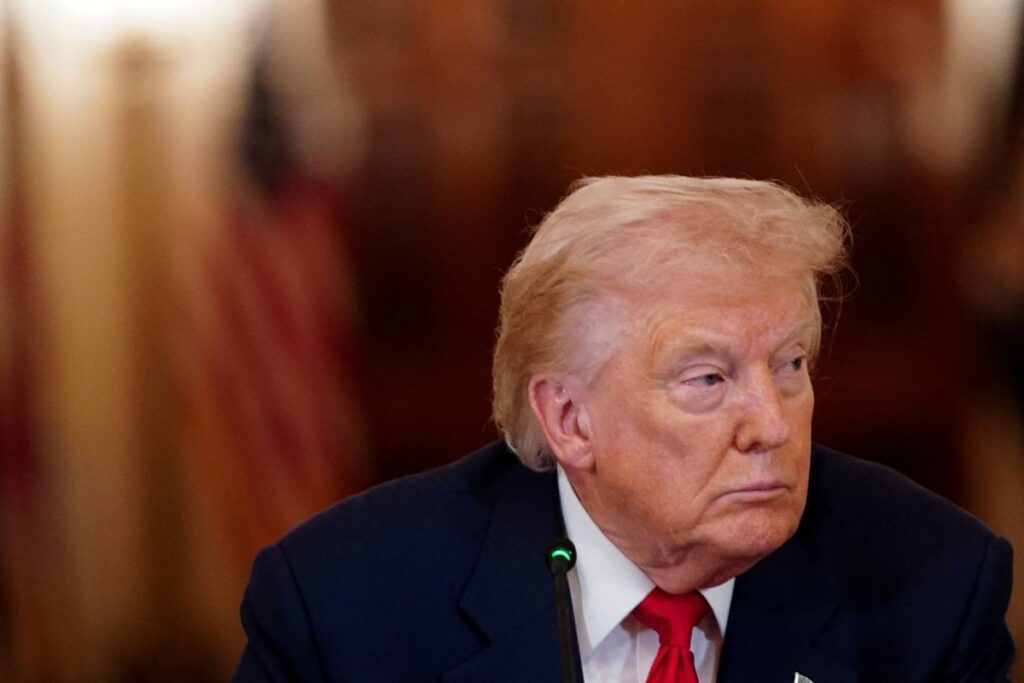
Donald Trump is urging NATO and other allies to contribute to a coalition securing the Strait of Hormuz, facing resistance as Iran retaliates for US-Israeli strikes.
Strait of Hormuz Remains Blocked
The Strait of Hormuz, a critical oil transport route, has been largely blocked since the start of the Middle East conflict. Passage is currently limited to vessels carrying Iranian oil to countries like India and China.
The blockade is a response to US-Israeli attacks that began on February 28th. Axios reports this situation poses a significant problem for the White House, as Trump cannot claim victory until the strait is reopened.
Allied Resistance to US Calls for Support
In recent days, the US President has repeatedly called on allied nations, including those within NATO, to provide support. The White House reportedly sought contributions of ships and resources from the UK, France, Germany, Italy, Australia, Canada, Gulf states, Jordan, Japan, and South Korea to escort vessels through the strait.
However, most have declined, citing reluctance to become involved. Germany, Italy, and Japan are among those who have rejected Washington’s proposal. Trump reportedly discussed the matter last Sunday (March 15th) with UK Prime Minister Keir Starmer and French President Emmanuel Macron, with Starmer appearing more amenable than Macron.
According to Axios sources, Macron hasn’t definitively said “no,” but his current stance is effectively a rejection. Trump has expressed dissatisfaction with the lack of support from allies.
Trump Threatens Action, Criticizes Allies
On Wednesday, March 18th, Donald Trump posted on Truth Social, stating, “Remember, to all of those complete ‘fools’ out there, Iran is widely considered Number One in the world for supporting terrorism. We are quickly taking away their ability to do so!”
He further stated he was considering what would happen if the United States “finished off what’s left of the Iranian terrorist state” and transferred responsibility for the “so-called strait” to countries that use it. “That would quickly put our unengaged ‘allies’ in line – and very quickly!” he added.
Cost of Middle East Operations Surpasses Ukraine Aid
Anne Applebaum notes that, at the current rate of weapons, ammunition, military equipment consumption, and logistical operations, Trump will spend as much in three months in the Middle East as the US spent over three years supporting Ukraine.
Germany Rules Out Participation in Strait of Hormuz Mission
Friedrich Merz addressed the Bundestag on the same day, confirming Germany would not send troops to participate in a mission to unblock the Strait of Hormuz. He stated Germany would not participate in military actions to ensure free navigation in the strait while the war continues.
Merz emphasized the lack of a plan or a mandate from the United Nations, European Union, or NATO. He also noted Berlin was not consulted before the US attack on Iran, stating they would discourage such a course of action. However, he did not exclude Germany’s participation in diplomatic efforts to end the war.
Seeking European Consensus, Maintaining US Partnership
Merz stressed the importance of a unified European position on the issue, stating he is in constant contact with the French President and the British and Italian Prime Ministers. He also emphasized the desire to avoid allowing the conflict with Iran to strain relations with the United States.
“We are looking for common ground with Washington. We share important US goals. But we must not and will not shy away from honestly telling our partners how we see things differently and where we have different interests,” he explained. He believes the US partnership “must withstand” this, as true partnership requires it. He underscored Europe’s interest in a swift end to the war.