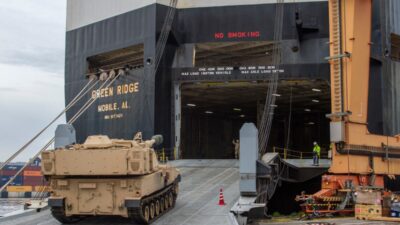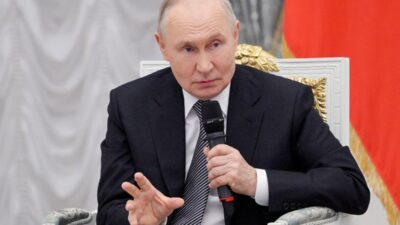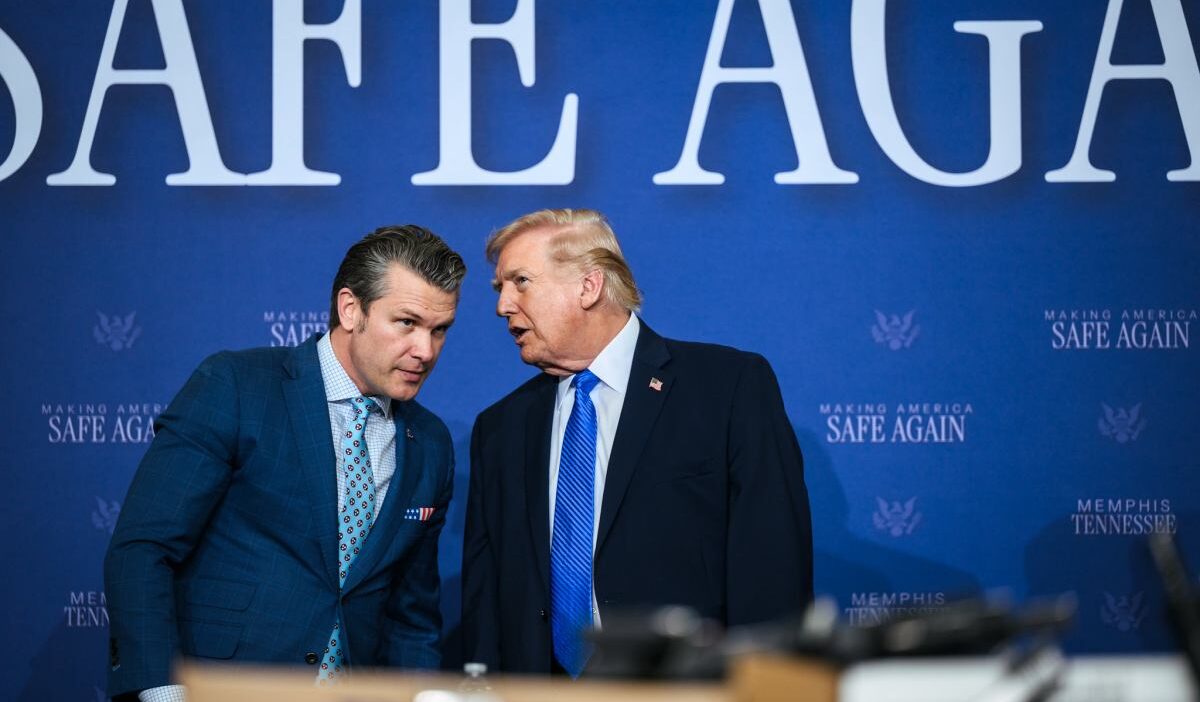
Following a reported decision to halt troop rotations to Poland, Donald Trump has signaled to Secretary of Defense Pete Hegseth that the United States must avoid mistreating a key ally.
Trump’s Intervention
Citing current and former U.S. officials, the Wall Street Journal reports that Donald Trump questioned Secretary of Defense Pete Hegseth regarding a decision to halt planned U.S. troop rotations to Poland. Trump told Hegseth that the U.S. should not treat Poland poorly, noting the nation’s status as a close American ally with strong ties to the White House.
Initial plans reportedly targeted Germany for troop withdrawals, serving as a response to criticisms of U.S. policy toward Iran by German Chancellor Friedrich Merz. The Pentagon is currently weighing options, including moving the 2nd Cavalry Regiment from Vilseck, Germany, to Poland, to reconcile Trump’s promise with a broader reduction of U.S. forces in Europe.
Official Stance and Diplomatic Communication
Spokespeople for the White House and the Pentagon insist there is no discord between the President and the Secretary of Defense. White House spokesperson Anna Kelly stated that Trump appreciates the Secretary’s commitment to the “America First” agenda, while Pentagon spokesperson Sean Parnell confirmed the two remain in constant contact regarding U.S. troop movements in Europe.
Polish Deputy Minister of National Defense Paweł Zalewski, concluding a visit to Washington, stated that the U.S. is expected to present Warsaw with options to maintain American engagement in Poland. He reaffirmed Poland’s readiness to cover the costs of building a permanent base for American troops.
Congressional Pressure on the Pentagon
The sudden cancellation of troop rotations caught both U.S. lawmakers and Army officials by surprise. Members of Congress have vowed to challenge the decision, potentially leveraging the budgetary process to force a reversal.
House Armed Services Committee Chairman Mike Rogers warned that Congress could restrict funding for high-ranking officials to exert pressure on the Pentagon. He emphasized that these budgetary restrictions would extend well beyond mere travel expenses.