Polish Prime Minister Donald Tusk criticized President Andrzej Duda’s recent visit to Hungary, alleging it undermined Polish interests, prompting a sharp response from the presidential palace.
Presidential Spokesman Denies Manipulation Claims
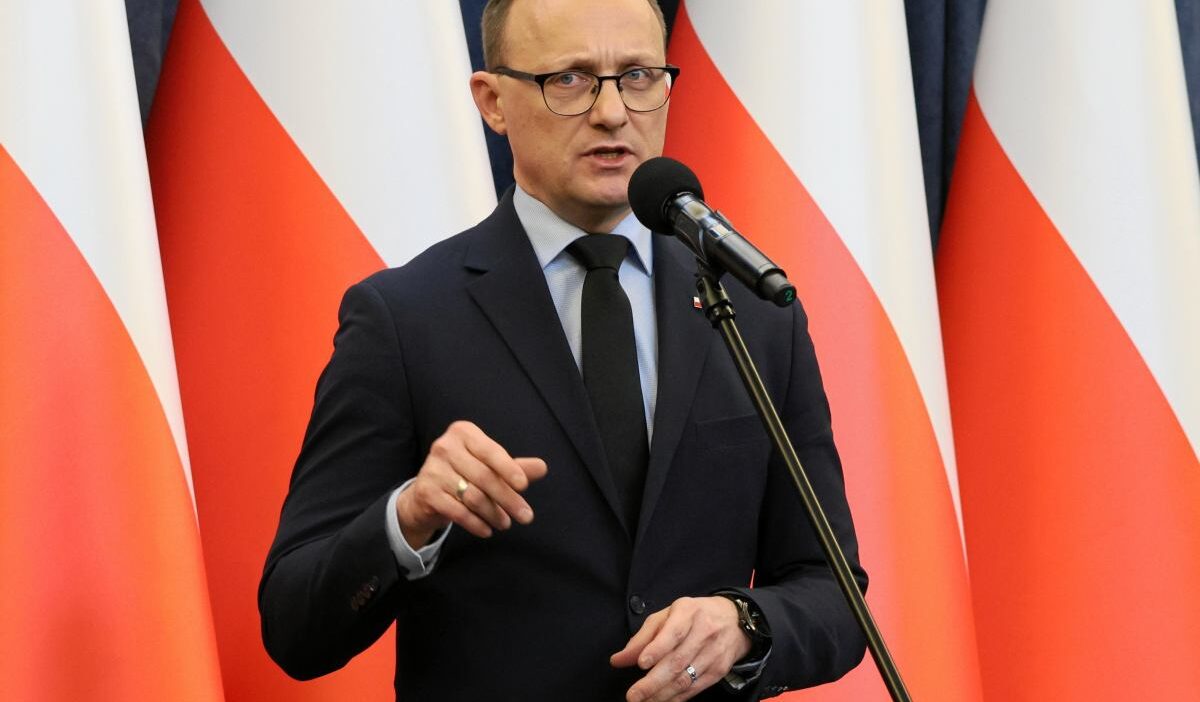
Presidential Spokesman Mikołaj Leśkiewicz responded to Prime Minister Tusk’s accusations, calling them “manipulative politics aimed against the president.” Leśkiewicz stated that President Duda repeatedly expressed disagreement with certain Hungarian policies, particularly regarding Russia and support for Ukraine.
Leśkiewicz emphasized that Duda considers Vladimir Putin a war criminal responsible for aggression against Ukraine and the deaths of thousands. He further asserted that Tusk is the most pro-Russian prime minister in Poland since 1989, consistently pursuing a reset with Russia.
Duda’s Visit and Hungarian Relations
Leśkiewicz noted that President Duda participated in the 19th annual Polish-Hungarian Friendship Days in Budapest, meeting with Hungarian President Tamás Sulyok and Prime Minister Viktor Orbán. He underscored that Orbán was democratically elected by Hungarian citizens.
He highlighted the strong ties between Poland and Hungary, both members of the EU and NATO, cooperating within the Visegrád Group, Three Seas Initiative, and Bucharest Nine, with bilateral trade reaching billions of euros annually.
Foreign Ministry Responds to Palace Criticism
The Presidential Chancellery had been in contact with the Ministry of Foreign Affairs regarding the planned visit, with the head of the foreign service, Henryka Mościcka-Dendys, initially scheduled to attend. However, her participation was cancelled at the last moment.
Dispute Over Hungarian Minister’s Statements
Ministry of Foreign Affairs Spokesman Maciej Wewiór explained that the cancellation occurred due to statements made by Hungarian Foreign Minister Péter Szijjártó, who accused Tusk and Polish Foreign Minister Radosław Sikorski of “spreading lies.” Szijjártó’s comments followed reports in “The Washington Post” alleging he shared information from EU meetings with Russian officials and suggestions of a fabricated assassination attempt against Orbán.
Szijjártó admitted to consulting with Russia on issues discussed within the EU framework. Wewiór stated that Poland could not allow a foreign government minister to attack the Polish prime minister and government, leading to Mościcka-Dendys’ withdrawal from the visit.