


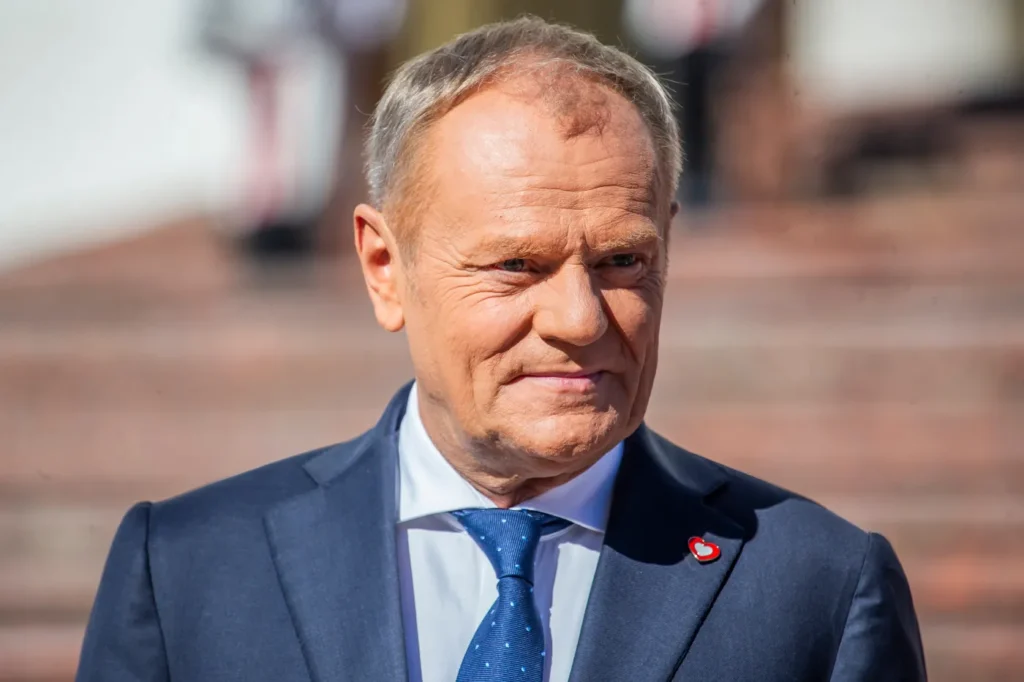
Prime Minister Donald Tusk has refused to countersign nominations for the National Bank of Poland’s management board, effectively halting the appointment process and deepening the institutional crisis within the bank.
Stalled Appointments and Vacancies
Prime Minister Donald Tusk has declined to sign the nomination documents for the National Bank of Poland (NBP) management board, including the candidacy of Marta Kightley for deputy governor. The documents were returned to the President’s Chancellery without the mandatory prime ministerial countersignature, preventing the appointments from proceeding.
Marta Kightley’s term expired on March 8, 2026, leaving the deputy governor position vacant. Following the departure of Piotr Pogonowski, the management board has shrunk further, raising concerns among commentators about the institution’s operational capacity to manage monetary policy.
Escalating Political Conflict
The decision marks a new phase in the protracted dispute between the Tusk government and NBP Governor Adam Glapiński. The current administration has repeatedly criticized the central bank’s handling of high inflation and its delayed policy responses to rising prices.
While reports suggested Glapiński was prepared to offer board seats to figures acceptable to the ruling coalition to reach a compromise, no such agreement was reached. The government has not provided a formal public justification for the refusal to sign, though sources cite a broader loss of confidence in the NBP’s current leadership.
Operational and Economic Risks
The NBP board is legally required to consist of the governor and six to eight members, including two deputy governors. Analysts warn that prolonged vacancies threaten the bank’s organizational efficiency and its credibility on international markets.
The central bank is responsible for price stability, currency issuance, and foreign reserve management. Investors and rating agencies remain focused on the tension, particularly regarding the bank’s independence and the political engagement of its leadership.
Failed Negotiations on Board Composition
There had been behind-the-scenes discussions regarding a restructuring of the NBP board to include individuals closer to the current governing majority. The return of the unsigned documents indicates that these negotiations have collapsed.
As a result, Adam Glapiński remains unable to finalize his team, leaving key leadership positions empty. The conflict over the central bank’s authority and composition shows no signs of resolution, pointing toward further institutional strain.