Polish PM confirms cyberattacks on energy grid, states system is protected; US Institute links attacks to Kremlin’s “Phase Zero” campaign.
Tusk After Urgent Meeting with Services
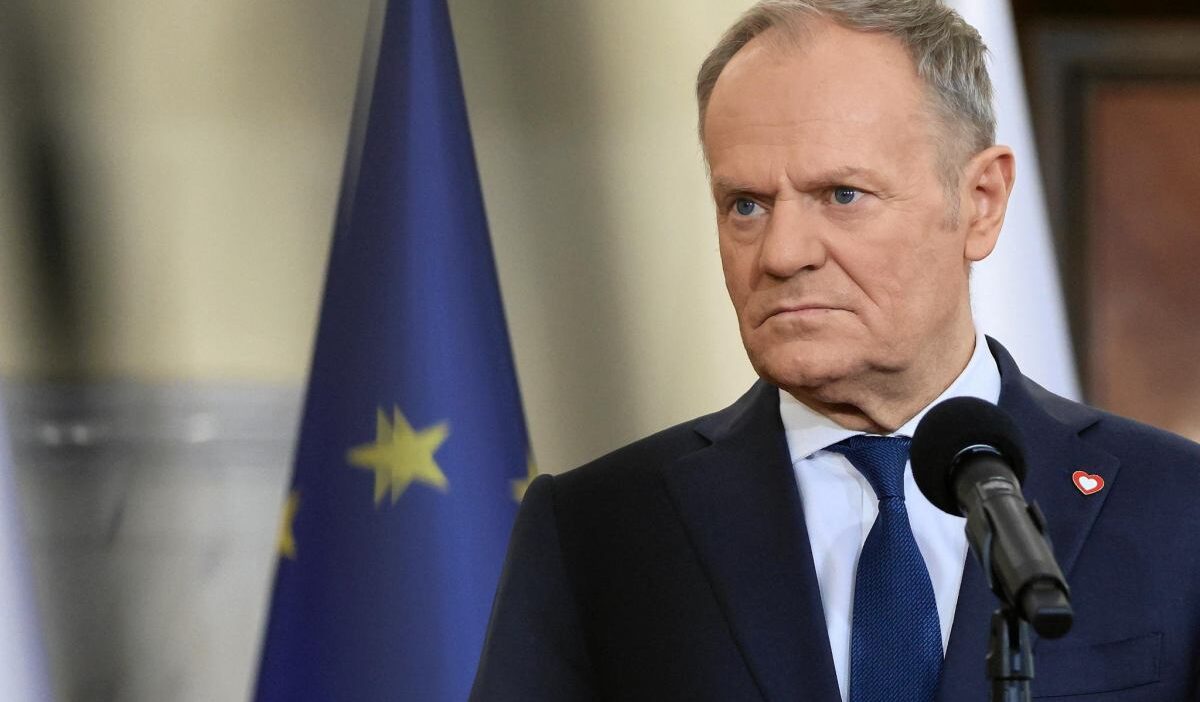
Prime Minister Donald Tusk reported that on December 29 and 30, there were cyberattacks on Poland’s energy network. He stated that Poland defended itself against attempts to destabilize energy infrastructure and that critical infrastructure was never threatened.
“We did not waste the time given to us. Poland’s energy system is protected and resilient to such attacks,” Tusk assured. He admitted there is much to suggest the attacks were carried out by groups linked to Russian services, though he stopped short of claiming definitive evidence.
The Prime Minister noted the targeted attacks were aimed at the system managing electricity from renewable energy sources. Security systems worked to minimize negative effects. Tusk announced additional security measures are being prepared, including a National Cybersecurity System Act to be implemented soon.
ISW Warns Against “Phase Zero”
The American Institute for the Study of War reported that recent cyberattacks in Poland are part of a Kremlin campaign called “Phase Zero,” which aims to create political, informational, and psychological conditions for a potential future war against NATO.
US experts had already written about this Moscow campaign in October last year, assessing that Russia appears to be accelerating “Phase Zero.” The report states Russia is implementing long-term actions that may constitute preparations for war with NATO, such as reorganizing military districts on the western border and expanding military bases near Finland.
ISW has not observed signals indicating Russia is currently preparing for a direct, inevitable confrontation with NATO.
Deputy Minister of Digitization After Meeting with Prime Minister
Deputy Minister of Digitization Paweł Olszewski confirmed that a conversation with the Prime Minister concerned growing cases of cyberattacks. “We talked about the scale and dynamics of threats, which have been clearly increasing in recent months,” Olszewski stated.
The Deputy Minister assured that the state is effective in this matter, services remain on alert, and all actions are tailored to changing threats. “It was a substantive discussion about service coordination, system resilience, incident response, and strengthening cybersecurity,” summarized Olszewski.