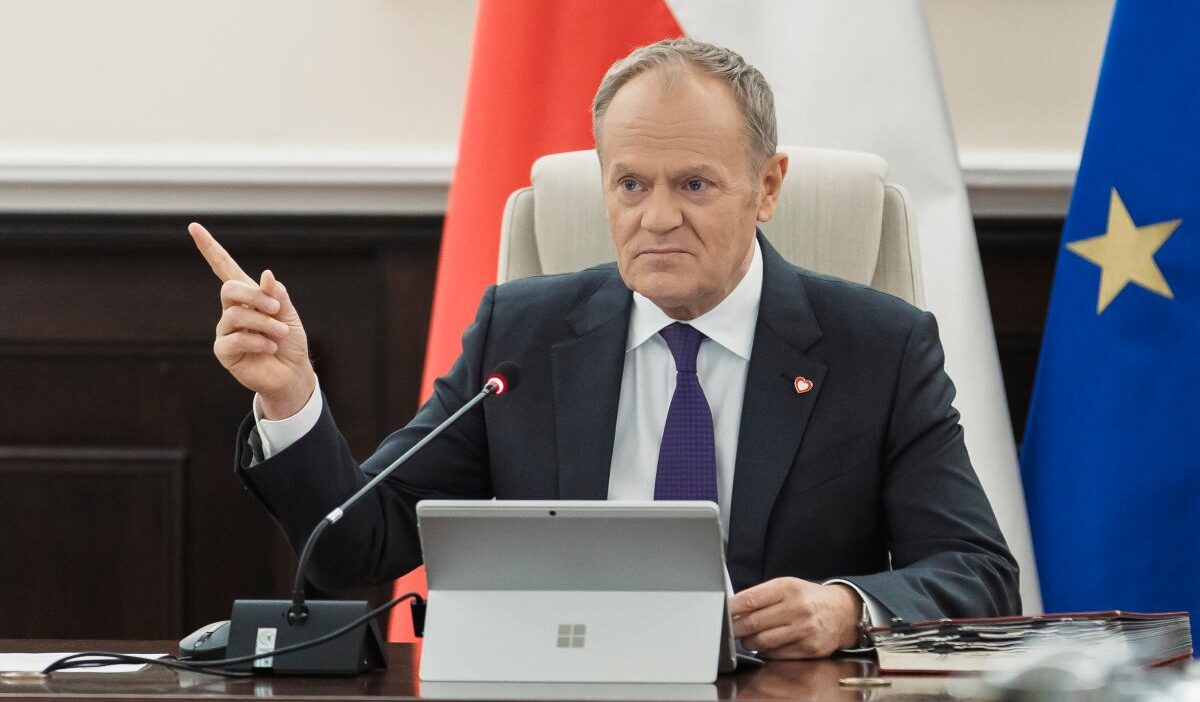
Poland’s Civic Coalition (KO) is finalizing internal elections following Donald Tusk’s reaffirmed leadership, with potential changes to key positions after Easter.
Election Controversies in Two Regions
The KO elections, unfolding alongside broader political issues like disputes between the government and the Presidential Palace over the SAFE program and Constitutional Tribunal appointments, have been marked by controversy in Lower Silesia and Subcarpathia.
In Lower Silesia, Deputy Minister of Development Michał Jaros narrowly retained his leadership position, defeating Sejm Vice-Marshal Monika Wielichowska by only six votes. In Subcarpathia, Paweł Kowal, Chairman of the Sejm Foreign Affairs Committee, unexpectedly won against MP Joanna Frydrych. Both losing candidates have filed protests with the party’s election commission, which are expected to be dismissed to avoid further division.
Regional Elections Continue
Despite the controversies, KO elections are ongoing, with regional boards selected last weekend in Mazovia and Greater Poland. Further elections are scheduled for the end of this week.
Michał Jaros intends to finalize the election process, potentially appointing his opponent, Monika Wielichowska, as a regional vice-chair. A KO politician stated the need to resolve regional leadership issues promptly.
New Secretary General?
The final stage of the KO elections – following the absorption of Modern and Poland Initiative structures – will occur after Easter. A meeting of the National Council is expected in mid-April to elect the Civic Coalition’s board.
Sources indicate Donald Tusk wants to conclude regional elections before addressing national leadership positions. The board will include regional leaders, the KO parliamentary club leader (currently Zbigniew Konwiński), and senior members of the Sejm and Senate presidia, along with the KO delegation leader in the European Parliament (Andrzej Halicki).
Potential Leadership Changes
The National Council will appoint vice-chairpersons (up to 15), a treasurer, a secretary-general, and additional board members (up to 10). After six years, a change in the secretary-general position is likely.
Internal Affairs Minister Marcin Kierwiński, despite his strong position, is considered too busy with his ministerial duties for the dual role. Former Health Minister Izabela Leszczyna, currently a vice-chairperson, is being discussed as a potential successor, with the expectation she would accept Tusk’s request.
The Future of Monika Wielichowska
Monika Wielichowska was previously considered a frontrunner for the secretary-general position, but her protest following the Lower Silesia election, and a public statement alleging irregularities – including concerns about the secrecy of the vote and campaigning for her opponent – have damaged her prospects.
Some party members view her actions as a reluctance to accept defeat and unnecessary disruption of the Lower Silesia elections. Wielichowska may still find a place on the board as a representative of the Sejm presidium, dependent on Tusk’s decision.
Expanded Vice-Chair Roles
When Platforma Obywatelska transformed into Civic Coalition last year, the statute was amended to increase the number of vice-chairpersons from 10 to 15. Tusk reportedly intends to retain all current vice-chairpersons, including Warsaw Mayor Rafał Trzaskowski, former PO leader Borys Budka, Deputy Defense Minister Cezary Tomczyk, Izabela Leszczyna, and Dorota Niedziela.
New Vice-Chair Nominees
Former leaders of Modern and Poland Initiative – government spokesman Adam Szłapka and Education Minister Barbara Nowacka – are expected to join the group of vice-chairpersons. Foreign Minister Radosław Sikorski and Finance Minister Andrzej Domański are also potential candidates.
A KO politician stated that Tusk will likely make these appointments directly after Easter, simply designating individuals to the roles. The premier is scheduled to meet with Civic Coalition parliamentarians on Wednesday evening before the holidays.