


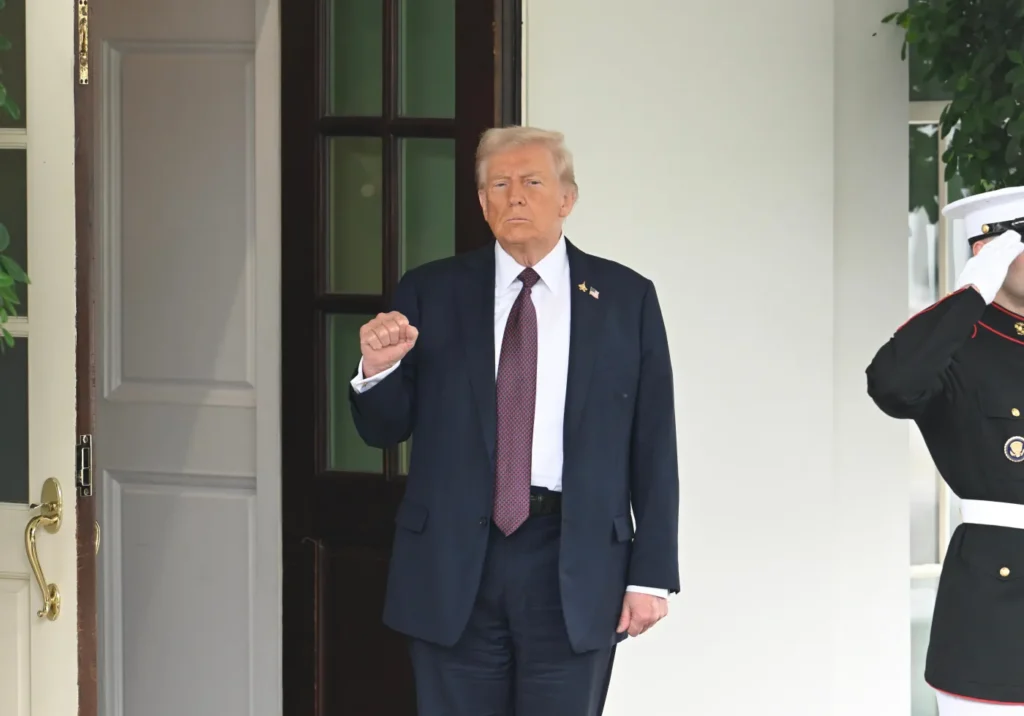
President Trump decided to suspend a potential military attack on Iran at the last moment, seeking a unified negotiating position from Tehran.
Trump Suspends Attack, Seeks Iranian Proposal
President Donald Trump has decided to extend a de-escalation with Iran. The ceasefire, which was set to expire overnight, will remain in effect until negotiations conclude or a joint proposal is presented by authorities in Tehran.
The decision was made despite the lack of an official response from Iran and ongoing military tensions in the region.
Pakistan’s Role in Mediation
Trump stated the pause in offensive actions came, in part, at the request of Asim Munir and Shehbaz Sharif. Pakistan is attempting to secure a unified Iranian negotiating stance to facilitate continued talks with the U.S.
U.S. Conditions for De-escalation
“We were asked to hold off the attack until the Iranian leaders present a unified proposal,” Trump conveyed.
Military Readiness Maintained
The U.S. President emphasized that U.S. armed forces remain at full readiness. A naval blockade of Iranian ports has also been maintained, signifying continued military pressure despite the formal ceasefire.
Tehran’s Silence and Ormuz Strait
Iranian authorities have not issued an official statement regarding Washington’s decision. Iranian state media reports indicate Tehran did not seek an extension of the ceasefire.
Warnings have emerged that Iran will maintain a blockade of the Strait of Hormuz if the United States does not lift the port blockade. This key shipping lane for global oil supplies could significantly impact energy prices if disrupted.
Stalled Talks and Canceled Negotiations
A planned round of talks did not take place. J.D. Vance did not travel to Pakistan for a meeting with Iranian representatives.
The White House stated the decision was due to the lack of a response from Tehran. U.S. media reports suggest the administration awaits a position from Mojtaba Chamenei, which will determine the future direction of talks.
Trump’s Threats and U.S. Military Pressure
Trump previously warned that if negotiations fail, the United States would resume military action, potentially targeting critical Iranian infrastructure like bridges and power plants.
The decision to halt these actions followed a White House meeting with J.D. Vance, Defense Secretary Pete Hegseth, and Secretary of State Marco Rubio.
The U.S. administration maintains a strategy of pressure, providing time for negotiations while retaining the credible threat of military action.
Disagreement Over Terms and Political Tensions
In recent days, both sides have accused each other of violating the ceasefire. Iranian authorities have stated they will not negotiate under the pressure of threats.
Iranian President Masud Pezeshkian indicated that U.S. actions are perceived as an attempt to force capitulation. “Iranians do not surrender to force,” he emphasized.
Trump’s public statements also pose a challenge. U.S. media reports indicate Iranian negotiators negatively assessed his declarations suggesting a swift resolution and full Iranian compliance with U.S. demands, including the removal of enriched uranium stockpiles.