The United States, hosting the G20 summit in Miami in December 2026, has officially invited Poland to attend, while South Africa is excluded.
Location of the 2026 G20 Summit
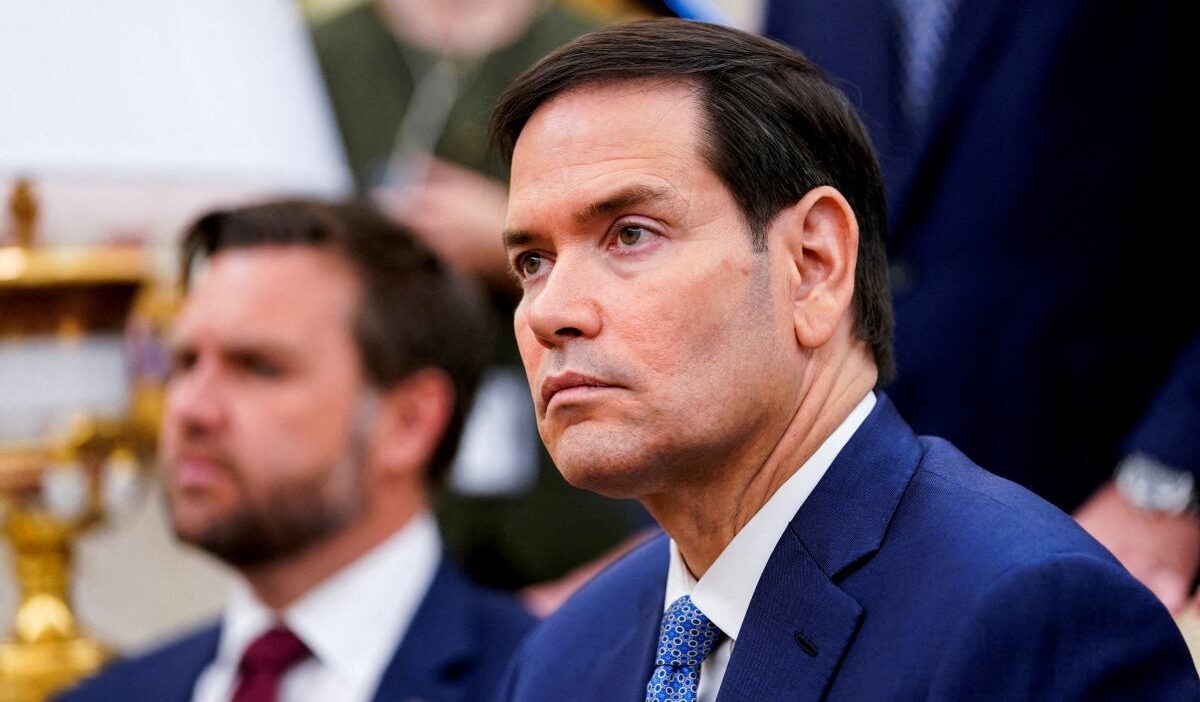
In a communiqué issued on December 4, U.S. Secretary of State Marco Rubio announced that the 2026 G20 summit will be held in Miami. The event, scheduled for mid‑December, will coincide with the United States’ 250th anniversary.
Rubio highlighted that the summit will bring together the world’s largest economies and that Poland, having transitioned from communism to one of the biggest economies, will serve as an example of international cooperation and forward‑looking partnerships.
Poland’s Invitation
Rubio said, “We will invite friends, neighbors, and partners to the U.S. G20 summit. We will welcome the world’s largest economies, as well as emerging partners and allies, at the American table.” He emphasized the special invitation extended to Poland.
He noted that Poland, once trapped behind the Iron Curtain, now ranks among the top twenty economies and should take its well‑deserved place at the G20. Rubio also remarked that “Poland’s success proves that focusing on the future is a better path than dwelling on past injustices, and that partnership with the United States and U.S. firms can foster mutual prosperity and growth.”
South Africa Excluded from Participation
Rubio also stated that “President Trump and the United States will extend the invitation to the South African government for participation in the G20 during the American presidency, but there is room for honest debate, not for unfairness or sabotage.” He explained that South Africa’s economy is burdened by regulations driven by racial resentment and that it has fallen far behind the group of the world’s 20 largest industrialised economies.
Rubio accused the South African government of blaming the United States for the country’s current situation, alleging that the government pursues personal enrichment while the economy stagnates, leaving citizens vulnerable to violence, discrimination and land confiscation without compensation. He said that the policy of resentment was also evident during South Africa’s G20 presidency earlier this month, describing the effort as “malicious, divisive, and driven by radical demands that bear no relationship to economic growth.” He added that prior joint statements had been ignored and that the U.S. and other countries’ input was blocked in negotiations, severely damaging the reputation of the G20.