The United States, after signaling potential military withdrawals from Europe, is now requesting assistance from European allies for operations in the Middle East, according to a Polish report.
U.S. Shifts Strategy, Seeks European Aid
Months after threatening to reduce its military presence in Europe, the United States is now seeking support from European nations, particularly access to military bases and NATO assistance for its Middle East operations. General Bogusław Pacek suggests this shift indicates a growing U.S. need for European cooperation.
European Bases Crucial for Potential Iran Strike
A potential U.S. attack on Iran would be significantly hampered without access to military bases located in Europe, which played a key role in the initial stages of the “Epic Fury” operation.
Analysis by the Centre for Eastern Studies (OSW) revealed the importance of these bases, specifically noting the deployment of 12 F-16CJ fighters from Italy and approximately 30 F-35 and 36 F-15E aircraft from the United Kingdom.
Around 50 aerial refueling tankers were also stationed across European bases in Portugal, the UK, Germany, Spain, Italy, Greece, and Bulgaria, with roughly 20% of all air forces involved in the early stages of Epic Fury previously based in Europe.
Romania Grants Access After Troop Reduction Discussions
The U.S. recently requested access to Romanian military bases for further air operations against Iran, a request Romania has granted. This includes the deployment of aerial tankers, monitoring systems, satellite communication equipment, and several hundred personnel to operate them, stationed at Mihail Kogălniceanu and Câmpia Turzii bases.
This request came just months after the White House decided to reduce the number of U.S. troops stationed in Romania on a rotational basis.
Trump’s Pressure Tactics and Congressional Response
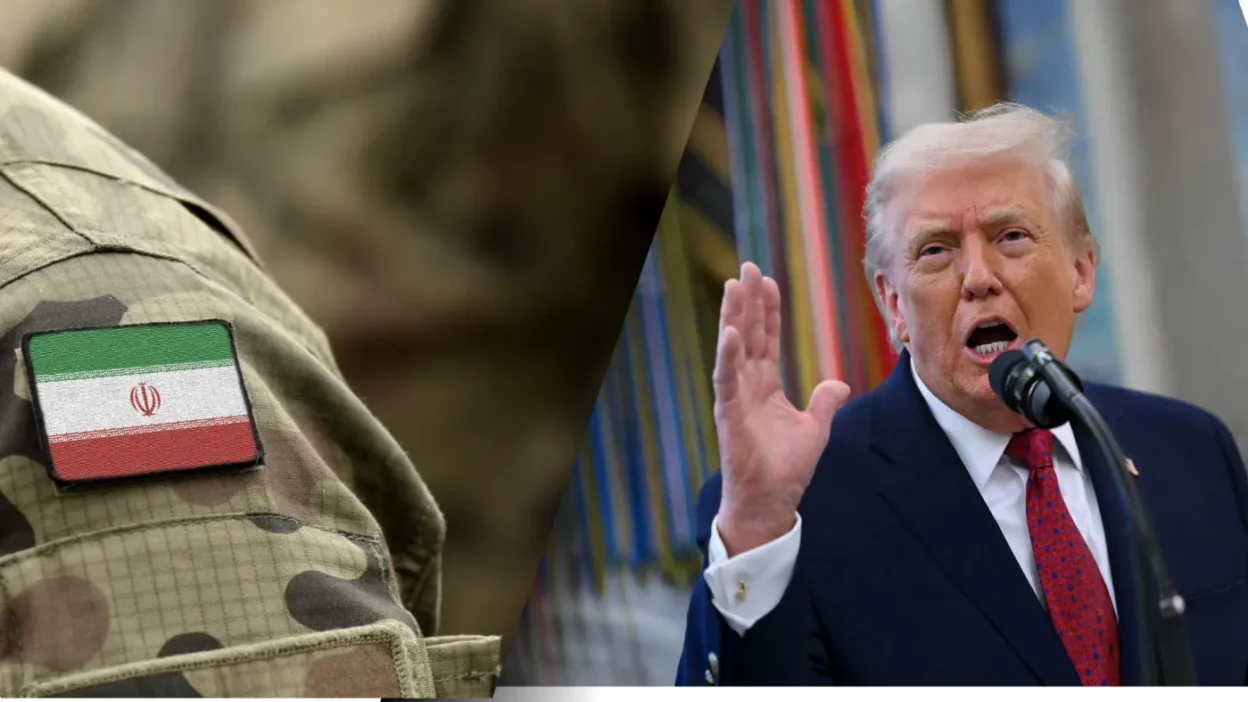
President Donald Trump consistently emphasized the need for Europe to take greater responsibility for its own security, threatening troop withdrawals as a means of pressure.
In May 2025, then-U.S. Ambassador to NATO Matthew Whitaker stated the U.S. had sought a reduction of troops in Europe for over 30 years, and Trump was determined to achieve it.
Concerns over these potential withdrawals prompted the U.S. Congress to pass legislation in December 2025, preventing the President from permanently reducing troop levels in Europe below 76,000. As of late 2025, approximately 80,000 U.S. soldiers were stationed in Europe.
Shifting Priorities and Renewed Focus on Iran
Discussions about troop withdrawals subsided in early 2026 as the U.S. focused on regime change in Venezuela and heightened tensions surrounding Greenland. With the start of Operation Epic Fury in March, Trump began to reassess the importance of European allies.
NATO Allies Hesitant to Engage
Initially, some European nations refused to allow the use of their bases for an attack on Iran, including Spain and the UK (though the UK later reversed its position after an Iranian attack on the Akrotiri base in Cyprus). After two weeks of bombing, Trump appealed to NATO allies to help unblock the Strait of Hormuz.
Trump expressed frustration that the U.S. had assisted Europe with Ukraine, and now expected reciprocal support, questioning whether European allies would reciprocate.
Germany and Greece declined to participate in securing the Strait of Hormuz, while France favored a diplomatic approach. British Prime Minister Starmer announced a commitment to reopening shipping lanes but cautioned against being drawn into war.
U.S. Aims to Share Costs and Internationalize Conflict
General Pacek believes the U.S. recognizing its need for Europe was inevitable, and doesn’t anticipate European nations seeking retribution for Trump’s earlier threats, given concerns about Russian aggression.
Pacek suggests that the risk of retaliation from Russia is too great to jeopardize relations with the U.S., even considering Trump’s rhetoric. He emphasizes the significant risks associated with involvement in a conflict with Iran.
The General notes the difficulty of framing potential military action as a collective NATO mission, as the U.S. has not been directly attacked. However, he acknowledges Trump could argue that American soldiers stationed abroad are under threat.
Drawing parallels to the wars in Iraq and Afghanistan, Pacek believes the U.S. is attempting to replicate the strategy of building international coalitions to share the financial burden, estimating the cost of a two-month war with Iran could equal two years of aid to Ukraine.