


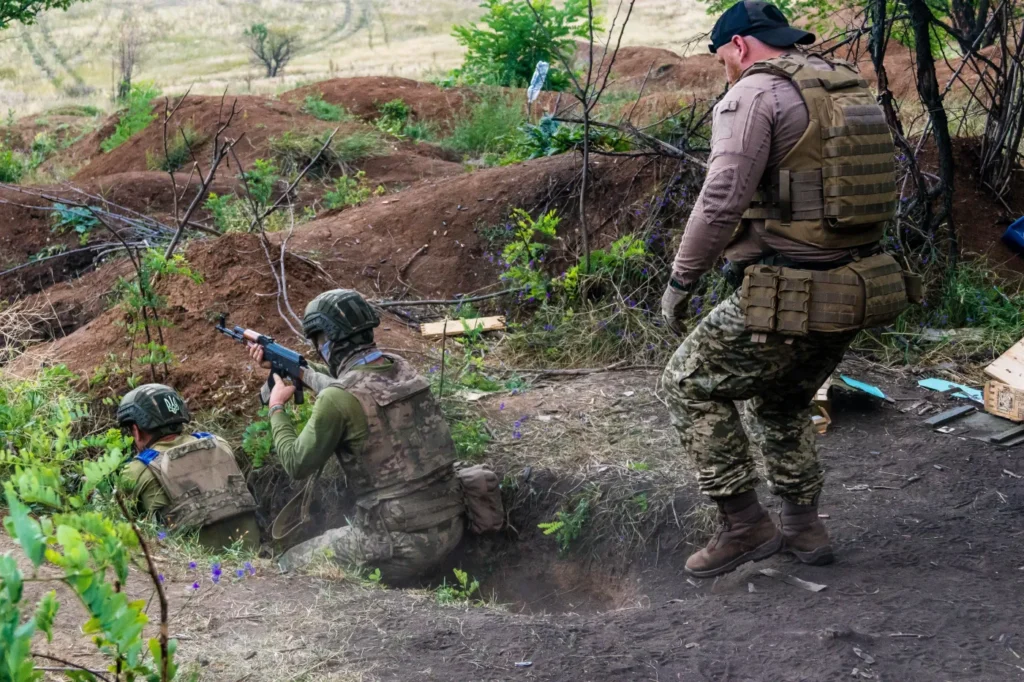
The commander of Ukraine’s Unmanned Systems Forces (SBS) announced intensifying drone strikes reaching 1500 km into Russian territory, targeting energy facilities and military personnel.
Strikes to Intensify, Targeting Energy and Personnel
Ukrainian long-range drone attacks on Russian territory will increase, primarily targeting energy facilities and military personnel, according to Major Robert Browdi, commander of Ukraine’s Unmanned Systems Forces (SBS), in a BBC interview published Monday.
Browdi stated that the SBS constitutes only 2% of the Ukrainian military but is responsible for destroying one-third of all targets. The interview took place at a secret drone launch site in eastern Ukraine.
Attacks on FSB and Energy Infrastructure
Over the past week, Browdi’s forces reportedly eliminated several members of the Russian Federal Security Service (FSB) in occupied Ukraine and attacked multiple energy facilities within Russia.
Justification for Attacks: Disrupting Russian Funding
Browdi explained the attacks by stating that Russian President Vladimir Putin extracts natural resources and converts them into “bloody dollars” used against Ukraine in the form of Shahed drones and ballistic missiles.
Documented Casualties and Impact on Russian Forces
Browdi emphasized that 30% of all attacks must target military personnel, a goal achieved over the past four months. He stressed the need to document the death of each Russian soldier with video footage, believing increased casualties will slow Russian military advances.
Expanding Range of Attacks
“1500-2000 km into Russian territory is no longer safe rear areas,” Browdi declared.
Technology and Russia’s Financial Losses
The increase in long-range drone attacks is attributed to advancements in technology, with locally produced drones becoming cheaper and capable of longer flights, according to the BBC.
Economic Impact of Attacks on Oil Infrastructure
On April 18th, the SBS reported that Ukrainian attacks on Russian oil infrastructure are causing daily losses of $100 million to Russia, disrupting oil transshipment in ports, complicating logistics, and forcing changes in transportation routes.