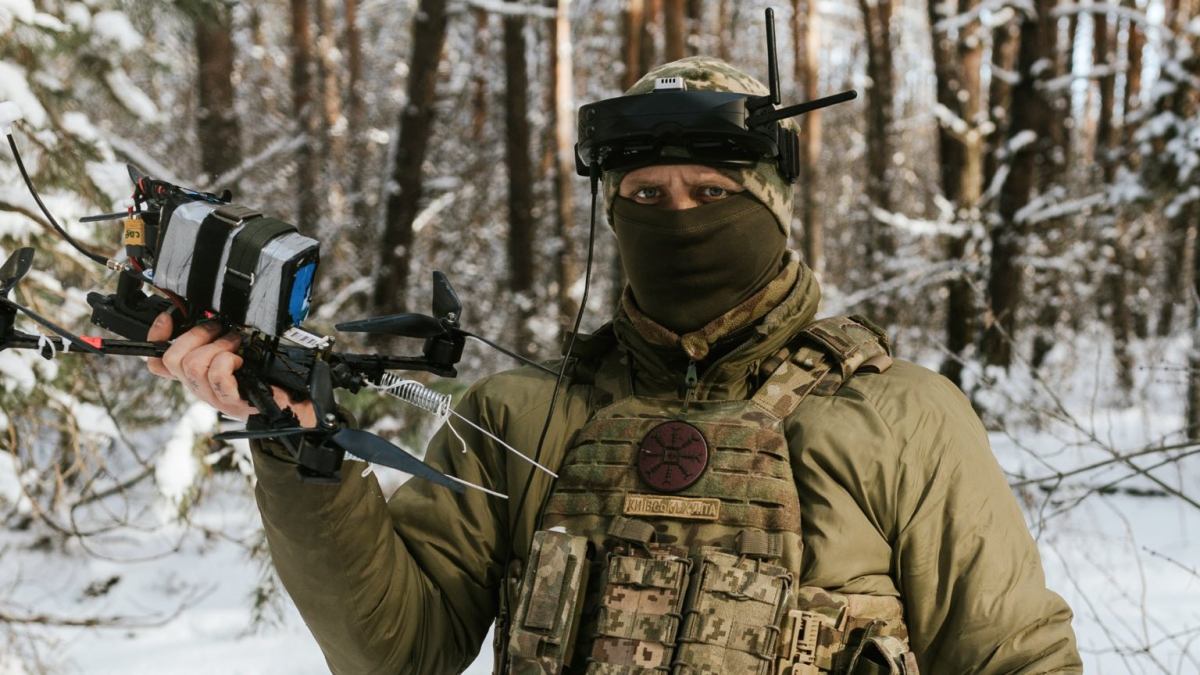
Ukrainian forces have developed a new tactic to neutralize Russian drone dominance on the battlefield, resulting in the recapture of approximately 400 square kilometers of territory.
Ukrainian Breakthrough on the Zaporizhzhia Front
Recent developments along the border of the Donetsk, Zaporizhzhia, and Dnipropetrovsk regions indicate a Ukrainian offensive launched in late January. The operation, conducted under a degree of censorship, has yielded significant gains.
Analysts report that Ukraine has found a method to attack and advance, overcoming years of stagnation caused by the combination of drones, artillery, and mines. This new tactic focuses on suppressing Russian drone activity in specific areas.
Creating ‘Clean Skies’ for Offensive Operations
Under this “clean sky” umbrella, Ukrainian forces are able to deploy armored vehicles without the immediate threat of drone swarms. The ability to plan, coordinate, and execute such an operation is a substantial achievement.
In a month and a half, Ukrainian forces have reclaimed around 400 square kilometers, an area Russia previously seized over five months at a higher cost.
Strategic Shift in the Hulaypole Sector
The offensive centers on the area north of Hulaypole, occupied by Russia in January. Ukraine had been steadily losing ground in this region since early autumn, though it wasn’t a primary Russian focus. A decision was made to deploy strategic reserves from the General Staff for a counteroffensive.
Instead of continuously reinforcing a failing defense, Kyiv opted to utilize its best airborne and assault troops, held in reserve, to strike at Russian forces and regain the initiative.
Exploiting Weaknesses in Russian Deployment
Ukrainian forces deliberately targeted an area with a low density of Russian troops – a vast grey zone where small groups occupied villages, supplied by drones. There was a lack of defensive fortifications, such as minefields.
Russian forces had limited resources in the area and were stretched thin after months of successes, making it a vulnerable point for attack.
Neutralizing Drone Capabilities
Russian drone operator positions were meticulously identified and subjected to intense attacks from Ukrainian drones, artillery, and electronic warfare systems. This effectively eliminated Russia’s ability to use drones across the entire front line.
Without drones, Russian defense became significantly more difficult. While drones supplement Ukraine’s manpower shortages, they are crucial to Russian combat operations for reconnaissance, attack, and logistics.
Impact of Starlink Disruption
The Ukrainian offensive coincided with SpaceX disabling Starlink satellite communication systems used by Russia. Only systems registered with Ukrainian authorities are now operational in Ukraine.
While some reports suggest this had a major impact, analysts believe it was less significant than the drone suppression, primarily affecting Russian land-based drones. It did cause some communication issues, but not enough to substantially alter the pace of Russian operations.
Long-Term Implications and Tactical Lessons
The Ukrainian operation, initiated in late January, is ongoing. While Russia has been pushed back in some areas, Ukraine has not fully reversed Russian gains around Hulaypole. This offensive is not a strategic breakthrough that has changed the course of the war.
However, Ukraine appears to have developed a new offensive tactic that works in an environment of widespread drone use. If refined and deployed beyond elite units, it could make the war significantly more difficult for Russia.
Comparing Ukrainian and Russian Approaches
The success of the Ukrainian operation, compared to the heavy losses and slow progress of Russian forces near Lyman, highlights the effectiveness of the new tactic and careful planning. Lyman, a key city northeast of Hulaypole, is under heavy Russian assault.
Ukrainian forces have demonstrated greater effectiveness in offensive operations, while Russian forces continue to rely on traditional methods, resulting in substantial casualties.
The Future of Maneuver Warfare
Analysts believe this approach is repeatable and could enable Ukraine to conduct maneuver warfare again this year, utilizing armored and mechanized forces through a combination of drone suppression and vehicle protection systems.
Shield vs. Sword: The Evolving Battlefield
Experts have cautioned against overestimating the potential of drones, arguing that they do not necessarily signal the end of tanks or traditional maneuver warfare. They emphasize the importance of combined arms operations.
Drones have rapidly evolved and gained prominence, but countermeasures are also being developed. The ongoing “arms race” between offense and defense will continue, as seen throughout military history.
Russia is likely to attempt to replicate Ukraine’s success or find a countermeasure, but its lack of innovation in the past two years suggests limited prospects.