


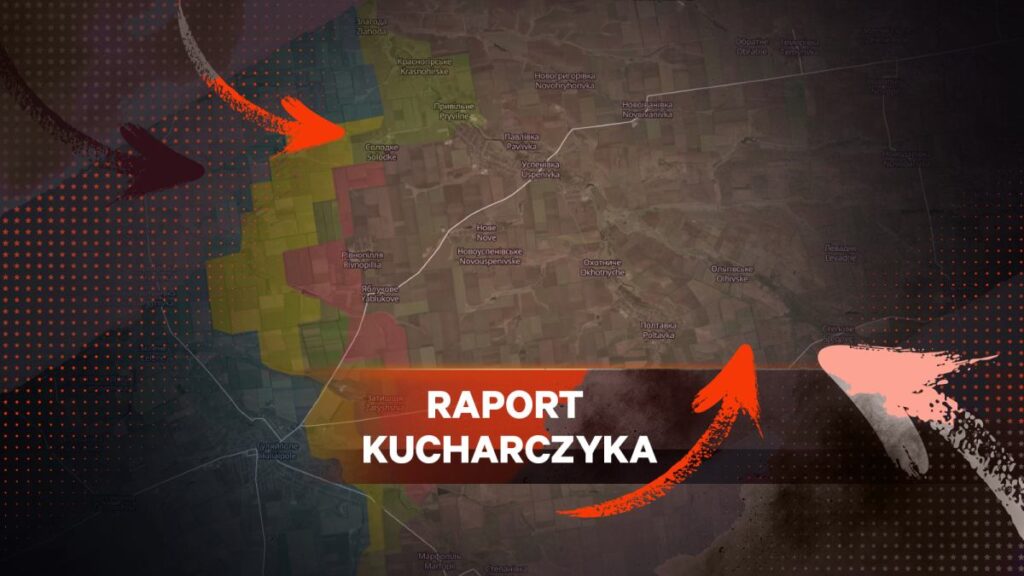
DeepState reports Russia occupied 505 km² in Ukraine in November, lower than the 707 km² noted by Konrad Muzyka, while losses in Huliaipole remain acute.
Territorial Losses: 505 Versus 707 km²
DeepState claims Russia occupied 505 square kilometres of Ukrainian territory in November, whereas the consultancy figure by Konrad Muzyka lists 707 km². This discrepancy reflects the ongoing contest over frontline data.
Intensified Russian Attacks
Russia launched 5,990 attacks in November, a record for the year and the second highest since such statistics began. Most of these occurred in December, possibly to frame a favourable narrative for Kremlin negotiations.
Huliaipole: Major Russian Gain
In Huliaipole, DeepState attributed 40 % of all territorial acquisitions to Russia, while attacks there were only 16 %. Muzyka’s data records a 39.6 % loss of Ukrainian-held land in the area. Ukrainian deterrence has stalled despite reallocating modest reserves.
Pokrovsk and Siewiersk‑Lyman: Donetsk Setback
Pokrovsk fell to Russian forces in October, with about half the town under Russian control by mid‑November, leaving the rest grey‑zone. Simultaneously, Russian infiltrators routinely control Siewiersk north of Bakhmut, pushing through forested, swampy Donets Valley to capture Lyman, a former rail hub now a pivotal defence point before Ukrainian withdrawal to Slavyansk and Kramatorsk.
Kupiansk: Stalled Russian Gains
Although Russia seized the city centre in October, subsequent advances halted. Urban control remains divided, with significant portions still under Ukrainian jurisdiction, while the surrounding eastern positions weakened by losses along the Osik river flank.
Slow Russian Pace and Negotiation Context
Russian expansion remains incremental, with limited territory gains and continued attacks. Meanwhile, Kyiv battles morale decline and logistical coordination failures, leaving the Ukrainian army unable to clear heavily damaged positions and hampering progress in negotiations with Washington.