


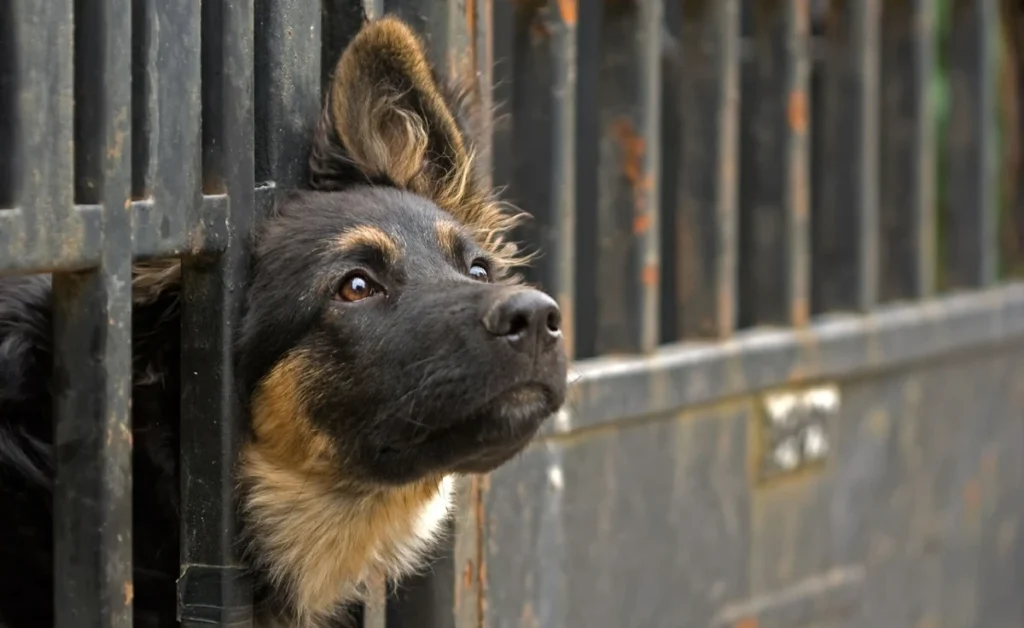
Poland’s animal shelter system faces criticism for administrative failures despite strict enforcement elsewhere, revealing systemic weaknesses in state governance.
Systemic Failures in Animal Shelter Oversight
Poland’s state appears “theoretical” in some areas, as Bartłomiej Sienkiewicz might say. Despite numerous laws and regulations, spaces exist where chaos, stagnation, and randomness prevail. While regular inspections claim to find no clear violations, activists and authorities face administrative barriers when attempting to address dysfunctional institutions, allowing lawbreakers to slip through.
Political Opportunism and Public Skepticism
The recent shelter controversy reveals additional dimensions. First is the politically opportunistic initiative of politicians who suddenly discovered the importance of animals to people, attempting to claim credit for others’ achievements. Prime Minister Donald Tusk expressed sympathy for suffering animals, yet faced clear derision from voters.
The Unregulated World of Animal Donations
The second dimension is the Polish public’s relationship with animals. Regardless of the assessment in the Sobolew shelter case, the topic has sparked significant social emotions. At the same time, Poland has a highly disorganized area of animal collections with practically no institutional oversight, and if media reports are accurate, some use these as vehicles for embezzlement.
The Spiral of Unregulated Empathy
Charitable activities for animals have begun to resemble a never-ending spiral in which people genuinely believe they are helping these creatures. Each collection for animal treatment or surgery and the response to it has made such actions more numerous—not only for animals truly in need but also as a money-making machine for scammers.
Questionable Practices and Systemic Solutions
Questions arise about whether maintaining chronically ill animals might become profitable for dishonest people, or even their reproduction in the case of genetically sick animals, potentially leading to greater suffering. The author acknowledges concern for animals but recognizes that blind sentimentalism is not always socially beneficial. The shelter issue should be resolved systematically, with the state not shifting responsibility to activists.