


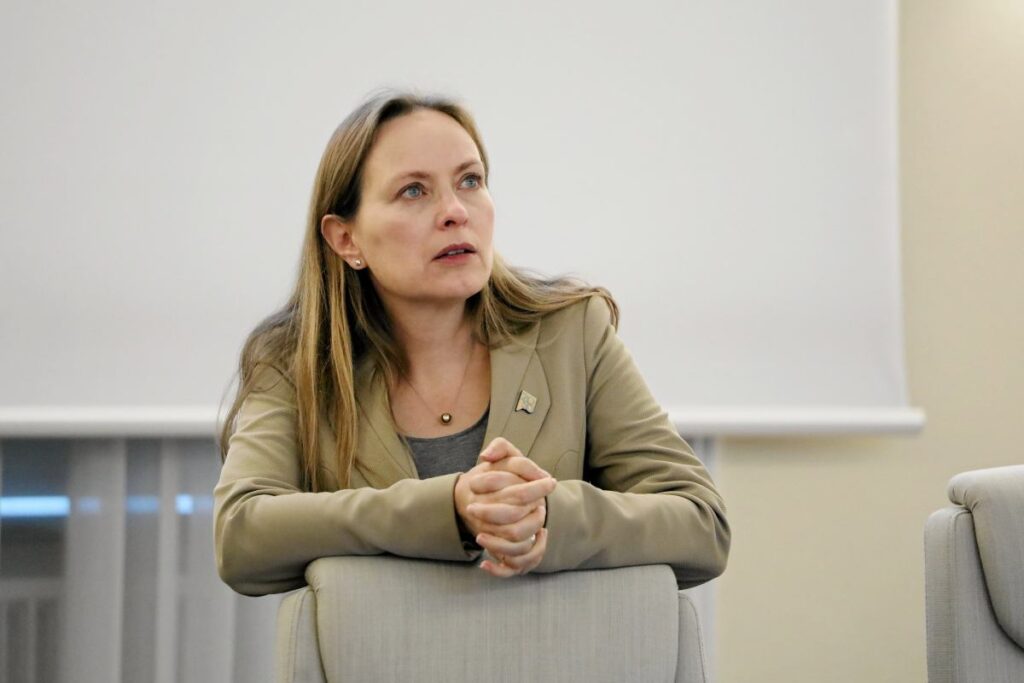
New leader Katarzyna Pełczyńska-Nałęcz faces internal strife in Polska 2050 after a narrow win, with ministers boycotting unity meetings.
Leadership Victory Reveals Deep Divisions
Katarzyna Pełczyńska-Nałęcz became leader of Polska 2050 on January 31, narrowly defeating minister Paulina Hennig-Kloska in a repeat runoff. She won 350 votes to her rival’s 309, exposing deep factional splits during the campaign. Politicians publicly accused each other on X of conspiracies and leaking party secrets.
Despite winning, Pełczyńska-Nałęcz seeks reconciliation. She recommended Hennig-Kloska and rival Rafał Kasprzyk for the party board. On Tuesday, she scheduled a meeting of new leadership with the parliamentary club at 8:30 AM at the Ministry of Funds and Regional Policy. Hennig-Kloska will not attend, citing a ministry leadership meeting.
Boycott Over “Sweet Photos” Criticism
Supporters of Hennig-Kloska vow to boycott the meeting. “I won’t participate,” stated one politician. “Everyone knows why this meeting is called—to let Katarzyna take photos and show who supports her. I don’t need such sweet photos.”
Another MP expressed skepticism: “I’m unsure if I’ll go. We have a Sejm session and should focus on legislation, not commemorative photos for the chairwoman to demonstrate club support before her meeting with the prime minister. The ministry isn’t for photos with MPs.”
Hołownia vs. Koniuch in Vice-Chair Vote
Saturday’s remote National Council meeting elected four new vice-chairmen, including party founder Szymon Hołownia, who will become honorary chair pending a statute change. His nomination required a revote after he tied with Michał Koniuch. Pełczyńska-Nałęcz backed Hołownia; Hennig-Kloska supported Koniuch.
Hołownia won the revote. Other vice-chairmen include Hennig-Kloska, Kasprzyk, and MP Sławomir Ćwik. Though Pełczyńska-Nałęcz recommended Hennig-Kloska and Kasprzyk for the board, their nominations required seconding by opponents—Ewa Szymanowska for Hennig-Kloska, and Hennig-Kloska herself for Kasprzyk and Ćwik.
Statutory Conflict and Power Balance
Disputes arose over electing four or five vice-chairmen. Supporters of Hennig-Kloska pushed for five to balance Pełczyńska-Nałęcz’s influence. Four were chosen, allowing her to fill six of ten board positions with her allies. The party’s ambiguous constitution allows 10–11 board members but lists 11 roles, including up to five vice-chairs.
Earlier decisions by Pełczyńska-Nałęcz, like appointing Ewa Schädler as first vice-chair (seen as a slight to Hennig-Kloska from the same region) and retaining Robert Sitnik as secretary general (accused of negligence regarding a shelter closure), fueled discontent. “If the chairwoman wanted unity, she’d offer Paulina the deputy chair,” quipped a Hennig-Kloska supporter.
Impending Schism Over Alexandra Leo
Polska 2050’s parliamentary club will meet Tuesday, likely addressing Alexandra Leo’s removal as first deputy club chair—a decision by club head Paweł Śliz unrecognized by some MPs. Her supporters vow to challenge it, citing a pre-election agreement for Leo to hold the role. Leo was sanctioned in January for initiating a procedure to fill National Council seats without Śliz.
Leo’s backers argue she had the right to act and that Śliz’s order was backdated and invalid. “We won’t let this go,” stated sympathetic MPs. “The deal when electing Pawel was that Ola would be first deputy chair.”
Atmosphere in the party is described as “so bad that a split is just a matter of time.” One politician warned: “If the chairwoman continues managing like this, sooner or later someone will say enough.”