


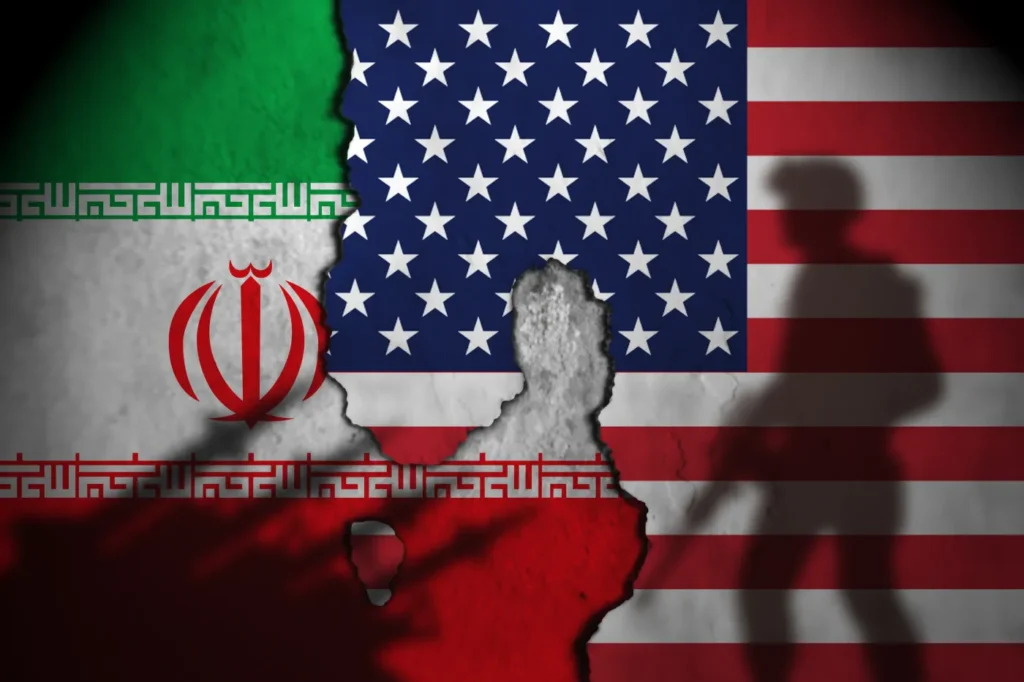
The Trump administration is reportedly analyzing scenarios, including military options, to seize or secure Iran’s highly enriched uranium.
US Prepares for Potential Iran Operation
The Trump administration is evaluating scenarios for acquiring Iranian nuclear material, according to US media reports, considering both special operations and broader military action. A final decision on the use of force has not yet been made.
Sources indicate advanced discussions within President Trump’s circle regarding securing or seizing Iran’s highly enriched uranium reserves, a strategically significant material with potential military applications.
No Immediate Decision, But Preparations are Real
Currently, no political decision has been made to launch an operation. However, sources close to the administration state that preparations are underway, encompassing specific action plans. One option involves utilizing special forces for highly sensitive and risky missions abroad.
JSOC’s Potential Role
The Joint Special Operations Command (JSOC) would likely play a key role in any potential operation. JSOC specializes in highly confidential missions and previously led operations such as the elimination of Osama bin Laden and counterterrorism efforts in Iraq and Afghanistan.
Scale of Iran’s Nuclear Resources and Security Challenges
The International Atomic Energy Agency (IAEA) data shows Iran possesses approximately 440 kilograms of uranium enriched to 60 percent. This level significantly exceeds the requirements for civilian nuclear energy and approaches the threshold for producing nuclear weapons.
Much of this material is stored in heavily protected facilities, often located deep underground. Iran’s underground nuclear complexes are designed to withstand air attacks and hinder external access.
This presents a major challenge for any potential US operation, requiring precise intelligence and the ability to operate in extremely hazardous conditions, including tunnels.
Logistical Challenges of a Special Operation
Experts emphasize that seizing nuclear material would be a complex logistical operation. The uranium in Iran is stored as uranium hexafluoride, a highly reactive chemical substance in gaseous form.
IAEA Director General Rafael Grossi notes that handling such material requires specialized equipment and safety procedures. While technically feasible, the operation would carry significant risk and complexity.
This necessitates not only securing the material but also its safe transport outside of Iran, requiring coordinated military, logistical, and chemical operations, increasing the mission’s difficulty.
Potential for Broader Military Engagement
Alongside plans to seize uranium, a scenario involving wider military engagement is being analyzed, including the potential deployment of US ground forces to the region, a shift from current strategy.
Despite previous public statements by Donald Trump against sending troops to Iran, internal discussions suggest this option hasn’t been entirely dismissed.
Military officials are also analyzing procedures for potentially detaining Iranian soldiers and paramilitary members, including operational procedures and logistics for their transport.
Risk of Escalation and Geopolitical Context
An operation to seize Iranian uranium would be one of the most risky military undertakings in recent years, requiring action within a country with a robust defense system and significant military potential.
Iran has also developed asymmetric capabilities, including support for paramilitary organizations in the Middle East. Any military operation could lead to a wider conflict involving multiple countries in the region.
Tensions remain high due to previous attacks on Iranian nuclear facilities and international sanctions. The US conducted actions targeting Iranian nuclear-related facilities in 2025, further straining relations.
Pentagon Prepares Contingency Plans
Administration officials state the Pentagon has been tasked with developing possible scenarios, including operational plans, risk assessments, and political consequences.
White House spokesperson Karoline Leavitt confirmed that these actions are currently planning-based, not an automatic initiation of operations, but indicate readiness to decide if deemed necessary.
This involves maintaining a high level of military readiness and conducting intensive intelligence analysis regarding the location and security of Iran’s nuclear resources.