


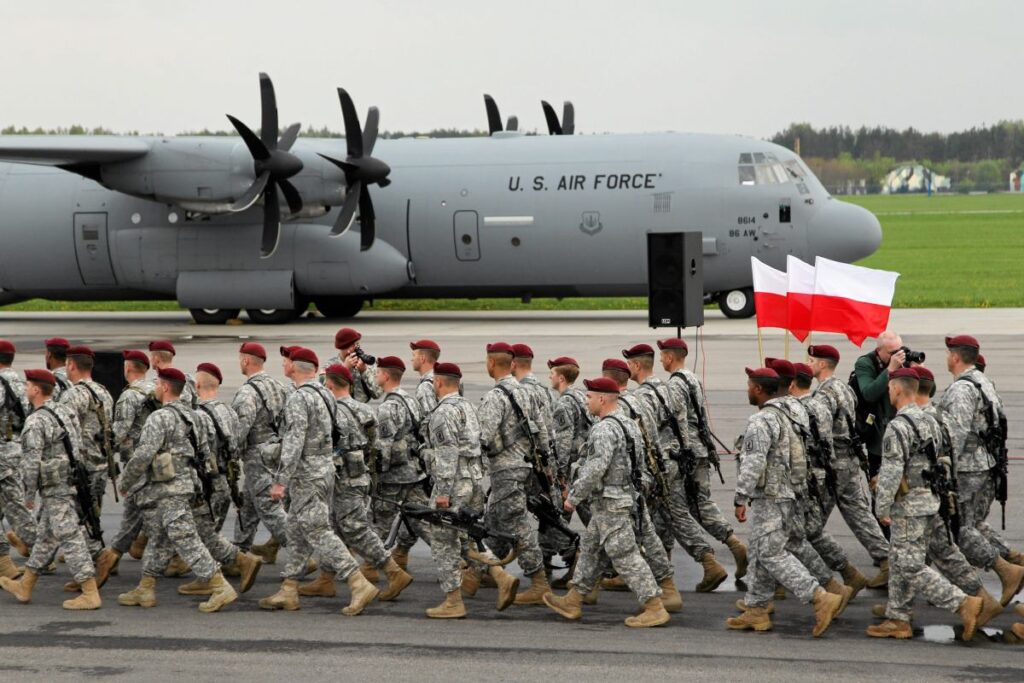
A confidential US Embassy dispatch addressed to Secretary of State Marco Rubio warns that a brief, mid-May reversal of troop rotations severely damaged trust and political relations with Poland.
The Cost of Inconsistent Diplomacy
On May 13, the Pentagon canceled a scheduled rotation of 4,000 American troops to Poland. Nearly a week later, President Donald Trump reversed this decision and announced the deployment of an additional 5,000 soldiers. Despite the pivot, the diplomatic fallout remains significant.
The US Embassy in Warsaw reported that the Polish side viewed the temporary cancellation as a breach of trust. During the days between the Pentagon’s announcement and Trump’s follow-up, Poland experienced profound disappointment, confusion, and genuine concern.
A Damaged Strategic Partnership
The embassy’s dispatch, signed by Ambassador Tom Rose, highlights that the prevailing reaction in Poland is a “sense of betrayal.” This is particularly acute given that President Trump has frequently portrayed Poland as America’s most reliable and dedicated ally in Europe.
Inconsistent communication between the current and previous US administrations exacerbated the crisis. While Joe Biden initiated the rotations following Russia’s full-scale invasion of Ukraine, the nature of these deployments—temporary rather than permanent—was never clearly communicated to the public, allowing them to be perceived as long-term security guarantees.
Political Consequences and Proposed Solutions
The report notes that the uncertainty undermined political allies of the current administration, including Karol Nawrocki. It warns that such instability could pressure the region to abandon reliance on American defense systems, accelerate EU defense integration at the expense of US interests, and fuel anti-American narratives.
To mitigate these risks, the embassy proposed shifting from large-scale armored rotations to a smaller but permanently established presence. This strategy would focus on command, logistics, air defense, and rapid reinforcement capabilities, potentially saving millions of dollars compared to the current nine-month rotation cycle.