


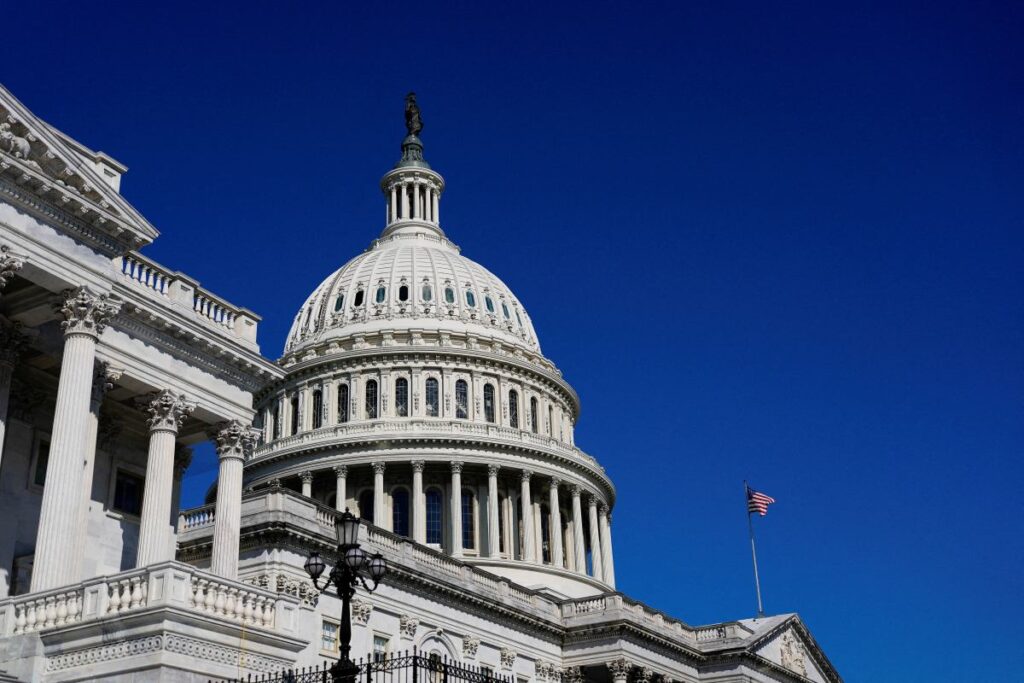
The House of Representatives has approved a comprehensive package of sanctions against Russia and support for Ukraine, yet the bill faces significant legislative hurdles in the Senate and White House.
Legislative scope and sanctions
The approved bill introduces a sweeping support package for Ukraine and escalates sanctions against Russia. It mandates that the President impose restrictions on Russian financial institutions, energy and mining sectors, the Rosatom corporation, and entities facilitating weapons deliveries from North Korea.
Key provisions include disconnecting sanctioned banks from the SWIFT system, increasing tariffs on Russian goods to a minimum of 500 percent, taxing frozen Russian and Belarusian assets at 100 percent, and banning imports from refineries processing Russian oil.
Military aid and strategic support
The legislation extends the Lend-Lease mechanism through fiscal year 2028 and authorizes up to $8 billion in Foreign Military Financing loans for equipment purchases by Ukraine and NATO allies. It also extends the Ukraine Security Assistance Initiative through 2027 with $300 million in funding, while providing Baltic states with $30 million annually in additional military aid.
Congressional hurdles and political friction
Passage followed a prolonged stalemate broken by a bipartisan petition that bypassed House leadership. However, Republican opposition remains, with critics like Brian Mast arguing the bill restricts presidential negotiation power and risks disrupting uranium supplies essential to the U.S. nuclear program.
Uncertain path in the Senate
The bill now requires Senate approval and a presidential signature. Republican leadership in the Senate has stalled similar initiatives for over a year due to opposition from Donald Trump. While some senators remain hopeful, others acknowledge that multiple sanctions projects remain effectively frozen.
Alternative proposals and diplomatic outlook
Legislators are also discussing a competing bill by Lindsey Graham and Richard Blumenthal that provides the President with discretionary authority, rather than a mandate, to impose 500 percent tariffs on countries purchasing Russian oil. Secretary of State Marco Rubio has signaled support for these additional tools, though observers like Polish MP Paweł Kowal remain cautious about the prospects for immediate legislative success.