


Iranian and American delegations have commenced negotiations in Islamabad, Pakistan, marking the first direct talks since February 28th, despite Tehran’s skepticism.
Iranian Delegation Arrives, Expresses Distrust
A high-ranking Iranian delegation, including Foreign Minister Abbas Aragczi, the Secretary of the Defense Council, the central bank governor, and several parliament members led by Mohammad Bager Ghalibaf, arrived in Pakistan on Friday evening (April 10th). This precedes the first direct meeting between US and Iranian representatives since February 28th.
Tehran views US Vice President Vance as potentially more open to compromise than other close associates of President Trump, though this doesn’t guarantee a softer stance. Ultimately, President Trump will make the final decision on any potential agreement.
Iran’s Preference for Vance in Negotiations
Some Iranian sources indicated a willingness to negotiate specifically with Vance, a sentiment confirmed by a White House official, though without explanation. Other administration representatives dismissed this as Iranian propaganda.
Vance Signals Readiness, With Reservations
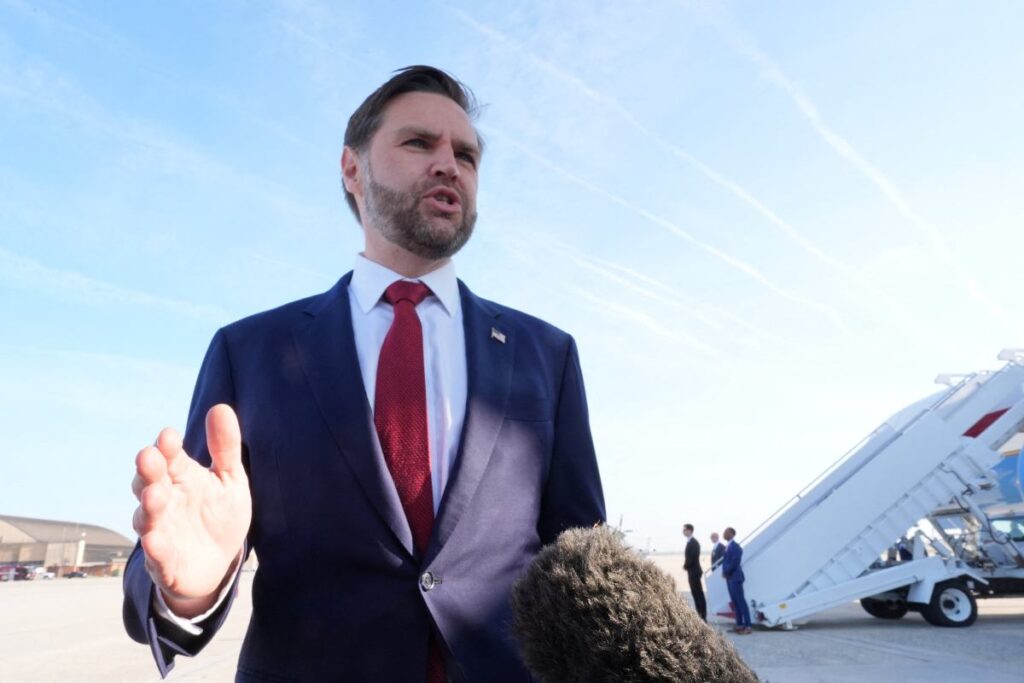
Prior to departing for Pakistan, Vance stated his willingness to engage in talks, but cautioned against Iranian attempts to stall or deceive. He affirmed the US delegation would not tolerate such tactics.
High-Level Participants on Both Sides
The Iranian delegation includes Parliament Speaker Mohammad Bagher Ghalibaf and Foreign Minister Abbas Aragczi. Ghalibaf has been considered by some within the Trump administration as a more pragmatic partner for negotiations in recent weeks.
Alongside Vance, the US delegation includes Jared Kushner and special envoy Steve Witkoff. However, Iranian leaders reportedly harbor significant distrust towards both men, citing previous unsuccessful negotiations. Both Kushner and Witkoff were key figures in negotiations between Russia and Ukraine.
Fundamental Disagreements Remain
Despite both sides assembling what they consider favorable negotiating teams, core disagreements persist. The US insists Iran must halt its uranium enrichment program, while Iran publicly maintains it has no intention of abandoning its nuclear program, even asserting that a ceasefire allows for its continuation.
High Stakes for Vance
The talks are considered risky for both sides. For Vance, success could strengthen his position within the Republican Party, but prolonged or failed negotiations could further link him to a conflict impacting fuel prices and inflation.
Iranian Skepticism Persists
Mohammad Ghalibaf, upon arrival in Pakistan, expressed good intentions but voiced a lack of trust, citing past experiences with US negotiations that resulted in failed promises.
Talks Follow Ceasefire Agreement
These peace talks, mediated by Pakistan, follow an agreement by both countries for a two-week ceasefire. The negotiation format is expected to mirror previous talks regarding Iran’s nuclear program, with the US and Iranian delegations communicating indirectly through mediators.