A senior US official announced that talks in Berlin have produced a robust set of security protocols for Ukraine, while President Zelenski addressed Putin’s pressure tools and NATO membership plans.
US Officials Detail Robust Security Package
A high‑ranking US administration representative told journalists on Monday that real progress was made during recent talks in Berlin and earlier consultations. He estimated that 90% of negotiated issues had been agreed upon and that the Ukrainian side was satisfied with the proposals.
He described the package as “the strongest set of security protocols ever seen” and expressed confidence that Russia would accept it. US officials also noted that Moscow remains open to Ukraine’s eventual accession to the European Union and acknowledged that some territorial disputes are still unresolved, though the overall situation is moving in the right direction.
Zelenski Discusses “Pressure Tool” and Peace Plan
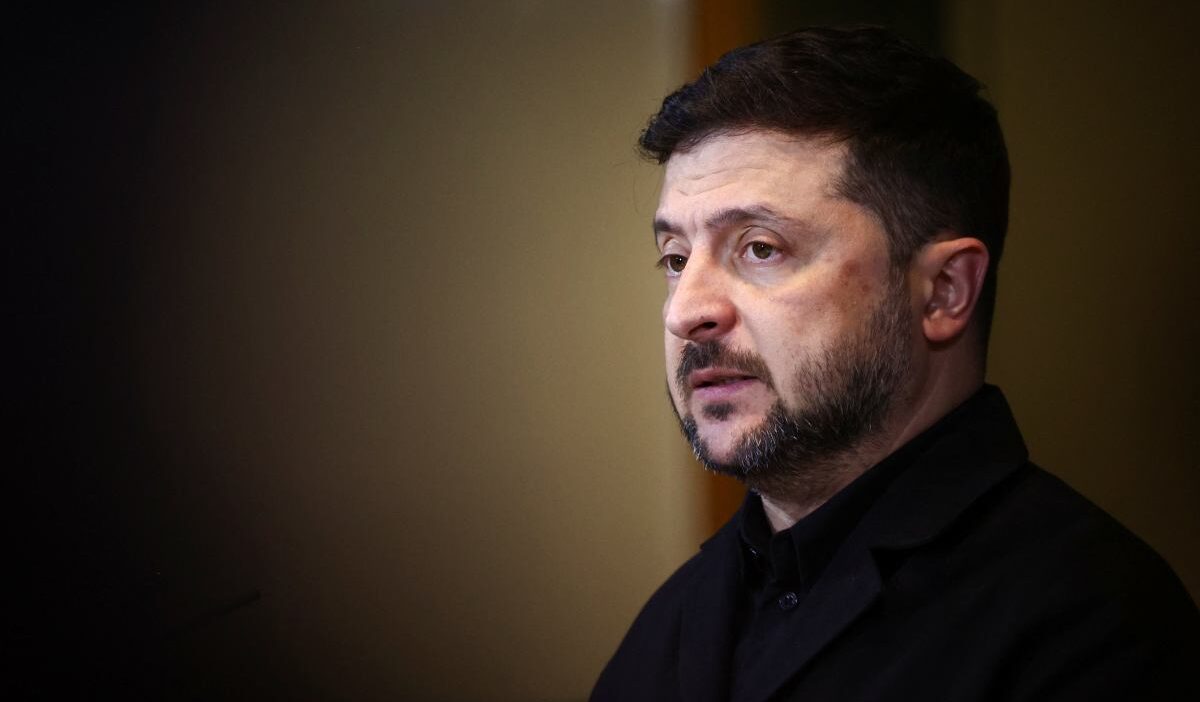
President Volodymyr Zelenski participated in meetings in Berlin on Sunday and Monday with Steve Witkoff and Jared Kushner regarding a peace plan. He had to pause the talks to meet German authorities but the negotiations continued with the Ukrainian delegation.
After the German‑Ukrainian Economic Forum, Zelenski said, “We work point by point, setting the steps required to make a dignified peace. This is important to us, the dignity for Ukrainians.” He warned that ongoing attacks from Russian aggression continue daily and that Putin uses the brutality of these attacks as a tool of pressure in negotiations.
Zelenski on Ukraine’s NATO Ambitions
On Sunday Zelenski confirmed that Ukraine is ready to forego plans to join NATO, stating that reliable security guarantees are essential. He emphasized that Ukraine has sought NATO membership since the outset, viewing it as a real security guarantee supported by some U.S. and European partners.
He further explained that preventing a future Russian invasion hinges on bilateral security guarantees between Ukraine and the United States—an Article 5–type pledge—and on guarantees from other allies, including Canada, Japan, and European partners. He called this a compromise from his side.