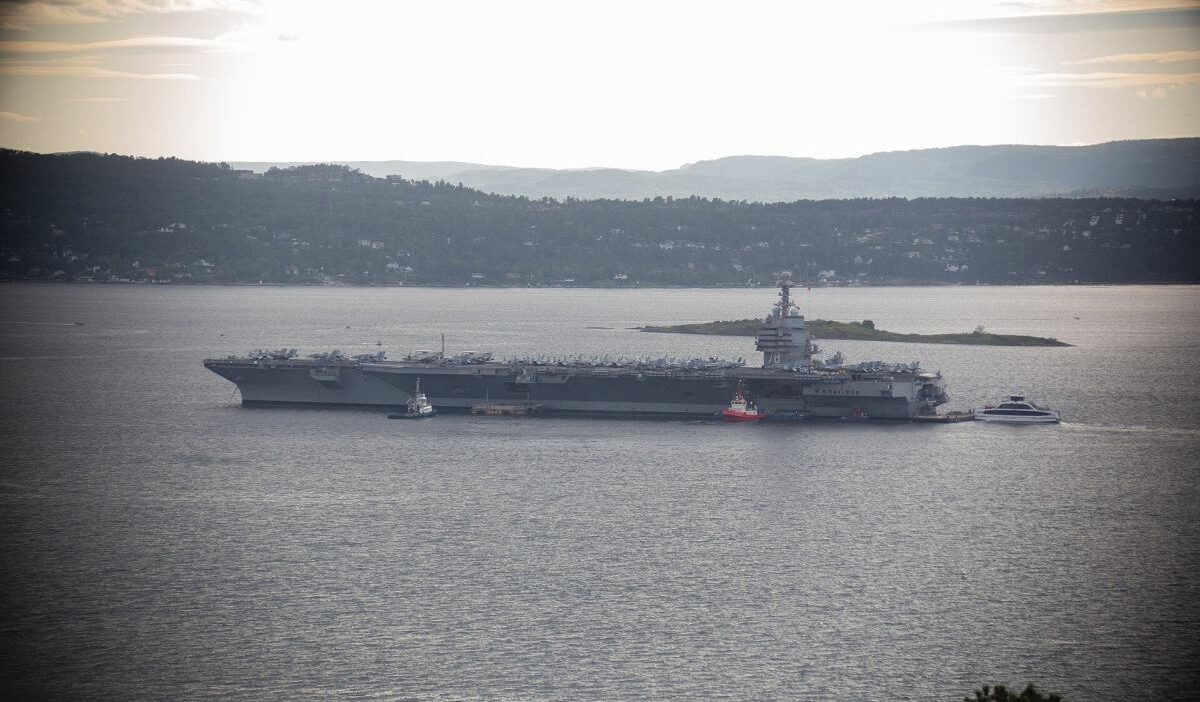
A 30-hour fire aboard the USS Gerald R. Ford aircraft carrier, initially downplayed, caused significant damage and worsened conditions for the 4,600-member crew.
Fire Initially Dismissed as Minor
The fire broke out on March 12th. The U.S. Central Command (CENTCOM) initially reported it was not the result of combat, did not damage the nuclear propulsion system, and that the ship remained fully operational, with only two sailors receiving medical attention.
However, five days later, the New York Times revealed the incident was more serious than initially stated. While the fire did not impact the ship’s combat capabilities, it caused substantial damage and significantly degraded crew living conditions.
Extent of the Damage and Disruption
The fire reportedly took 30 hours to extinguish, complicated by the ship’s confined spaces, extensive cabling, and ventilation systems. It originated in the main laundry room, specifically in the exhaust of a large industrial dryer, and spread through the ventilation system.
The fire destroyed numerous spaces, including cabins and berthing areas with a total of 600 bunks, impacting approximately 13 percent of the crew. Sailors are now reportedly sleeping on floors and tables, and many lost personal belongings.
Impact on Crew Morale and Mission Length
While the fire did not directly affect the ship’s combat readiness, maintaining crew morale and ensuring adequate rest are crucial for operational effectiveness. Fatigue and frustration can lead to errors and reduced performance.
Crew morale is already low due to the extended length of the current mission. The USS Gerald R. Ford departed Norfolk, Virginia, in June 2025, with an initial expectation of a 6-9 month deployment. It now appears the deployment will last approximately one year.
Ongoing Mission and System Issues
The ship is currently involved in operations related to the conflict with Iran. An unofficial extension of the deployment to May is anticipated, potentially setting a record for the longest mission by a U.S. nuclear-powered aircraft carrier.
Adding to the challenges, the USS Gerald R. Ford has experienced significant issues with its vacuum-based sewage system, resulting in dozens of daily failures, often due to improper use by the crew.
Broader Implications for the Navy
The extended deployment disrupts the Navy’s long-term maintenance and modernization schedule for nuclear-powered aircraft carriers, impacting workload at shipyards in Norfolk and Bremerton.
The situation has also led to the postponement of the decommissioning of the USS Nimitz, which will now undertake another combat mission instead of entering drydock for deactivation. Delays in the construction of the USS John F. Kennedy further contribute to the need to maintain 11 operational aircraft carriers.