


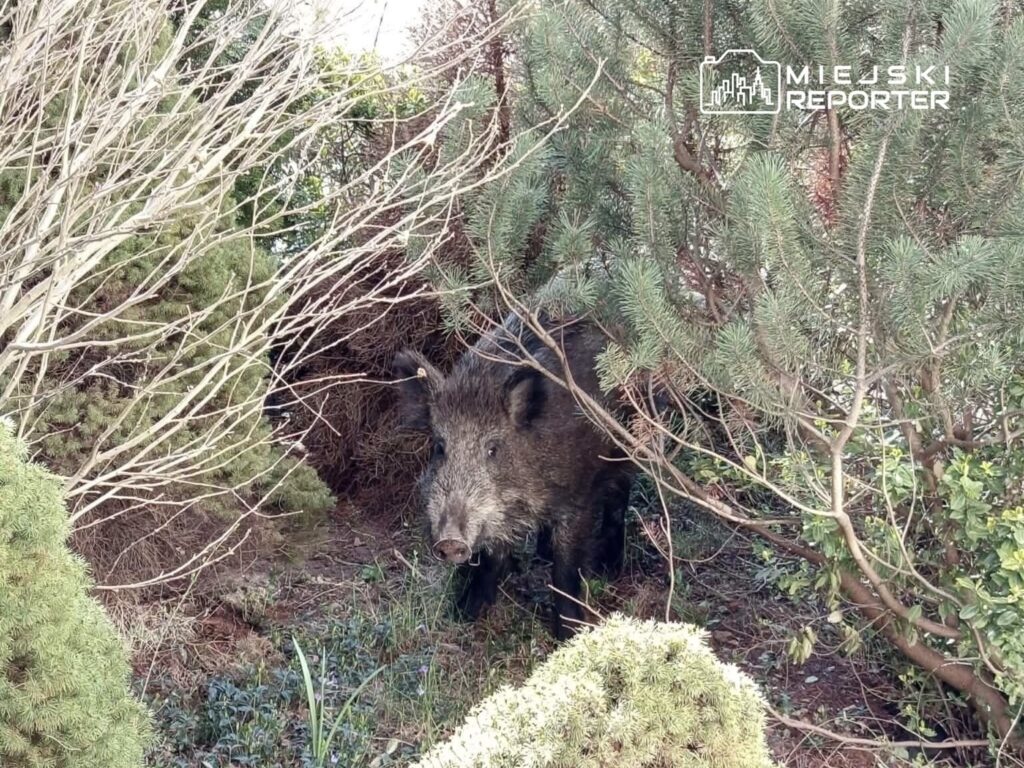
Warsaw City Forests issued an apology on April 8, 2026, following interventions involving wild boars in the Bemowo and Mokotów districts, prioritizing public safety.
Wild Boar Interventions and Apology
Warsaw City Forests – Warsaw published a statement on April 8, 2026, following recent actions concerning wild boars in Bemowo and Mokotów. The organization apologized to residents for being exposed to the sight of animals being euthanized in public spaces, while emphasizing that ensuring the safety of residents remains a priority.
Future actions will be carried out with greater sensitivity towards the local community and animal welfare, according to the statement.
The Growing Wild Boar Population in Warsaw
The issue is part of a broader problem of wild boar presence in the capital. According to an inventory conducted in March 2025, Warsaw is home to approximately 3,000 wild boars.
The organization indicates that the animals have easy access to food in the city – from waste and compost to food scraps left by people – while lacking natural predators. Additionally, wild boars reproduce quickly, and those living in the city become accustomed to humans and even return after being scared away.
Warsaw City Forests asserts this is not an “invasion from the forest,” but rather an adaptation to urban conditions.
Restrictions on Relocation Due to ASF
Warsaw City Forests emphasizes that relocating wild boars from Warsaw is currently impossible. This is due to sanitary regulations related to African Swine Fever (ASF).
Warsaw is located in an area subject to restrictions, and the ban on capturing and moving wild boars stems from both EU and national regulations concerning the control of infectious animal diseases, including the regulation of the Minister of Agriculture and Rural Development of March 12, 2026. The organization believes that relocating wild boars could contribute to the spread of the ASF virus to new areas.
Limited Reduction Options
Warsaw City Forests explains that, in the current legal and organizational context, population reduction is only possible through shooting or capture with euthanasia on-site.
Such actions may be taken in situations of extraordinary threat to human life, health, or the economy, and must be based on decisions and regulations of relevant authorities, including the district governor, the district veterinary officer, the voivode, or resolutions of the voivodeship sejmik. Warsaw City Forests emphasizes that these are last-resort measures, applied within the bounds of the law.
Contraception for Wild Boars – Not Currently Feasible
The organization also addressed proposals for contraception for wild boars. According to the published explanations, there are currently no approved and tested agents in Poland or the European Union that could be legally used on free-ranging wild boars in an urban environment.
The material also points to practical limitations of such a solution, including the risk of impacting other animals and the lack of certainty regarding its effectiveness and safety.
Human Behavior and Wild Boar Numbers
The city and its units also remind that human behavior has a significant impact on the number of wild boars. Official recommendations for residents previously included not feeding wild boars, not leaving food in inappropriate places, securing waste containers, and keeping dogs on leashes during walks.
If encountering a wild boar, it is recommended to calmly move away without sudden movements, rather than running or attempting to approach the animal.
Wild Boars as a Permanent Urban Element
The materials published by Warsaw City Forests indicate that wild boars remain a permanent element of Warsaw’s urban environment, and the scale of the problem is primarily related to the conditions created for them by humans.
The latest statement, however, shows that beyond the problem of the animals’ presence in the city, the manner of conducting interventions and their reception by residents is also becoming increasingly important.