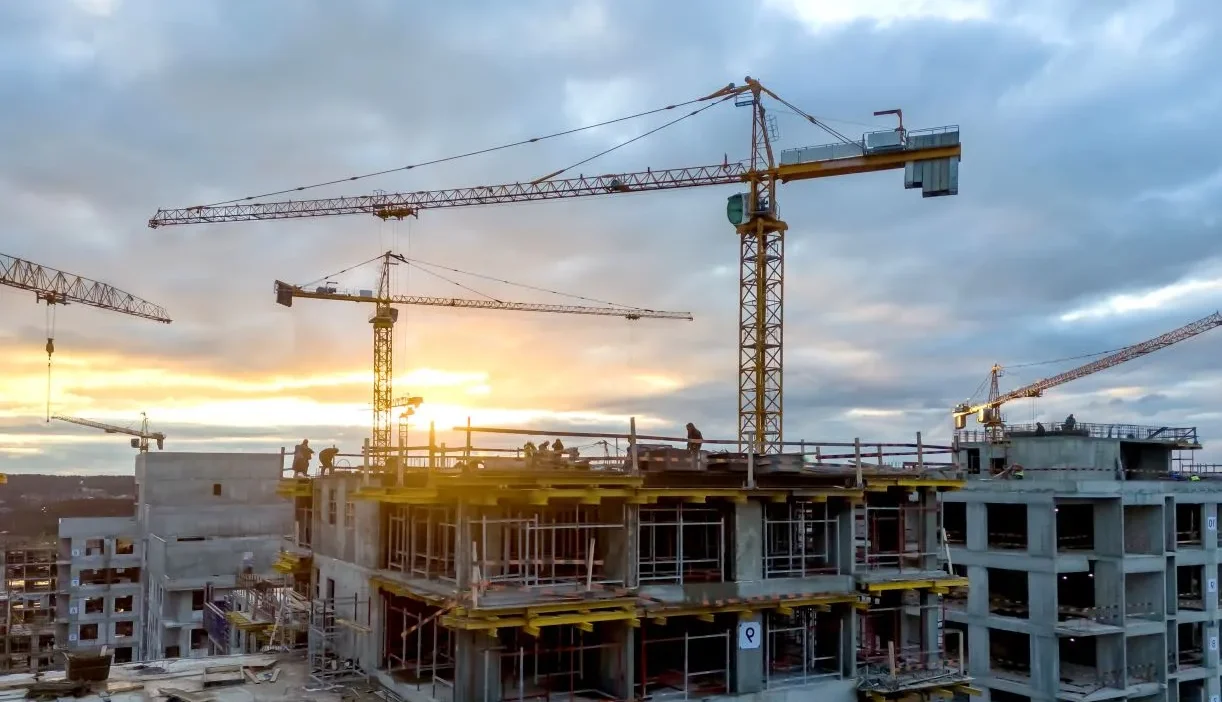
Poland’s housing market saw a significant sales surge in the first quarter of 2026, particularly in Warsaw, as developers limit new supply and prices rise.
National Housing Market Rebound
Poland’s real estate market experienced a clear revitalization in sales during the first quarter of 2026, driven largely by strong demand in Warsaw. The report from RynekPierwotny portal indicates a nearly one-third increase in demand within the capital city.
Developers sold approximately 14,800 apartments across seven major metropolitan areas, representing a 17% quarterly and 19% year-on-year increase. Warsaw accounted for roughly 4,900 of these sales, a nearly 33% increase compared to the previous year.
Regional Sales Growth
Beyond Warsaw, significant sales growth was also recorded in Wrocław (25% increase), Łódź (24% increase), Kraków (21% increase), and the Tricity area (10% increase). Poznań remained stagnant, though March data suggests a gradual recovery in demand.
Developer Supply Constraints
Simultaneously, developers significantly reduced the supply of new housing. Approximately 11,800 apartments were introduced to the market in the first quarter, an 8% decrease from the previous quarter and a 25% decrease year-on-year.
The largest declines in new supply were observed in Łódź (55% lower), the Górnośląsko-Zagłębiowska Metropolis (48% lower), and Poznań (39% lower).
Shrinking Housing Availability
Experts note a shrinking housing supply. As of the end of March, the number of available apartments decreased in Warsaw by 4% (to 16,800), in Łódź by 5% (to 11,300), and in Wrocław by 2% (to approximately 10,000). Increases in supply were only seen in Kraków (+7%) and the Tricity (+1%).
Affordable Housing Disappearing
The decline in supply primarily affects the most affordable apartments, which are disappearing from the market at the fastest rate. In Warsaw, the number of apartments in the lowest price segment fell by 16% within the quarter, while the Tricity and Poznań saw decreases of 14% and 12%, respectively.
Kraków and Łódź were exceptions, experiencing a slight increase in the availability of the most affordable housing.
Rising Prices and Market Dynamics
The structure of supply is shifting towards more expensive investments, accelerating the growth of average prices. The average price per square meter in Warsaw increased by 7% in the first quarter, reaching 19,600 zł. Kraków and Poznań saw increases of 2% each, while Wrocław and the Tricity experienced 1% growth. Prices remained stable in Łódź and the Górnośląsko-Zagłębiowska Metropolis.
Experts indicate that Warsaw is now a seller’s market, while buyers in other cities still retain a relatively strong negotiating position. Concerns remain regarding rising credit costs, which could limit housing demand if interest rates increase.