Warsaw has entered a new phase for city traffic control, signing a deal with Yunex for a 479‑intersection AI‑powered system aimed at easing congestion and prioritizing public transport.
Integrated Traffic Management Explained
Warsaw’s Integrated Traffic Management System adapts traffic‑light control to traffic intensity, responds to road incidents, and gives priority to public‑transport vehicles. The Roads Authority has signed a contract with Yunex to operate the modern system, which, using artificial intelligence, will enhance safety and comfort on city streets.
Safety Investment and AI Integration
Safety of all road users remains a top priority for city officials, prompting increased investment in pedestrian crossings and lighting. Last year, Warsaw allocated 164 million PLN to road‑safety improvements. Now, the city has signed a new contract for an even more advanced, AI‑powered Integrated Traffic Management System.
History of Warsaw’s Traffic System
The system is not new. Since 2008 it covered just 37 intersections, targeting smoother traffic in the city center. Today it spans nearly 500 junctions, enabling dynamic control on Warsaw’s major arteries.
Scope of the New Deal
The new agreement will oversee 479 intersections, mainly along Warsaw’s main routes—over half of all city traffic lights. The system will expand annually in scope.
Smart Control and AI Features
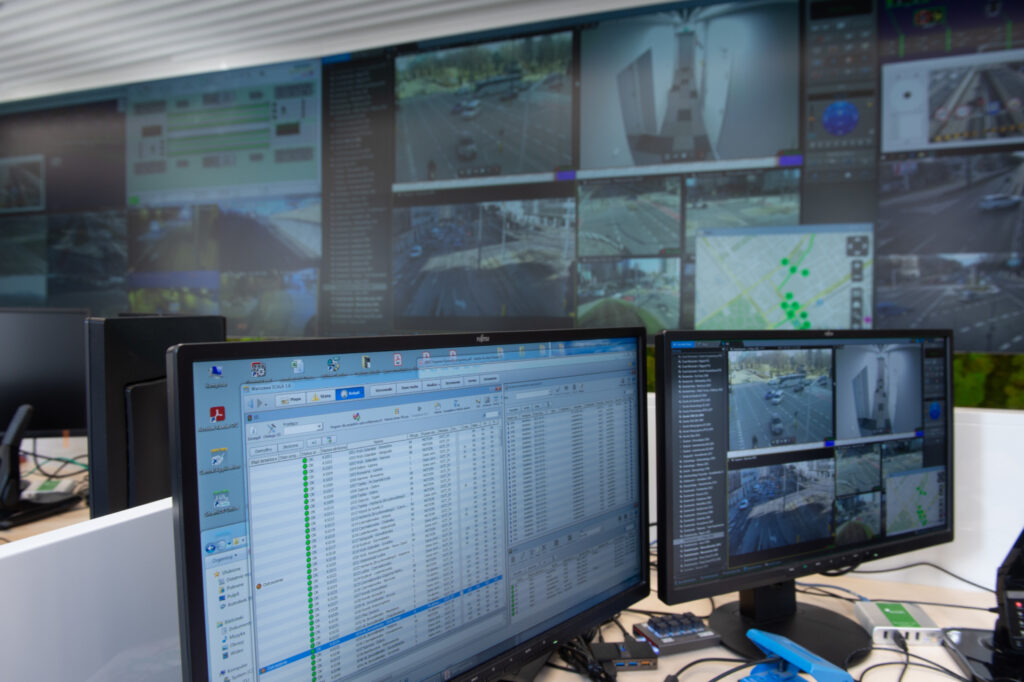
The aim is to move gradually to corridor‑level control instead of individual intersections. The upgraded system will better disperse congestion by adjusting signal cycles and, where needed, diverting traffic onto alternative routes. Operators will remain able to intervene manually; a 24‑hour control centre will fine‑tune signals as circumstances demand.
Incident Response and Data Integration
Beyond traffic‑intensity adjustments, the system will autonomously react to unforeseen road events and recommend optimal routing. Its algorithm will receive additional data from an Automatic Traffic Measurement system that will be integrated into the new traffic network.
Expansion and Modernisation Plans
A hallmark of the new deal is continuous modernization. The operator will add roughly twenty new intersections each year and expand the measurement network, notably incorporating the crucial Independence Avenue corridor into the system—complete with a newly designed bicycle lane.
Equipment Upgrades and Tunnel Safety
During the contract period, the operator will also replace obsolete monitoring equipment at about 50 intersections, along with approximately 300 poles, 30 km of cabling, and 720 automatic detectors. Safety upgrades will extend to the Wisłostrada tunnel, and a permanent dual‑lane layout will be installed at the Zesłańców Syberyjskich roundabout after a temporary pilot.
Future Strategy and Digital Twin
The operator is tasked with developing a long‑term development strategy that leverages AI. A proposed feature is a ‘digital twin’ platform for testing and forecasting traffic changes. The system will learn from past events to propose better solutions.