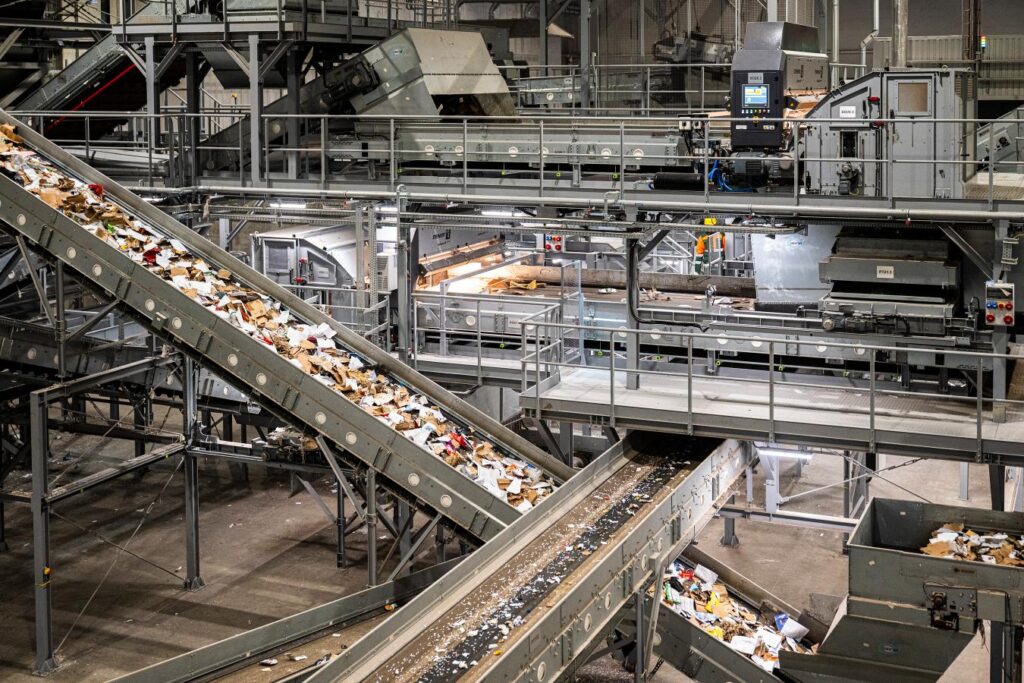
Warsaw officially inaugurates its new waste-to-energy facility, one of Europe’s most modern plants, fully funded by the city.
Modern Energy Facility
The Warsaw Energy Plant (WWE) is officially open, representing one of Europe’s most advanced facilities of its kind and the largest in Poland. The plant can process over 260,000 tons of waste annually and required an investment of 1.6 billion PLN, fully financed by the city budget without external funding.
Construction began in 2021, with the plant receiving operational permission in 2025 and has been actively serving the city for over a year. This investment rivals the largest state projects and stands as one of Poland’s most significant municipal industrial undertakings in this decade.
Environmental Standards
Built according to BAT (Best Available Techniques) standards, the facility meets the most rigorous environmental norms. Advanced cleaning and emission monitoring systems ensure the plant is safe for both residents and the surrounding environment.
The plant transforms waste, which previously went to landfills, into valuable energy and heat. This approach establishes a circular economy where waste becomes fuel, heating Warsaw’s homes and reducing dependence on volatile global energy markets.
Technical Specifications
The final testing phase lasted over 12 months before the facility was officially accepted by MPO in December 2025 from its contractor, the Korean firm POSCO E&C. Trucks deliver waste via a 120-meter elevated bridge, with approximately 100 vehicles bringing waste to the facility daily.
Upon arrival, waste is placed in a massive, sealed bunker with a 5,500-ton capacity. Cranes with 8-ton capacity mix the waste to prepare it for incineration in advanced grate boilers, ensuring complete combustion and maximum energy recovery.
Urban Innovation
One of Europe’s most sustainable industrial plants, the WWE features approximately 20,000 m² of greenery on its roofs—equivalent to three football fields. These green roofs and meadows demonstrate that industrial infrastructure can be both aesthetically pleasing and environmentally friendly.
The facility incorporates unique urban planning elements, including a viewing point at 70 meters high, offering panoramic views of the city from the plant’s chimney.
Strategic Importance
Mayor Rafał Trzaskowski emphasized that this 1.6 billion PLN investment represents Warsaw’s commitment to energy independence and a future where waste becomes a resource rather than a problem. The project has stabilized the city’s waste management system for the next 30-40 years.
This facility marks Warsaw’s entry into the league of European metropolises that intelligently manage waste while strengthening their residents’ energy security. It stands as a testament to municipal governments’ capacity to implement state-scale projects focused on citizens’ safety and comfort.