UN report warns global water resources are being depleted faster than they can replenish, leading to irreversible ‘water bankruptcy’ worldwide, including major cities.
The Snow Fallacy
The current snow cover in Poland is considered “white gold” from a hydrological perspective. Recent snowless winters have been a primary cause of progressing droughts. However, climate data indicates that such true winters will become increasingly rare.
Water Bankruptcy Warning
According to a new UN report, the term “water crisis” inadequately describes the situation as it suggests reversibility. The problem will not disappear but may become more severe, hence the authors speak of “water bankruptcy.”
Depleting Resources
Water extraction has not only consumed annual “revenue” but also “savings” accumulated in aquifers, glaciers, soils, wetlands, and river ecosystems. Many of the damages caused are irreversible on a human timescale.
Global Water Challenges
Examples of “water bankruptcy” era challenges include the drying Dead Sea and Aral Sea, the threat of water depletion in Tehran, flooding of Swiss cities by melting glaciers, subsidence of Mexico City and Jakarta, and a record 400+ water conflicts in 2024.
Billions Threatened by Water Scarcity
The report states that in many regions worldwide, water consumption in the long term exceeds natural replenishment. Resources that form the basis and replenishment of these water supplies—rivers, glaciers, wetlands, lakes—have been damaged or destroyed to an extent that offers no prospect of full restoration.
Declining Groundwater
Over half of the world’s largest lakes have shown a drop in water level in the last 30 years. In many rivers, water levels are significantly lower for large parts of the year. Nearly 3/4 of major aquifers show a declining trend, covering 50% of global municipal water demand and 40% of agricultural needs.
Drying Wetlands and Melting Glaciers
The world has lost about 410 million hectares of natural wetlands in the last half-century—nearly the area of the European Union. Wetlands are crucial for water resource replenishment, and their draining causes greenhouse gas emissions, exacerbating global warming.
Poland’s Water Crisis
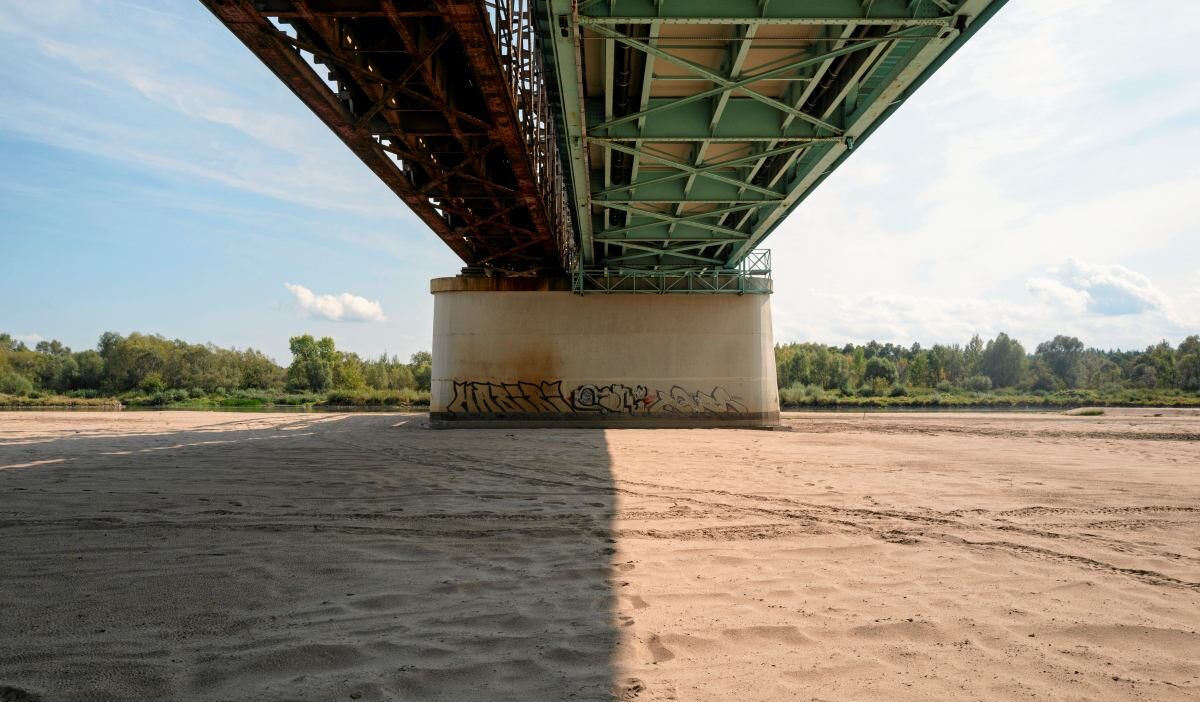
Drought has become an annual phenomenon in Poland with varying intensity, affecting soils, surface waters, and groundwater. The causes are primarily related to human activity, with climate change being the first source of Poland’s water problems.
The Need for Adaptation
Some damages are physically irreversible on a human timescale. However, intensive action is necessary to prevent deepening of “water bankruptcy” and to adapt society to function in new, more difficult conditions.