


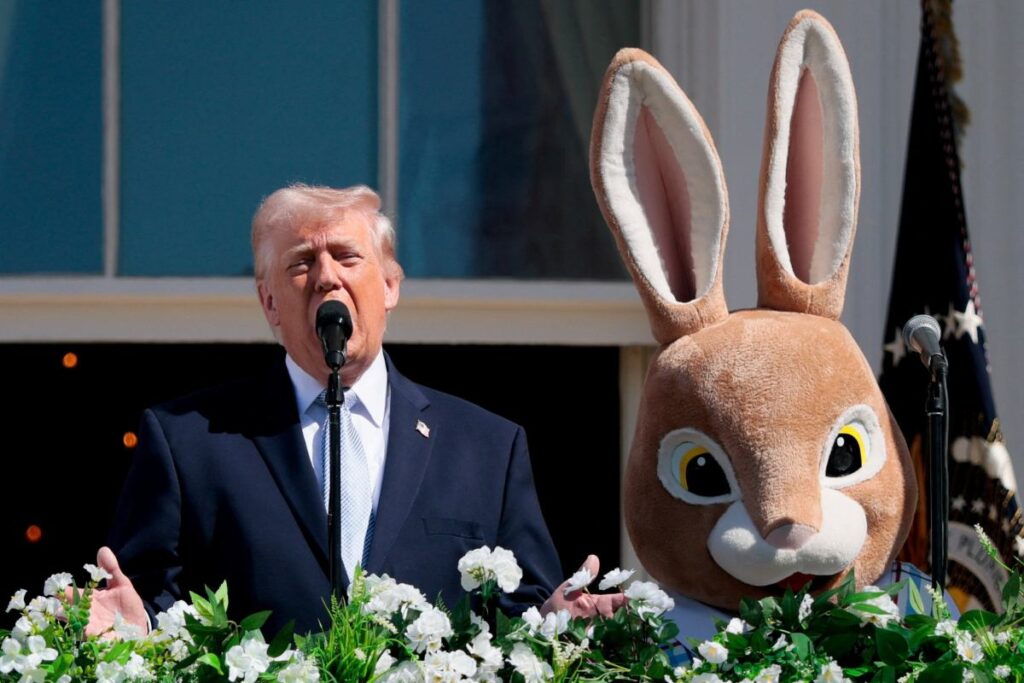
A *Time* magazine report suggests President Trump’s advisors may be shielding him from the true extent of the conflict in Iran, fueling concerns about escalating risks.
Frustration and Search for an Exit
According to sources, President Trump has expressed frustration with the situation in Iran, reportedly seeking a way to de-escalate the conflict. Two advisors and two members of Congress who recently spoke with Trump indicated he is concerned about the political and economic consequences of a prolonged conflict.
The President allegedly stated his desire to end operations in Iran, fearing a drawn-out conflict would negatively impact the Republican Party in upcoming elections. Sources claim allies are looking for a way to “declare victory, end the fighting, and hope that economic conditions stabilize before the political damage intensifies.”
Briefings and Concerns Over Information Flow
The report emerges after NBC News revealed the military is preparing short video briefings for Trump on the situation in Iran. These videos, lasting approximately two minutes, showcase the most significant and successful attacks from the past 48 hours, described by one source as “a series of clips of things exploding.”
Concerns are growing among the President’s staff that he “may not be receiving or assimilating the full picture of the war.”
Public Opinion Favors De-escalation
A recent Reuters/Ipsos poll indicates that two-thirds of Americans would like to see a swift end to the war in Iran. Approximately 66% of respondents favor ending the conflict as quickly as possible.
Less than one-third (27%) believe the U.S. should pursue all objectives in the conflict, even if it means long-term military engagement.
Republican Voters Divided
Among Republican voters, over half (57%) support continued U.S. engagement in Iran if it leads to achieving stated goals. However, 40% favor a quick resolution to the conflict.
Only 35% of all respondents support U.S. attacks on Iran, while 60% oppose them.
Economic Impact and Upcoming Elections
Reuters highlights the rising cost of gasoline as a visible consequence of the ongoing war in the United States. Two-thirds of those surveyed, including 40% of Republican voters, anticipate even higher fuel prices in the coming year.
Over half of respondents, including 39% of Republican supporters, believe the war will have a primarily negative impact on their personal financial situation.
The upcoming November congressional elections, which will determine whether Republicans maintain control of both chambers of Congress, are a key consideration, as the President’s party typically loses ground in midterm elections.
Conflict Origins and Escalation
The conflict in the Middle East began on February 28th with airstrikes by Israel and the U.S. against Iran. Tehran retaliated with attacks on Israel and Arab nations in the Persian Gulf region, targeting U.S. military bases and civilian infrastructure, including airports and petrochemical facilities.
Iran also blocked free navigation through the Strait of Hormuz, disrupting oil exports from the Middle East.