


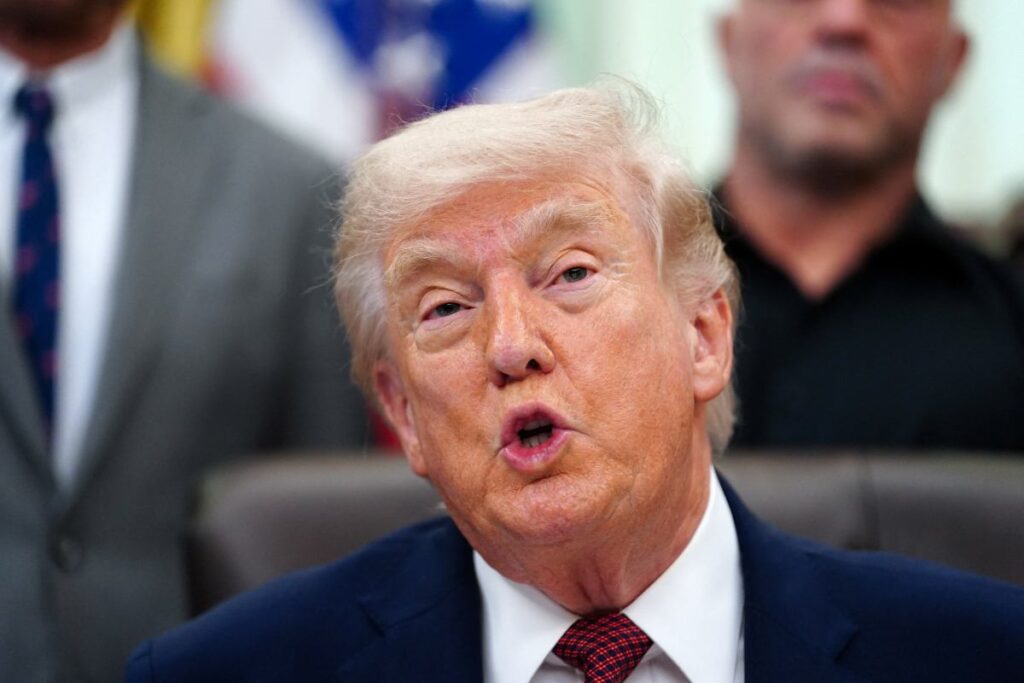
The White House responded sharply to Polish Prime Minister Donald Tusk’s interview questioning the reliability of U.S. defense commitments, echoing former President Trump’s criticisms of NATO allies.
Trump Expressed Disappointment with NATO Allies
The White House stated that President Trump had clearly expressed his disappointment with NATO and other allies, noting that the U.S. maintains thousands of troops in Europe but had requests to use military bases for American interests denied.
Kelly added that Trump would “never allow the United States to be treated unfairly or exploited by so-called allies.”
Tusk Questions U.S. Loyalty, Article 5
In an interview with the Financial Times, Prime Minister Tusk voiced doubts about the commitment of the U.S. to the defense of Europe, specifically questioning the validity of Article 5 of the NATO treaty.
Tusk emphasized the importance of practical application of alliances, stating, “Washington treats Poland as the best and closest ally in Europe. But for me, the real problem is what that means in practice if something happens.”
U.S. Ambassador Affirms Commitment to Poland, Raises Reciprocal Loyalty Concerns
U.S. Ambassador to Poland, Tom Rose, asserted that Poland has been America’s strongest ally since the end of the Cold War and has benefited greatly from U.S. military support, reaffirming the U.S. commitment to Poland’s defense as “ironclad, solid as a rock, and well-deserved.”
However, Rose also questioned the loyalty of U.S. allies, asking whether they are as loyal to the U.S. as the U.S. is to them.
Tusk Highlights European Concerns, Calls for Practical Guarantees
Tusk noted that his comments resonated with other European leaders, who acknowledged that his statements reflected concerns previously expressed privately.
He stressed the need for “practical decisions” and the elimination of “any illusion” regarding the immediate fulfillment of defense guarantees, particularly given Poland’s geographic proximity to Russia and Belarus.
Tusk also underscored the importance of European nations taking greater responsibility for their own defense and security.