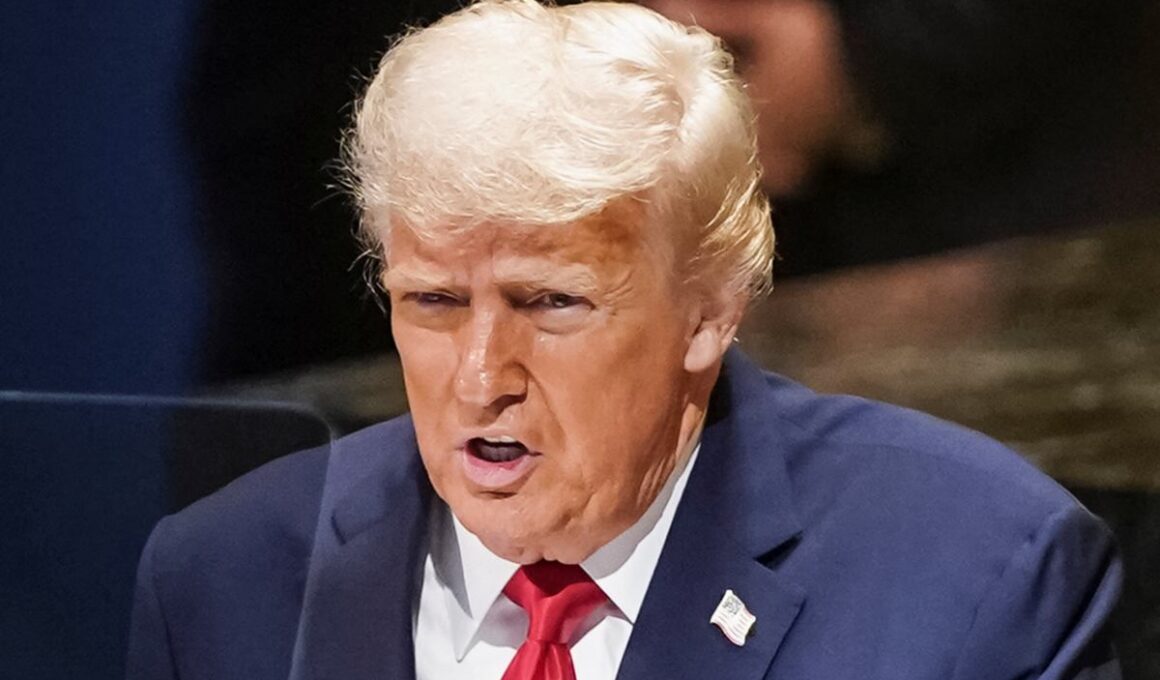
The World Health Organization (WHO) issued a statement on September 24, refuting US President Donald Trump’s claims that acetaminophen use during pregnancy may increase autism risk in children.
WHO’s Statement on Acetaminophen and Autism
The WHO emphasized that there is currently no conclusive scientific evidence confirming a possible link between autism and acetaminophen use during pregnancy, based on extensive research.
The organization stressed that no definitive connection has been established, contradicting Trump’s assertions.
Trump’s Claims and Their Implications
Trump claimed at a press conference that using Tylenol during pregnancy could “significantly increase” the risk of autism in children, prompting a reaction in the pharmaceutical market.
His comments caused the value of major British pharmaceutical companies to drop by nearly £5 billion.
Vaccination Claims Debunked
Trump also discouraged vaccinations, suggesting that the hepatitis B vaccine should be administered after the age of 12, contrary to standard medical practice.
The WHO countered with evidence from numerous studies, confirming that childhood vaccines do not cause autism and that previous research suggesting a link was flawed.
WHO’s Stance on Vaccines
The WHO highlighted that independent experts have repeatedly confirmed since 1999 that vaccines, including those containing thiomersal or aluminum, do not cause autism or developmental disorders.