


A Polish pilot program reveals alarming rates of youth gambling and exposure to loot boxes, prompting a nationwide educational campaign.
Program Findings Highlight Growing Problem
Results from the pilot educational and preventative program “Don’t Get Hooked. SPEAK TO ME – #TokTuMi,” involving approximately 10,000 young Poles, are described as shocking, indicating a larger-than-anticipated gambling problem among youth.
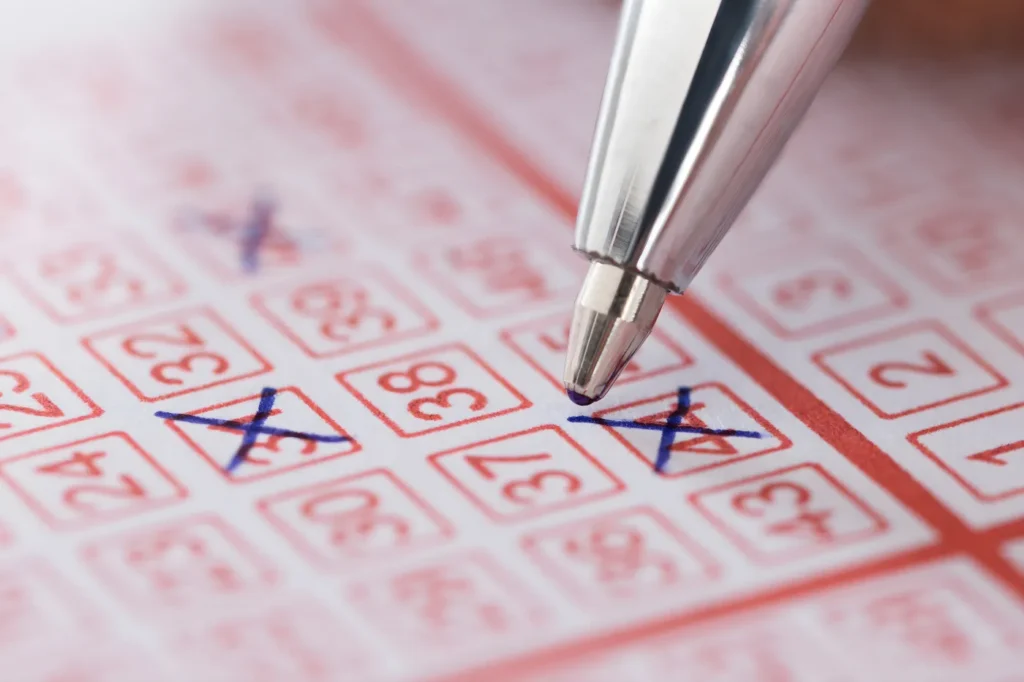
Around 20% of 15-16 year olds and 25% of 17-18 year olds report having participated in monetary gambling at some point in their lives. 76.6% of students report exposure to content encouraging the purchase of loot boxes, with 55.5% influenced by gamer-influencers promoting them.
Loot Boxes as Gateway to Gambling
The “Don’t Get Hooked. SPEAK TO ME – #TokTuMi” program was initiated by the Mentalnie Równi and Totalizator Sportowy Foundations, with all children’s programs now consolidated under the Halina Konopacka LOTTO Foundation.
Loot boxes, described as virtual containers offering random in-game items obtainable through gameplay or real-money microtransactions, are identified as a direct pathway to gambling and a highly addictive mechanism.
Influencer Impact and Parental Awareness Gap
A significant 55.5% of program participants cite influencers and gamers as key decision-makers regarding purchases. This creates a “split in spheres of influence” where parental control is limited.
Awareness of gambling addiction is higher among children than parents, with a gap in understanding specific game mechanics and associated risks. Only 19% of students who purchase loot boxes discuss it with their parents, with 81% keeping it private.
Financial Implications and Program Expansion
Nearly 36.1% of surveyed students see no benefit to buying loot boxes, purchasing them due to peer pressure and a sense of obligation. Total annual spending on these microtransactions exceeds 392 million PLN, with an unknown upper limit.
The Halina Konopacka LOTTO Foundation has committed to expanding the program to reach hundreds of thousands of young people across Poland, starting in September. The program received a positive assessment from 96.8% of teachers.
Program Effectiveness and Patronage
69% of program participants found the sessions interesting, and 82% reported improved ability to recognize gambling mechanisms in games and media.
The program is under the honorary patronage of Dr. Aleksandra Lewandowska, National Consultant in Child and Adolescent Psychiatry.