


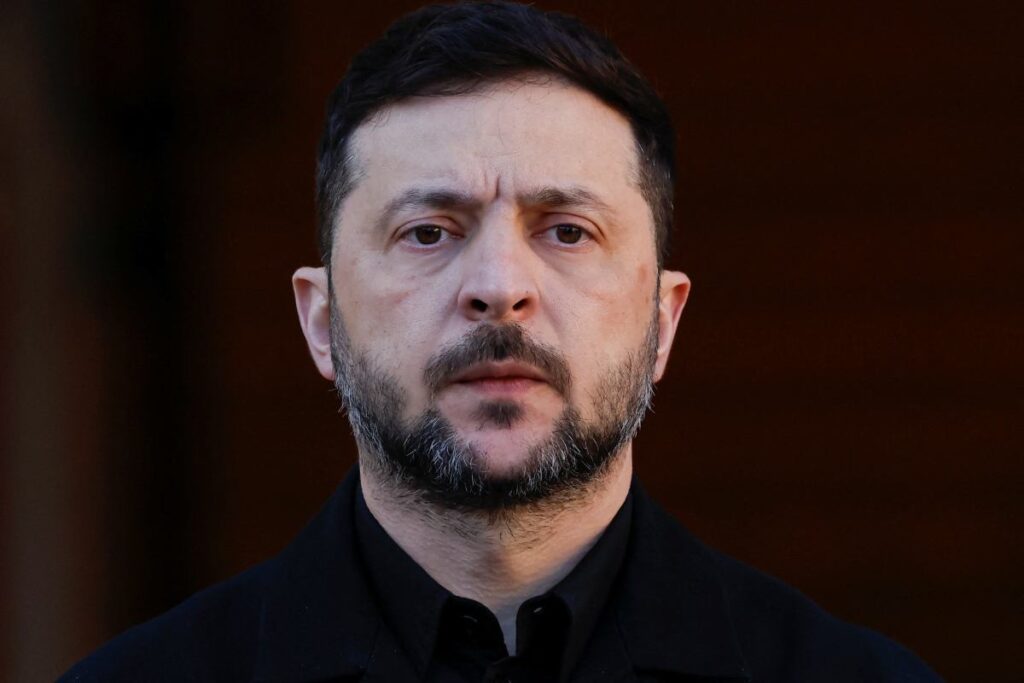
On 11 December in Kyiv, President Volodymyr Zelensky outlined a U.S.-backed plan for a “free economic zone” in the eastern Donetsk region, urging a compromise that would move Russian troops back five to ten kilometres and demilitarize the area.
U.S. Plan for a Free Economic Zone
During a televised briefing, Zelensky explained that part of the American peace proposal is to establish a “free economic zone” in the eastern portion of Donetsk’s territory. The idea is that Ukrainian forces would hold the zone while Russian units pull back, creating a buffer that would be militarily neutralised.
Zelensky’s Concerns About Governance
Zelensky raised doubts over who would administer the special zone and how the withdrawal of Russian troops would be supervised. He warned that the plan lacks clear mechanisms to prevent Russian soldiers from hiding among civilians.
Territorial Determination via Referendum
The president emphasised that final decisions on contested regions should reflect the will of the Ukrainian people, proposing either a popular vote or a referendum to determine their status.
Status of Zaporizhzhia Nuclear Power Plant
Zelensky highlighted that the only unresolved issue remains the control of the occupied Zaporizhzhia nuclear plant and the fate of the Donetsk region. He said Ukraine would accept joint management if the U.S. could secure the zone’s demilitarisation and facilitate a smooth handover of the plant’s operations.
U.S. Position on Timelines
He dismissed reports that Washington had suggested a concrete deadline for ending the war, saying the United States wants to accelerate the process but is not issuing ultimatums. The priority, according to Zelensky, is the outcome, not the timeline.
Size of Ukrainian Armed Forces
Zelensky noted that the proposed peace plan includes maintaining Ukraine’s current force size of 800,000 soldiers.