A Wiorstka investigation uncovers systematic executions, torture, and the “zeroing” policy used against Russian soldiers who defy orders or refuse to engage in corruption, turning the armed forces into a brutal, fear‑driven apparatus.
Investigative Findings
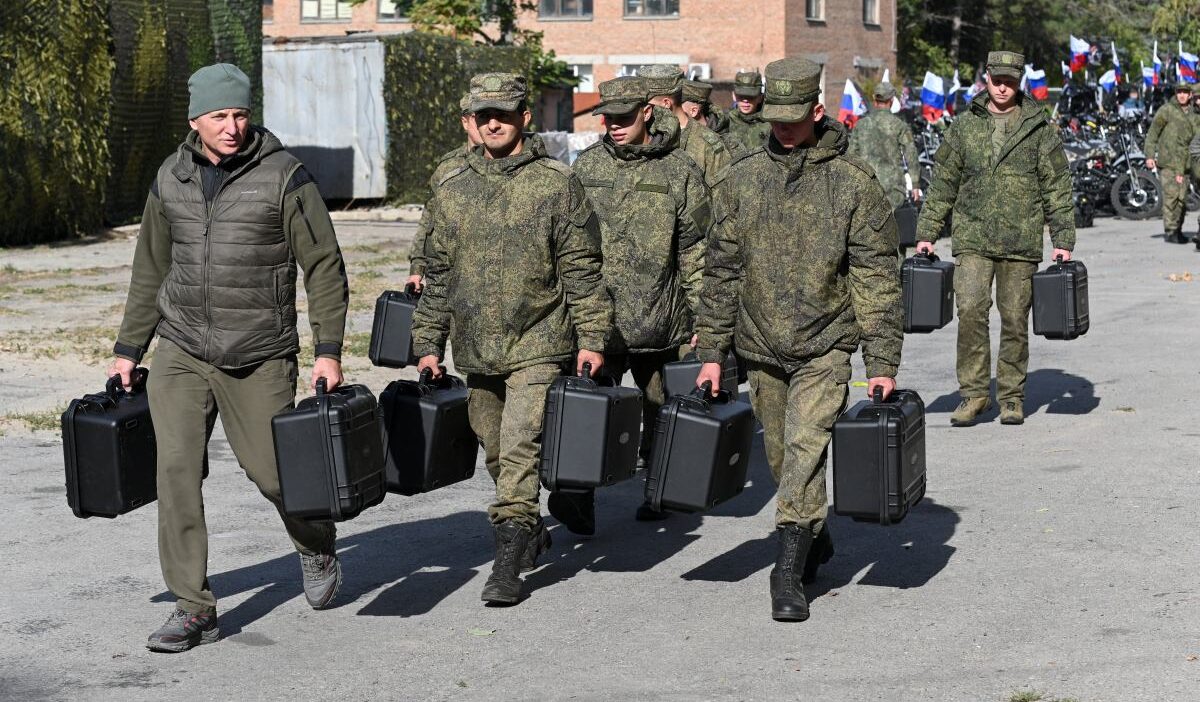
The Wiorstka portal’s probe, based on soldiers’ testimonies and mass complaints filed with Russia’s Main Military Prosecutor’s Office, reports that executions, torture, and “illegal settlements” have become a core element of internal discipline. Soldiers who refuse orders, criticize leadership, or reject participation in corruption face “zeroing” – physical removal carried out by unit comrades under commanders’ instructions. Violence ranges from so‑called “meat assaults” without weapons or sending soldiers with grenades in vests, to close‑range shootings and drone‑delivered grenades on friendly troops. Bodies are disposed of in forests, rivers, trenches, or abandoned on battlefields, while records list them as “missing” or “voluntarily left unit.”
Systemic Roots of Violent Enforcement
Nearly all incidents share a common denominator: the maintenance of command power and money. In many Russian units an informal “tax” for superiors exists, and refusal to pay can lead to death. The system operates not only on mobilized civilians but also seasoned soldiers. Over 100 “executors” – from platoon leaders to battalion and division officers, with an average age of about 40 – have been identified. Since the war’s onset, the Russian military prosecutor has received over 12,000 complaints of murder and torture, but an informal ban on investigation allows the practice to continue unchecked. The result is a force that resembles a brutal paramilitary structure, where a private’s life mirrors that of a prison inmate.
Expert Insight: Fear Equals Obedience
Ukrainian analysts find the reports unsurprising: a regime accustomed to murdering, torturing, and encouraging violence against perceived enemies naturally extends the same logic to its own soldiers. “If there is no fear, there is no obedience,” one expert noted, highlighting that the state’s violence against political opponents, journalists, activists, and civilians perpetuates the same tool of intimidation within the ranks.
How ‘Zeroing’ Operates on the Ground
Former Ukrainian Security Service officer and military analyst Iwan Stupak explained that the practice has deep roots in Soviet‑era suppression tactics. When a commander fails to command respect, subordinates stop obeying; without fear, obedience disappears. Commanders then resort to violence, degradation, or sending “difficulties” to the frontlines to die. In the worst case, they are demoted or reassigned to trenches as ordinary privates. This intimidation logic sustains effectiveness through constant punishment.
Psychology and the Reward‑Punishment Cycle
Stupak argued that the escalation of violence stems from a reward–punishment system: success earns promotions, better conditions, or removal from the front, while failure triggers repression. The weaponization of force becomes currency in the hierarchy, making loyalty to the brutal order more attractive than resistance. The uniform and rank grant soldiers a sense of power, and the prevailing fear of survival amplifies aggressive tendencies. Many officers who were once ordinary citizens discover a drive for dominance when they don a uniform. Yet, mass rebellions remain rare because Russian society has been conditioned to accept harsh authority; public humiliation breeds obedience through fear, perpetuating the cycle of violence.