


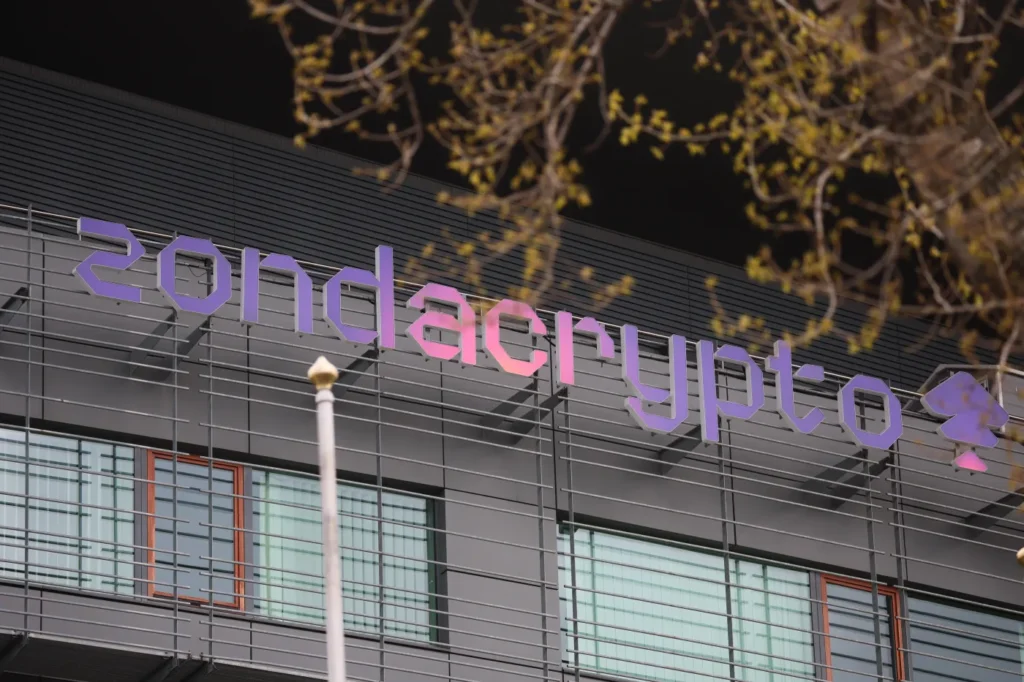
A probe into the cryptocurrency exchange Zondacrypto, involving potential losses of hundreds of millions of złoty and tens of thousands of investors, has faced immediate setbacks.
Initial Investigation Halted
The investigation into the activities of cryptocurrency exchange Zondacrypto encountered serious difficulties from the outset. The proceedings, concerning losses potentially reaching hundreds of millions of złoty and impacting tens of thousands of investors, were paralyzed almost immediately after its formal commencement.
A key prosecutor withdrew from the case after just one day, and authorities have yet to conduct basic evidence-gathering procedures.
Investigation Launched in April
The decision to launch the investigation was made in mid-April, with Justice Minister Waldemar Żurek announcing that the Regional Prosecutor’s Office in Katowice was investigating suspected fraud and money laundering related to Zondacrypto’s operations. The scale of the case is significant – estimates suggest around 30,000 affected parties and losses of at least 350 million złoty.
Delayed Action Raises Concerns
Despite the gravity of the situation, law enforcement actions have been conducted in a manner raising serious doubts. The Central Bureau of Cybercrime is on standby, but – according to findings – has not received formal instructions to conduct searches or secure documentation at the company’s offices in Katowice and Krakow. Without a prosecutor’s decision, they cannot take independent action.
Lack of Initial Investigative Steps
In practice, this means that for several days after the proceedings began, no basic investigative steps were taken, which are crucial in similar economic cases for securing evidence.
Prosecutorial Conflict of Interest
One of the main reasons for the paralysis of the proceedings is the staffing situation within the prosecutor’s office. At the beginning of the investigation, its conduct was entrusted to prosecutor Sławomir Sol, from the District Prosecutor’s Office in Gliwice, recognized as a specialist in cybercrime and financial crimes.
However, a problem arose because he was not consulted before the decision was made. It turned out that prosecutor Sol had previously collaborated with Zondacrypto and its employees in other proceedings, including those related to securing funds derived from crime placed in cryptocurrencies. Such a relationship could have created a serious conflict of interest.
Prosecutor Recuses Himself
Consequently, almost immediately after being assigned the case, the prosecutor submitted a request for recusal. The request was granted, and the investigation remained without an actual leader.
Potential Evidence Tampering
The situation is particularly worrying in the context of information coming from company employees. According to reports from individuals associated with the firm, some employees were deleting data from computers and phones – both on the orders of superiors and on their own initiative.
From a criminal procedure perspective, delays in securing electronic equipment can be crucial. In cases involving financial and cybercrime, digital data – logs, correspondence, and transaction history – constitute the primary evidence.
Additionally, employees were reportedly informed that they could retain company devices. In many cases, these were previously restored to factory settings. Only later did a decision come to secure them by the prosecutor’s office – however, by then some data may have been irretrievably lost.
New Prosecutor Assigned
After Prosecutor Sol’s recusal, the case was transferred to another investigator – Leszek Sroca from the Regional Prosecutor’s Office in Katowice. This decision was an emergency measure, and the prosecutor was brought in to lead the proceedings during his vacation.
According to findings, it was not clear on the day he took over the case whether he had initiated any operational activities. Meanwhile, police officers from the CBZC were still awaiting formal instructions, without which they could not begin operations in the field.
Lack of Coordination Hinders Progress
The lack of coordination between the prosecutor’s office and law enforcement agencies led to a situation where the investigation into hundreds of millions of złoty in losses remained effectively suspended for several days.
Background: Zondacrypto and Previous Concerns
Problems at Zondacrypto surfaced in early April when clients began reporting an inability to withdraw funds. The company’s president, Przemysław Kral, stated that he had no access to approximately 4,500 bitcoins, worth over one billion złoty. He did not provide evidence confirming that these funds were at the company’s disposal.
Since mid-April, Kral has not publicly commented on the matter, further increasing uncertainty among clients and investors.
It is worth noting that Zondacrypto is the successor to the BitBay exchange, founded by Sylwester Suszek. The entrepreneur disappeared in 2022 and has not been found to this day. The investigation into this case is also being conducted in Katowice, and its threads include complex business structures extending to several countries, including Estonia, Malta, Cyprus, and Switzerland.
Political Reactions and Pressure for Explanation
The Zondacrypto case quickly became a political issue. Prime Minister Donald Tusk spoke in the Sejm about the “malicious roots” of the affair, suggesting connections that may extend beyond standard economic crime.
Financial market experts emphasize that the Zondacrypto case fits into a broader problem of regulating the cryptocurrency market in Europe. While the EU MiCA regulation is intended to streamline this sector, its implementation is still ongoing, and many entities have operated thus far in conditions of limited supervision.
Additionally, the Financial Supervision Commission had previously warned against the risks of investing in cryptocurrencies and pointed to the lack of guarantees for protecting customer funds in the event of platform bankruptcy.