


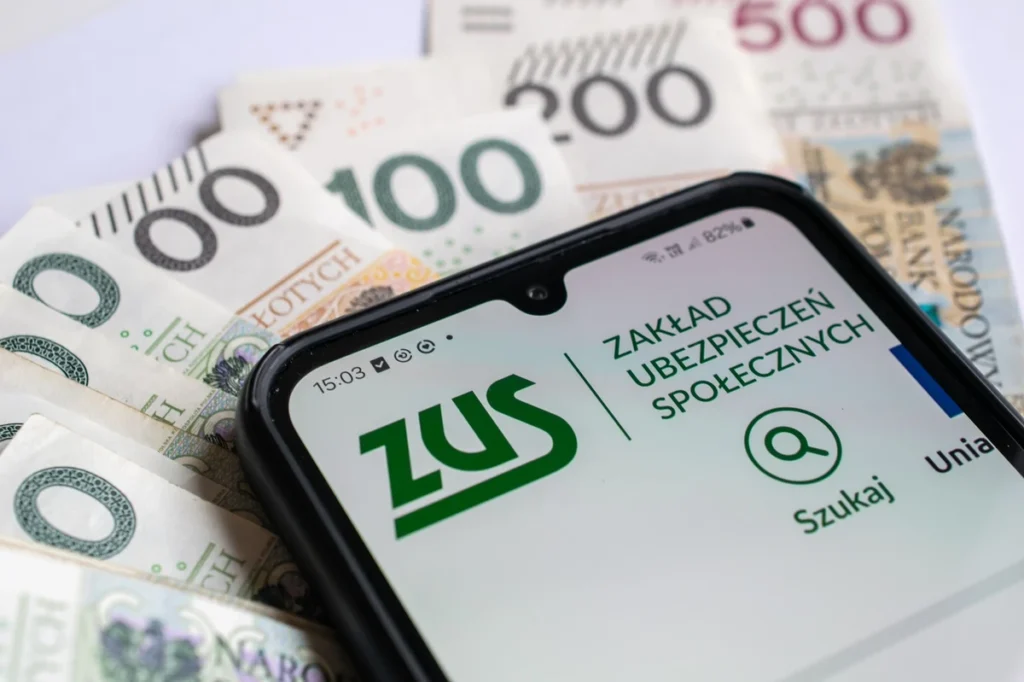
Polish pensioners can increase their retirement benefits by submitting employment proof from past periods when ZUS only used minimum wage calculations.
Pension Recalculation Process
Following the 1999 reform, insured individuals must prove their employment periods and salaries from past years. Gaps in documentation often meant ZUS used minimum wage for calculations.
Pension recalculation involves re-determining its amount based on new evidence, primarily concerning earnings and contribution periods. Documents confirming higher salaries than those originally accepted by ZUS are most significant.
Key Documents for Increasing Pensions
It is crucial that if ZUS lacked salary data for a specific period, it applied the minimum wage applicable at that time. Any proof of higher earnings can lead to a permanent increase in benefits.
For individuals born after December 31, 1948, who worked before 1999, the initial capital is particularly important. This represents the reconstructed value of contributions before the pension reform. If established based on incomplete data, the benefit may be undervalued.
ERP-7 Certificate Requirements
The ERP-7 (Rp-7) certificate is issued by the employer or their legal successor. This document must contain specific information to be accepted by ZUS.
Without proper documentation, ZUS may refuse to include a given period or apply minimum wage, resulting in lower pensions than deserved.
Potential Increase Amounts
There is no single guaranteed increase amount, as everything depends on individual circumstances – work history, salary levels, and the years to which the new documents refer.
Based on practice and data provided by ZUS, pension increases can range from several dozen to several hundred zł monthly, with some cases seeing increases of up to 600 zł.
Application Process
Recalculation does not occur automatically. An application must be submitted – at a ZUS branch or electronically through the ZUS PUE portal. Commonly used forms include specific applications for pension recalculation.
The application should include documents confirming new circumstances. Decisions are typically issued within 30 days of clarifying the last significant matter in the case. The increase applies from the month the application was submitted, so delays can result in actual losses.
Handling Missing Documents
Lack of documents from past work is a common problem. In such situations, it is advisable to search in archives, contact the legal successor of the employer, or check payroll documentation.
The absence of documents does not always prevent proving employment, but it requires greater determination and time.
When Recalculation Won’t Increase Pensions
Not every application results in an increase. Only those presenting new, significant evidence will benefit. There will be no increase if no new documents appear, the benefit has already been recalculated recently on the same grounds, or the minimum pension results from a statutory guarantee without additional contribution periods.
Pension Recalculation in 2026
Seniors frequently ask questions about pension recalculation for 2026, focusing on changes in legislation and calculation methods.