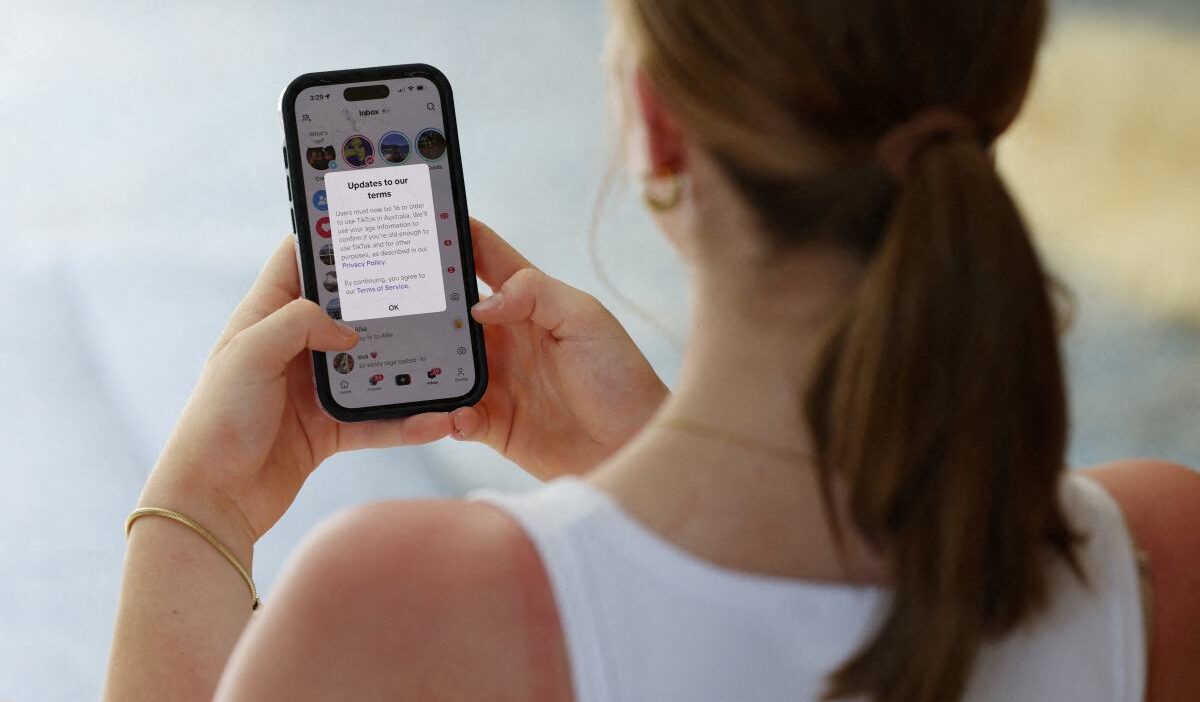
Australia has outlawed social‑media use for anyone under 16 as of December 10, sparking criticism in Germany, where lawmakers and educators argue age‑based restrictions alone won’t protect youth.
Australia’s New Social‑Media Ban
The ban has been in force since Wednesday, 10 December. Children and teenagers under 16 are prohibited from using social‑media. Under this rule, kids cannot own personal accounts on major platforms such as TikTok, Snapchat, YouTube, Facebook or Instagram.
Restricted Platforms and Their Scope
The measure targets accounts on large platforms, forbidding personal access. The goal is to shield young users from risks linked to social‑media.
German Opposition from Students and Educators
Students in Germany criticize the regulation as an inappropriate solution. Quentin Gaertner of the All‑German Student Conference says the first step cannot be a ban, but education to give young people skills. He stresses the need for clear guidance on appropriate media behaviour and argues a blanket restriction based on age will not solve the problem.
The Debate Over Age‑Based Limits
German government officials have called for age limits and protective mechanisms. Justice Minister Stefanie Hubig said clear, effective age boundaries would protect privacy and support healthy development. A committee set up by the family minister in September will produce recommendations by 2026, covering possible age limits and a debated ban on phones in schools.
Broader International Discussions
The European Parliament recently adopted a proposal for a minimum EU age, though it lacks binding force. Denmark has agreed on a national age limit of 15 for access to certain platforms. Germany has no statutory minimum age; parents would need to give consent for users under 16, but verification is rarely enforced and birth dates can be falsified.